
High-volume digital tethering tempts commercial photographers to dump several hundred frames into proofing sets under the guise of transparency. Art directors, brand managers, and agency producers rarely possess the time to audit subtle focus falls or micro-adjustments in finger placement across 20 identical bursts. What looks like comprehensive coverage quickly turns into review fatigue, stalling milestone approvals.
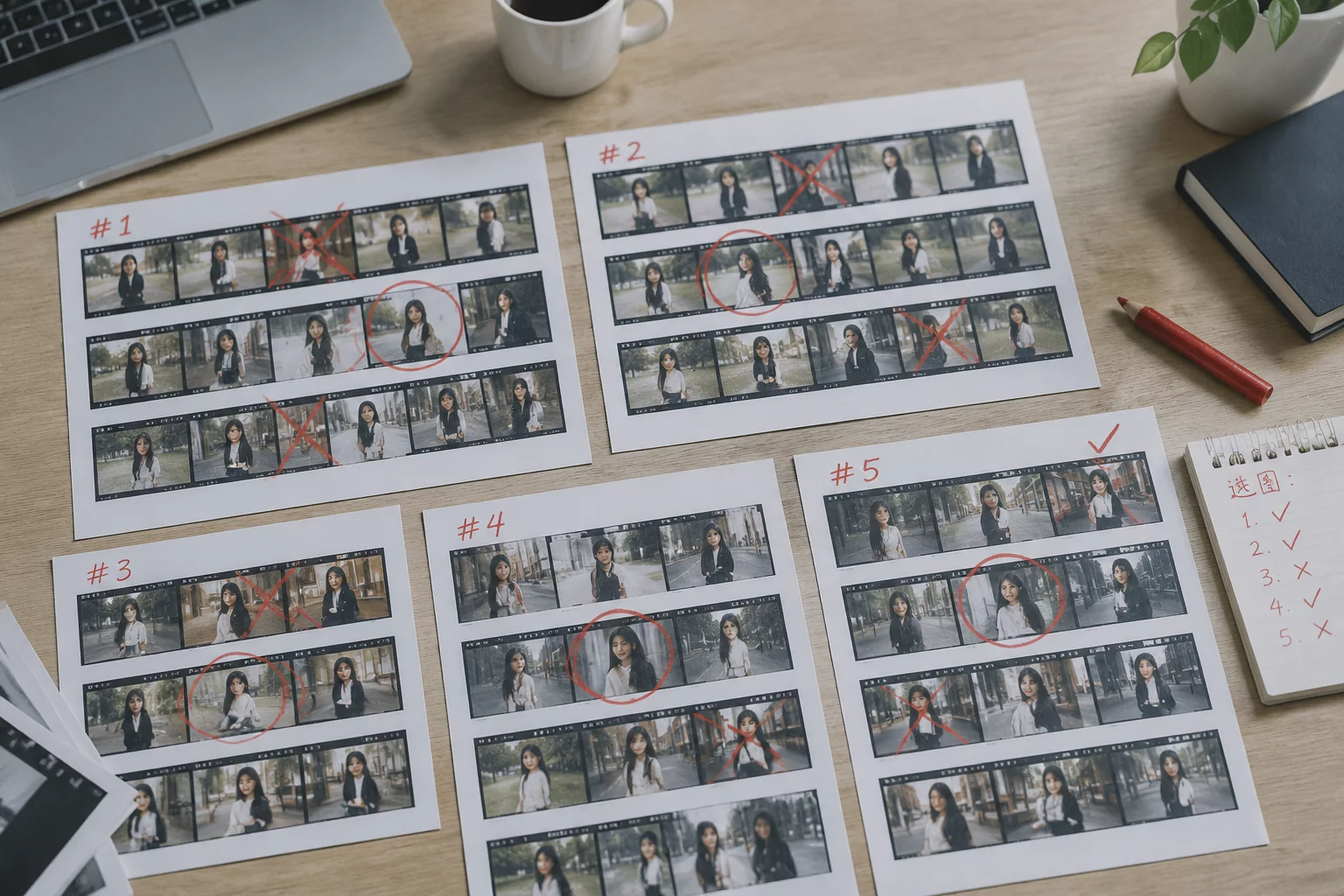
A professional commercial review set operates as an editorial proposition rather than a raw camera backup. Every image forwarded to stakeholders must survive strict triage gates, isolating one undisputed primary anchor per shot setup and offering at most two deliberate alternatives. This approach honors the client's decision-making capacity and establishes authoritative creative direction from the first delivery round.
Review Set Architecture Principles
- Primary Select Ratio
- 1 Primary Frame per Scene / Setup
- Variant Tier
- Maximum 2 Alternative Angles or Expressions
- Elimination Threshold
- Sub-critical focus and micro-blinks purged on Pass 1
- Delivery Volume
- 30 to 45 total images for standard campaign approvals
To shield commercial stakeholders from micro-evaluations, we execute three discrete gating passes before generating an external gallery or export batch:
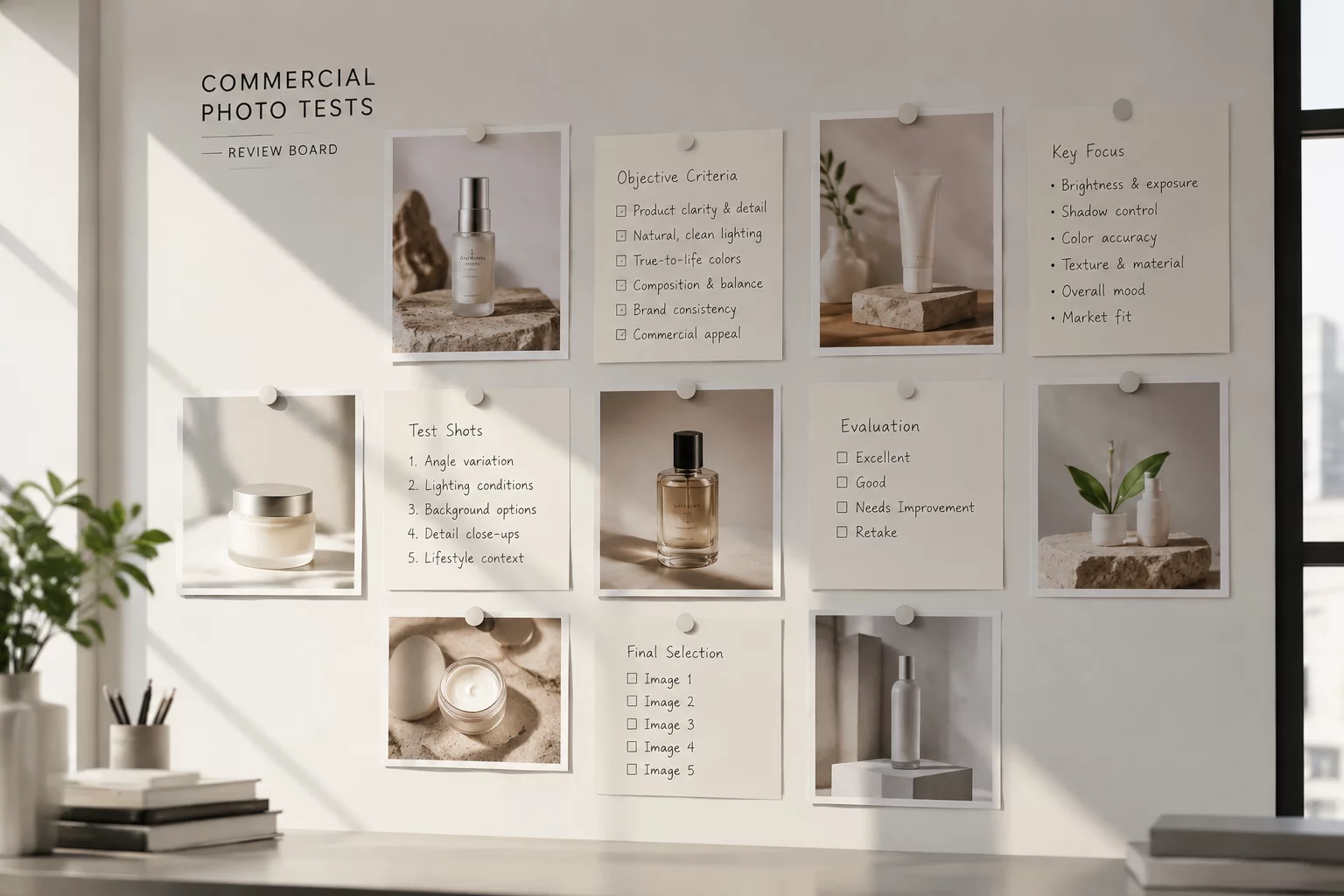
- Technical Pass: Zero tolerance for missed iris focus, edge chromatic aberration, or shutter vibration softness.
- Expression & Gesture Filter: Systematic culling of awkward transitional grimaces, half-blinks, and tense collarbones.
- Variant Consolidation: Clustering near-identical frames into trios, designating one clear Anchor and two secondary options.
When brand stakeholders receive tightly clustered anchor-and-variant trios, their review duration drops by more than 60 percent while feedback specificity increases dramatically.
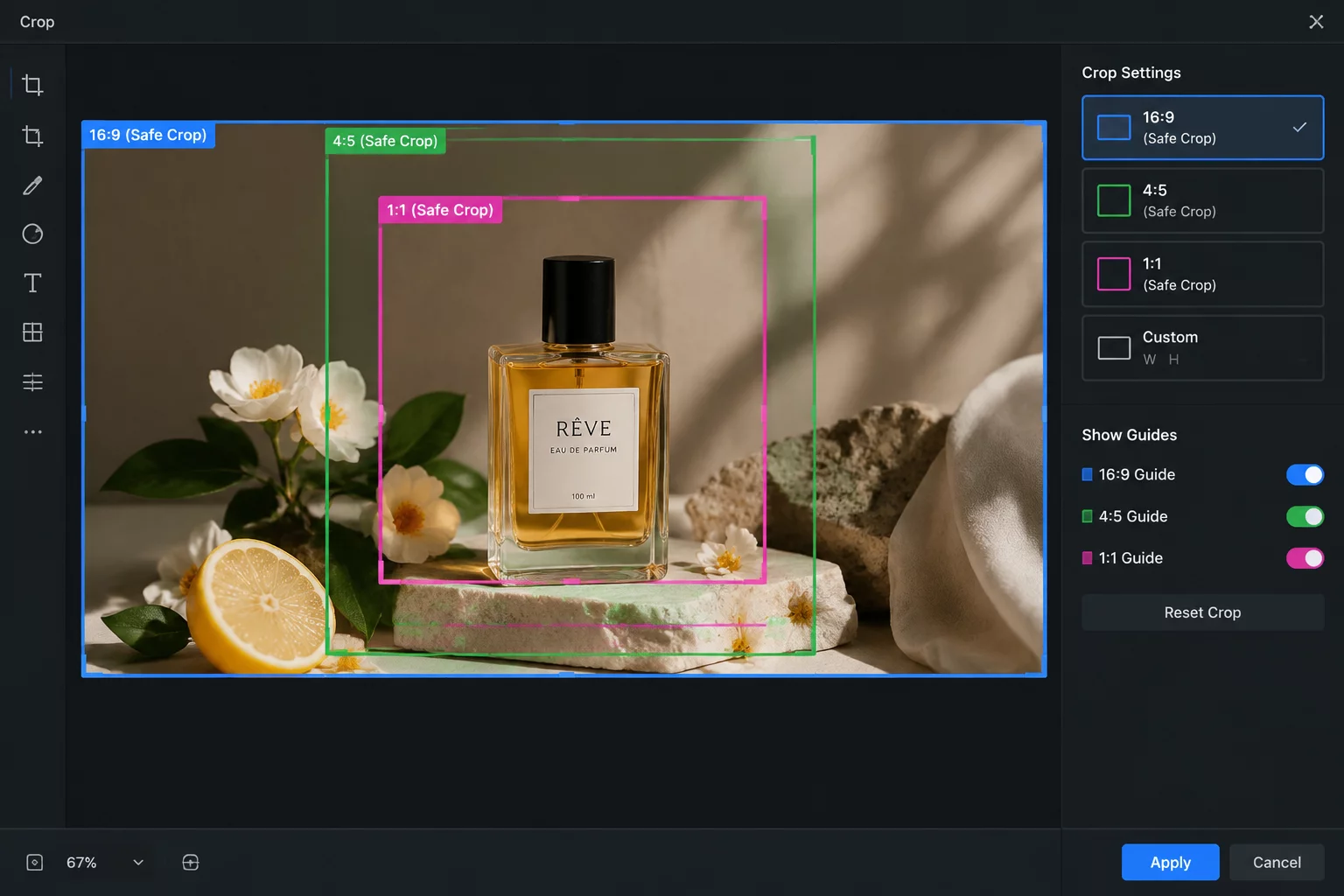
Linear capture feeds force brand reviewers to cross-reference shots captured hours apart. We group images by setup, designating the single strongest capture as the primary Anchor while tagging secondary options as Option B and Option C. Each variant must present a functional difference, such as negative space for typography, a contrasting gaze angle, or an alternate product orientation.
This taxonomy prevents circular debates inside the client review committee. If the lead art director prefers the primary Anchor, the secondary variants are archived immediately without further debate, streamlining the handoff to color grading and retouching.
Apply these selection questions in your workspace: Selection Passes and Variants in Capture One.
Capture One Selection Passes Guide
Review our end-to-end guide on configuring smart albums, color tags, and variant sets to assemble client-ready shortlists in Capture One.
Structuring First Round Proofing Galleries for Brands
Narrowing 500 Editorial Frames Down to 12 Hero Selects
Handling Ambiguous Client Rejection Criteria Systematically
No field notes yet. Be the first to leave a comment.