Systematic Triage Framework Manual Human Review

Separate Selection Questions into Clear Passes

Explore culling cases where focus, expression, duplication, framing, and client needs should not all be judged at once.

AUDIT PIPELINE // PASS INSPECTOR
0% SYNTHETIC AI
[STAGE: TECHNICAL FOCUS] AUDIT GATE

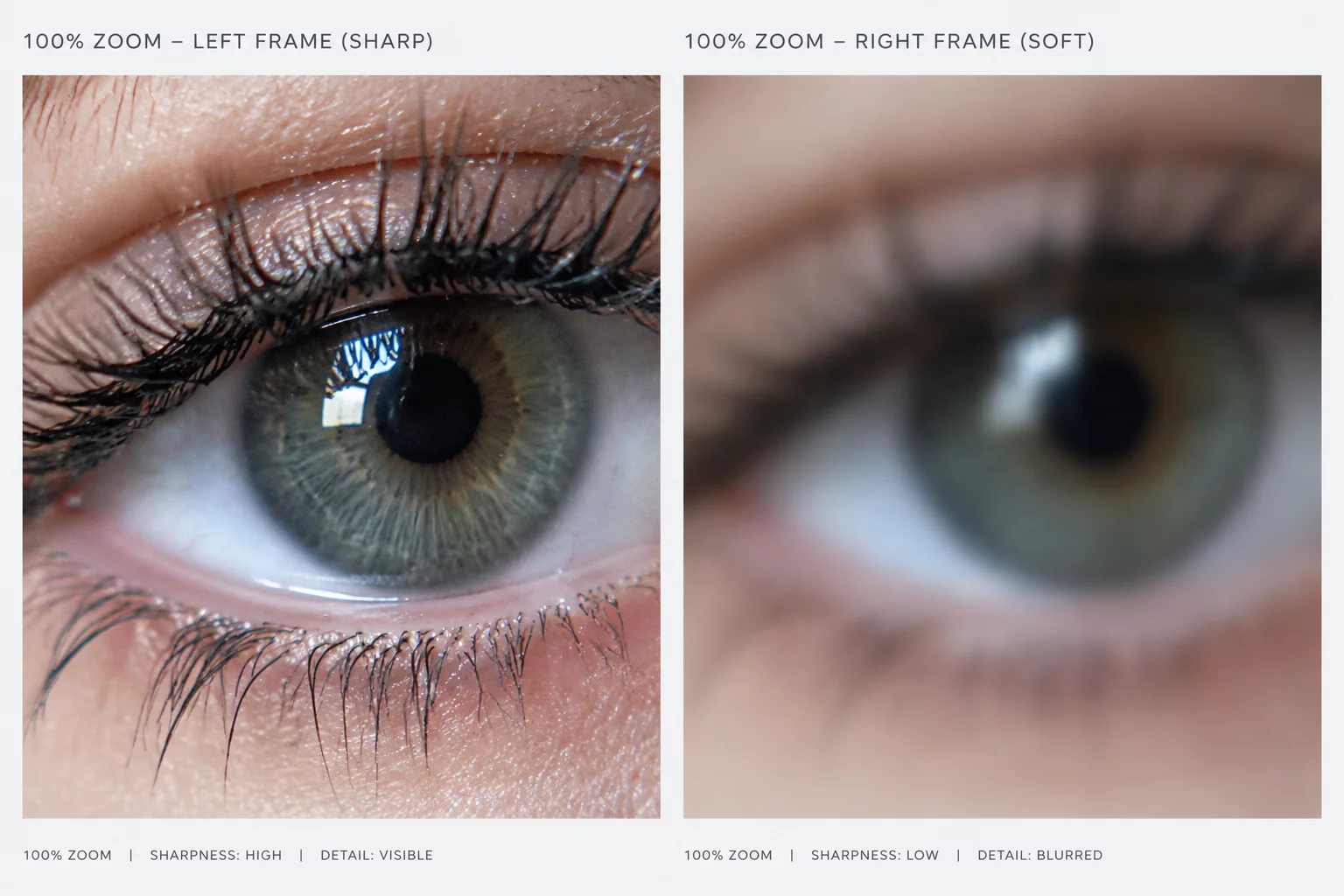
Critical 100% Loupe Sharpness Audit

Filter out subtle subject motion blur and missed focal planes before evaluating facial emotion or body silhouette.

Manual Focus Check Shutter Drag Rejection
SELECTION DIRECTIVE RULE 01

Decouple Focus From Subjective Appeal

Judging technical sharpness alongside facial nuance causes cognitive fatigue. Enforce isolated inspection passes before building client shortlists.

Multi-Stage Culling Framework

Six-Stage Selection Pipeline

Progressive triage architecture engineered to eliminate visual fatigue, isolate critical sharpness, and extract pristine hero deliverables.

Read Sequence Overview
Stage 01 • IngestionVolume Baseline: 100% of Raw Captures

All Captures: Catalog Ingestion & Session Audit

The foundational ingestion phase establishes absolute file integrity before culling begins. Raw assets are imported, backup redundancy verified, and basic capture metadata validated without subjective sorting or premature frame deletion.

Primary Checkpoint

Checksum verification, dual drive mirrored storage, and capture time sync across camera bodies.

Session Hierarchy

Standardized folder tagging by roll, lighting setup, commercial scene, and sequence chronology.

Triage Stage Rules

  • Operator Mode:Passive Inventory
  • Tagging Action:Zero Rating Default
  • Rejection Rule:Corrupt Files Only
  • Typical Retention:100% Ingested
Zero ratings prevent subjective evaluation prior to standardized ambient monitor calibration.
Stage 02 • Precision AuditVolume Reduction: ~40% Culled

Technical Pass: Critical Focus & Motion Blur Gate

A cold, analytical pass focused solely on objective technical thresholds. Images are inspected at 100% zoom on critical focal zones (eyes, typography, edges). Expressive merit is intentionally ignored to weed out unrecoverable defects.

Focal Plane Precision

Immediate red-flag rejection for front/back focus anomalies and optical motion smear.

Exposure & Clipping

Verification of highlight retention in skin tones and shadow dynamic range recovery limits.

Triage Stage Rules

  • Operator Mode:Binary Loupe Audit
  • Tagging Action:Red Tag Rejection
  • Rejection Rule:Soft Iris / Shutter Shake
  • Typical Retention:55% - 65% Retained
Loupe magnification must stay anchored to target pupil coordinates across consecutive burst frames.
Stage 03 • Expressive TriageVolume Reduction: ~30% Narrowed

Expression & Moment Pass: Micro-Timing Curation

Conducted at full-screen preview size to evaluate visual emotion, posture tension, eye contact clarity, and kinetic peak action. Identifies authentic human moments while weeding out micro-blinks and awkward mouth transitions.

Eye Aperture & Gaze

Separating natural lower gaze from accidental half-closed blinks and wandering pupil focus.

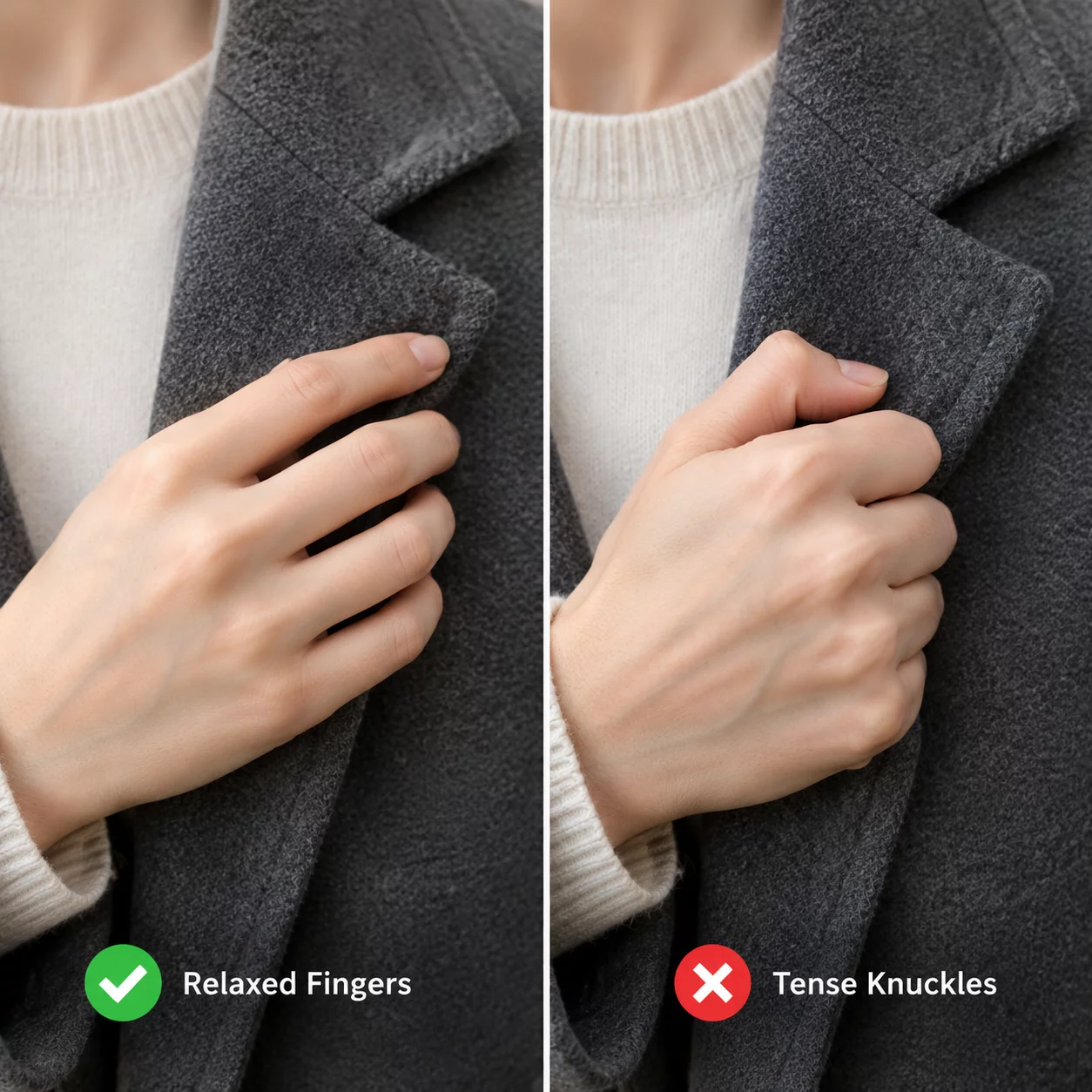
Anatomical Tension

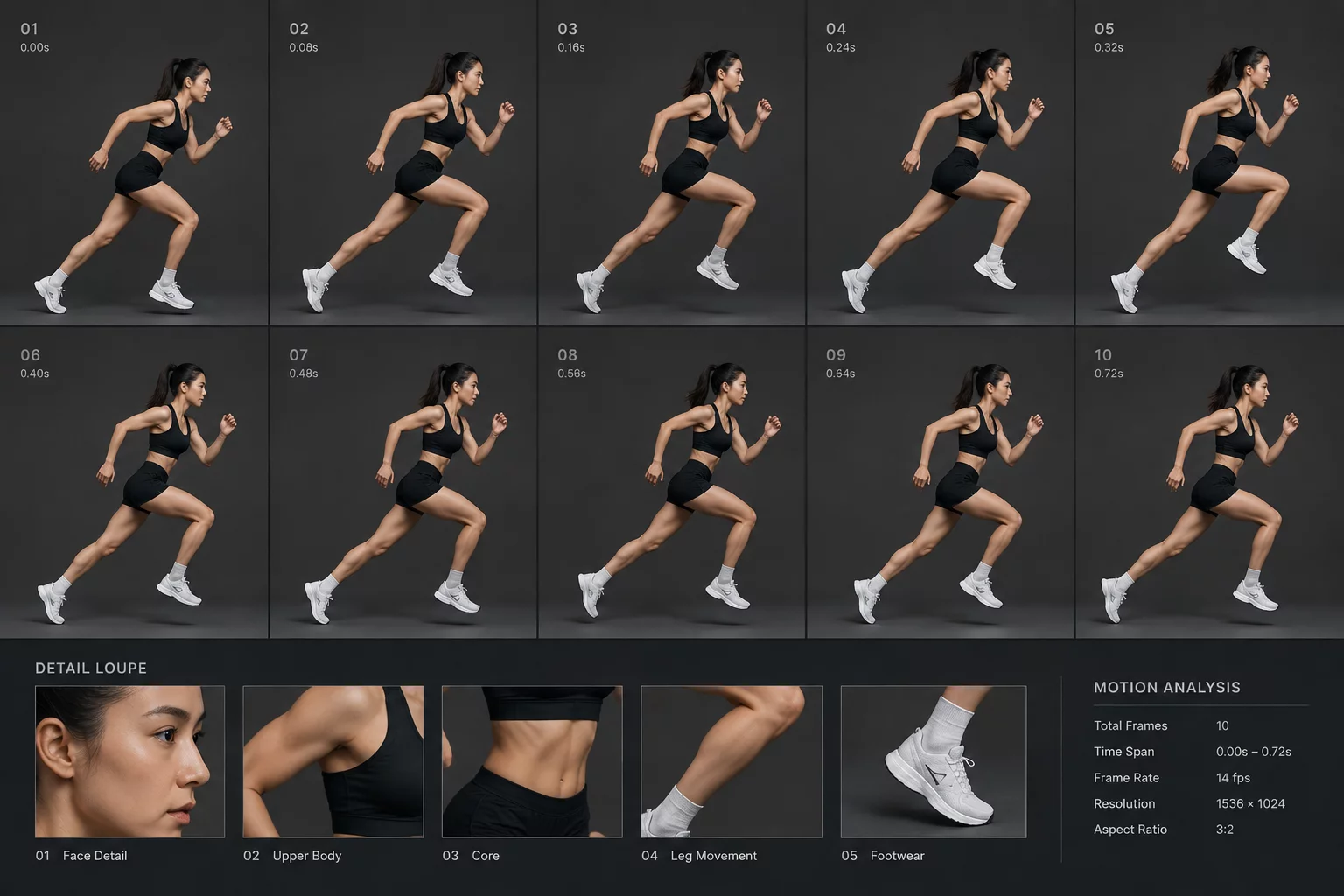
Evaluating relaxed hand placement, chin elevation balance, and stride fluidness in dynamic editorial.

Triage Stage Rules

  • Operator Mode:Full Frame Rhythm
  • Tagging Action:Yellow Flag Candidate
  • Rejection Rule:Mid-Speech • Awkward Pose
  • Typical Retention:25% - 35% Retained
Rapid continuous scrolling cadence prevents subjective paralysis during human expression audits.
Stage 04 • Side-by-SideVariant Elimination: 1 Primary per Set

Similar-Frame Comparison: Dual-Variant Elimination

Close duplicates from burst releases and bracketed takes are paired side-by-side in split comparison mode. Editors eliminate near-identical duplicates, selecting the single superior frame that delivers maximum graphic authority.

Head-to-Head Duel

Pinning a baseline keeper against challenger frames until one clearly wins on light, pose, and geometry.

Secondary Alternative Tagging

Preserving exactly one secondary alternative variant for multi-angle client review packages.

Triage Stage Rules

  • Operator Mode:Split Viewer (1:1)
  • Tagging Action:3-Star Variant Rank
  • Rejection Rule:Redundant Variations
  • Typical Retention:10% - 15% Retained
Locking synchronized zoom and pan between variants reveals micro-differences in eye catchlights.
Stage 05 • Proofing GateClient-Ready Set: 30 – 60 Selects

Shortlist: Narrative Balance & Proofing Pool

The shortlist consolidates the strongest candidates across all scenes into a balanced, cohesive proofing collection. Verifies narrative pacing, wide-to-tight variety, and multi-channel crop flexibility before client presentation.

Coverage Balance Audit

Ensures no single setup or look is over-represented at the expense of comprehensive campaign breadth.

Format Crop Feasibility

Confirming crop margins satisfy 16:9 editorial banners, 4:5 social assets, and 1:1 feeds.

Triage Stage Rules

  • Operator Mode:Contact Grid Overview
  • Tagging Action:Green Tag + 4-Star
  • Rejection Rule:Narrative Disconnect
  • Typical Retention:4% - 8% Retained
Contact sheet grid previews simulate the commercial client review experience accurately.
Stage 06 • Archival DeliveryHero Final Output: 100% Target Met

Final Selection: Confirm Hero Frames & Record Decisions

The definitive curation tier approved for final high-end color grading, retouching pipeline handoff, and long-term archival. Includes comprehensive IPTC metadata stamping, client contract keywords, and standardized deliverables.

Client Sign-off Locking

Permanent 5-star locking to prevent accidental overrides during multi-editor catalog synchronization.

IPTC & Archival Rigor

Automated export naming syntax, rights management tokens, and high-resolution master backup.

Triage Stage Rules

  • Operator Mode:Retouch Handoff
  • Tagging Action:5-Star Locked Archive
  • Rejection Rule:Non-Hero Variants
  • Typical Retention:1% - 3% Master Files
Master archives receive permanent read-only locks with complete variant adjustment layers.
Methodology Protocol Rule

No capture advances to subsequent passes without satisfying all gate criteria of the preceding tier. Linear triage eliminates cognitive fatigue and decision drift.

Calibrated dual-display evaluation workstation and physical selection desk
Station 01 • 5000K Lab
PHYSICAL EVALUATION SUITE

CALIBRATED MULTI-PASS SORTING DESK

High-volume image sorting demands an audit environment completely free from algorithmic approximation and ambient lighting shift. Our evaluation workstation pairs hardware-calibrated dual displays with physical keypads to inspect every raw exposure at native pixel acuity.

HUMAN-DRIVEN TRIAGE AT 100% ZOOM CRITICAL RESOLUTION

  • Standardized 5000K Bias Environment: Continuous daylight balance prevents optical drift and pupil exhaustion during extensive culling sessions.
  • Side-by-Side Dual Display Alignment: Instantaneous inspection compares critical ocular sharpness against contextual scene rhythm in locked synchrony.
  • Zero Automated Shortcuts: Every keeper frame is assessed against deliberate client benchmarks rather than predictive scoring bots.

By isolating technical rejection passes from narrative expression reviews, our selection protocol converts sprawling shoot archives into definitive, publication-ready proof collections.

OUTCOME-FOCUSED FRAMEWORK

FIVE CORE TRIAGE ADVANTAGES

01 / 05
SPEED & PRECISION

DECISIVE CULLING CONFIDENCE

Eliminate hesitation when sorting dense bursts. Stage-isolated evaluation metrics free your attention so technical rejections never contaminate expression assessments.

02 / 05
COGNITIVE CLARITY

PRESERVED CREATIVE ENERGY

Protect your critical aesthetic judgment by delegating technical audit passes to dedicated sorting passes, preventing decision fatigue across catalog sessions.

03 / 05
PRESENTATION RIGOR

PRISTINE CLIENT PROOF SHEETS

Deliver coherent, tightly edited contact sets that showcase intentional variations instead of flooding art directors with unranked, raw candidate captures.

04 / 05
FRAME INTEGRITY

ZERO ACCIDENTAL FRAME DISCARDS

Tiered metadata tagging creates defensive barriers against premature deletions, ensuring overlooked secondary angles remain recoverable throughout production.

05 / 05
INDEX COHESION

STANDARDIZED ARCHIVE TAXONOMY

Implement uniform color flag and star hierarchies across all sessions so studio assistants, retouchers, and catalog managers work in seamless harmony.

Methodology Comparison

Structured Multi-Pass Triage vs Gut-Reaction Culling

Compare systematic multi-stage decision gates against single-pass rapid deletion. Eliminate subjective decision strain, missed sharpness anomalies, and client revisions.

Evaluation Parameter
SelectPass Multi-Stage Pipeline
Typical Gut-Reaction Culling
Gate 01

Criteria Separation

Isolation of mechanical variables from stylistic, gestural, and editorial parameters.

Dedicated Passes
Strict Independent Evaluation

Technical defects (missed focal plane, motion blur, clipping) are audited first at 100% zoom before expression or storytelling merits enter consideration.

Conflated Metrics
Cognitive Overload

Editor simultaneously attempts to gauge facial emotion, hand tension, and pin-sharp focus in a single half-second glance, leading to flawed keeps.

Gate 02

Eye Fatigue Handling

Visual acuity management across high-volume sessions exceeding 1,500 captures.

Staged Thresholds
Targeted Micro-Sessions

Rapid binary flags on the first pass eliminate 60% of noise with low cognitive load, reserving peak focus for subtle variant micro-expression pairs later.

Acuity Decay
Sensory Burnout

Decision quality degrades sharply after frame 400. Inconsistent standards develop between the beginning and the end of the same photoshoot folder.

Gate 03

Client-Specific Criteria

Alignment with art direction requirements, multi-format cropping, and brand usage tiers.

Structured Matrices
Brief-Anchored Shortlisting

Variant comparison specifically isolates safe safety shots from dynamic editorial poses, directly checking negative space for copy placement and campaign ratios.

Intuitive Guesswork
Personal Preference Drift

Curator prioritizes personal aesthetic favorites, omitting necessary commercial deliverables and horizontal alternatives needed by design teams.

Gate 04

Repeatability & Auditing

Consistency of culling outcome when replicated by assistant editors or studio teams.

Deterministic Rules
Standard Operating Protocol

Clear tag taxonomy (Pass 1 rejected, Pass 2 candidate, Pass 3 variant hero) creates an auditable archive where selections can be reviewed and validated at any tier.

Non-Reproducible
Arbitrary Outcomes

No two team members cull the same catalog identically. If a client requests alternate choices, the entire folder must be manually browsed from scratch.

DISCIPLINED SELECTION ARCHITECTURE

METHODOLOGY SCOPE & BOUNDARIES

COVERED IN NOTEBOOK

IN-SCOPE TAXONOMY

Disciplined triage protocols designed to eliminate cognitive fatigue and enforce reproducible criteria across every editing session.

  • Curation Taxonomies Standardized multi-tiered metadata tagging structures, color-flag hierarchies, and non-ambiguous rating semantics.
  • Pass Criteria Frameworks Isolated gatekeeper thresholds enforcing distinct technical passes before subjective evaluation of gesture and mood begins.
  • Comparative Review Rules Side-by-side critical focus auditing at 100% zoom, micro-expression differentiation, and synchronized contact-strip comparisons.
  • Variant Grouping Systems Rigorous burst-sequence clustering, alternate take containment, and rapid cull mechanisms to systematically preserve master picks.
EXCLUDED FROM SCOPE

OUT-OF-SCOPE OPERATIONS

Operational utilities, commercial services, and third-party commercial modules strictly separated from our editorial notebooks.

  • Preset Selling & LUT Bundles No commercial color-grading packages, creative styles, contrast formulas, or aesthetic visual filters for distribution.
  • Auto-Culling Plugins & AI Bots No proprietary algorithmic triage automation or automated black-box scoring tools that bypass human artistic intent.
  • Client Proofing Galleries No online proof delivery hosting, cloud client feedback portals, watermarked web viewer platforms, or digital download servers.
  • Photo Lab Printing & Press No print fulfillment management, ICC press profile conversions, fine-art paper handling, or physical laboratory liaison.

Capture One provides the third-party photography environment. SelectPass Notebook independently documents selection methodology and does not provide Capture One software, client galleries, presets, accounts, or official support.

Documented Triage Protocols

Featured Selection Cases

SIDE-BY-SIDE FRAME ANALYSIS

CRITICAL VARIANT COMPARISONS

Detailed inspection matrices documenting micro-adjustments, temporal shutter bursts, and facial micro-cues.

Ecosystem Notice

Independent Selection Framework & Boundary Notice

Capture One provides the third-party photography environment. SelectPass Notebook independently documents selection methodology and does not provide Capture One software, client galleries, presets, accounts, or official support.

Standalone field curation protocols and multi-pass workflow documentation
Zero commercial software distribution, license reselling, or account hosting