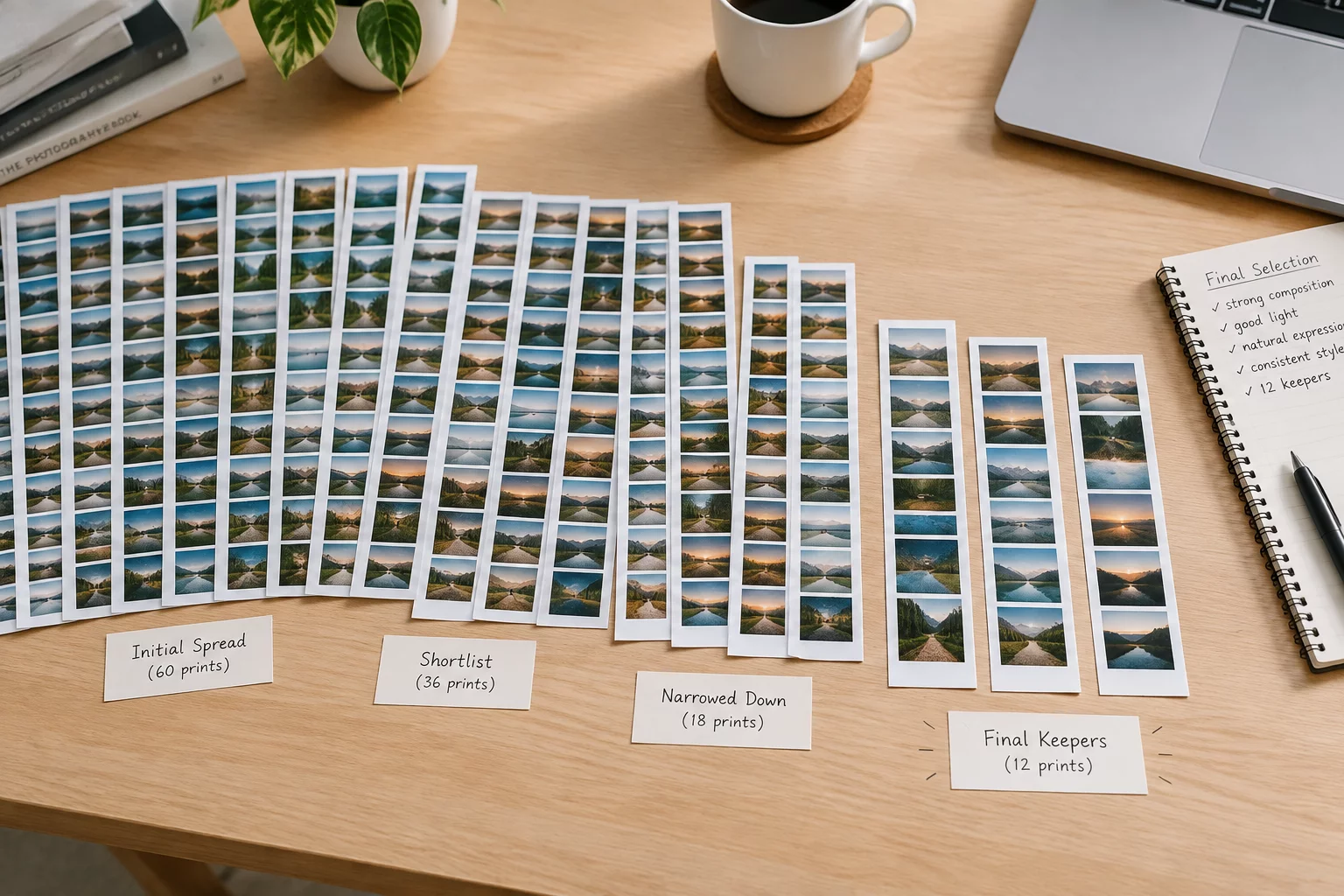
When reviewing a high-tempo editorial shoot containing roughly 500 raw frames, fatigue sets in if the editor attempts to judge emotional resonance or styling subtleties right away. The first sweep focuses exclusively on objective technical disqualifiers: severe shutter drag, missed focal plane on the lead subject's primary eye, and inadvertent strobe misfires.
Setting a baseline threshold removes roughly 40% to 50% of the shoot within fifteen minutes. Captures that pass this mechanical inspection receive a single green tag, isolating approximately 260 viable exposures for qualitative scrutiny without cluttering the review canvas.
Pass 01 Audit Metrics
- Ingest Volume
- 508 Raw Assets
- Disqualification Criteria
- Motion blur, missed focus, strobe recycle lag
- Pass 1 Yield
- 264 Verified Frames
- Inspection Mode
- 100% Loupe on Primary Eye Axis
With technically flawed frames excluded, the second pass analyzes human gesture, fabric behavior, and compositional balance. Editorial portraits live and die by micro-expressions: an awkward jaw clench, an unintended blink, or stiff shoulders can undermine an otherwise well-composed frame.
- Verify authentic eye engagement and eliminate mid-word mouth positions or micro-blinks across burst clusters.
- Inspect garment silhouette lines to catch unnatural bunching, collar twisting, or awkward seam tension during movement.
- Audit negative space distribution to ensure clean crop flexibility for editorial typography and print spreads.
By grouping rapid bursts into four-up contact clusters, the curator compares subtle frame-to-frame shifts. Only the single strongest gesture within each micro-burst survives, reducing the collection from 264 frames down to approximately 48 narrative candidates.
The final reduction from 48 semi-finalists to 12 hero selects is fundamentally an editorial sequencing exercise rather than an elimination contest. An editorial feature requires rhythmic variety: a dramatic wide establishing shot, medium environmental portraits, tight textural details, and full-length motion frames cannot compete for the same layout space.
Assigning each planned magazine spread a specific role ensures no two hero images replicate the same mood or framing. The resulting 12-image shortlist delivers a complete, cohesive visual narrative that client art directors can approve without requesting secondary variant proofs.
Apply these selection questions in your workspace: Selection Passes and Variants in Capture One.
Review the Core Capture One Selection Workflow
Discover the keyboard shortcuts, color flag taxonomies, and variant staging rules that power our repeatable selection protocols across high-volume commercial shoots.
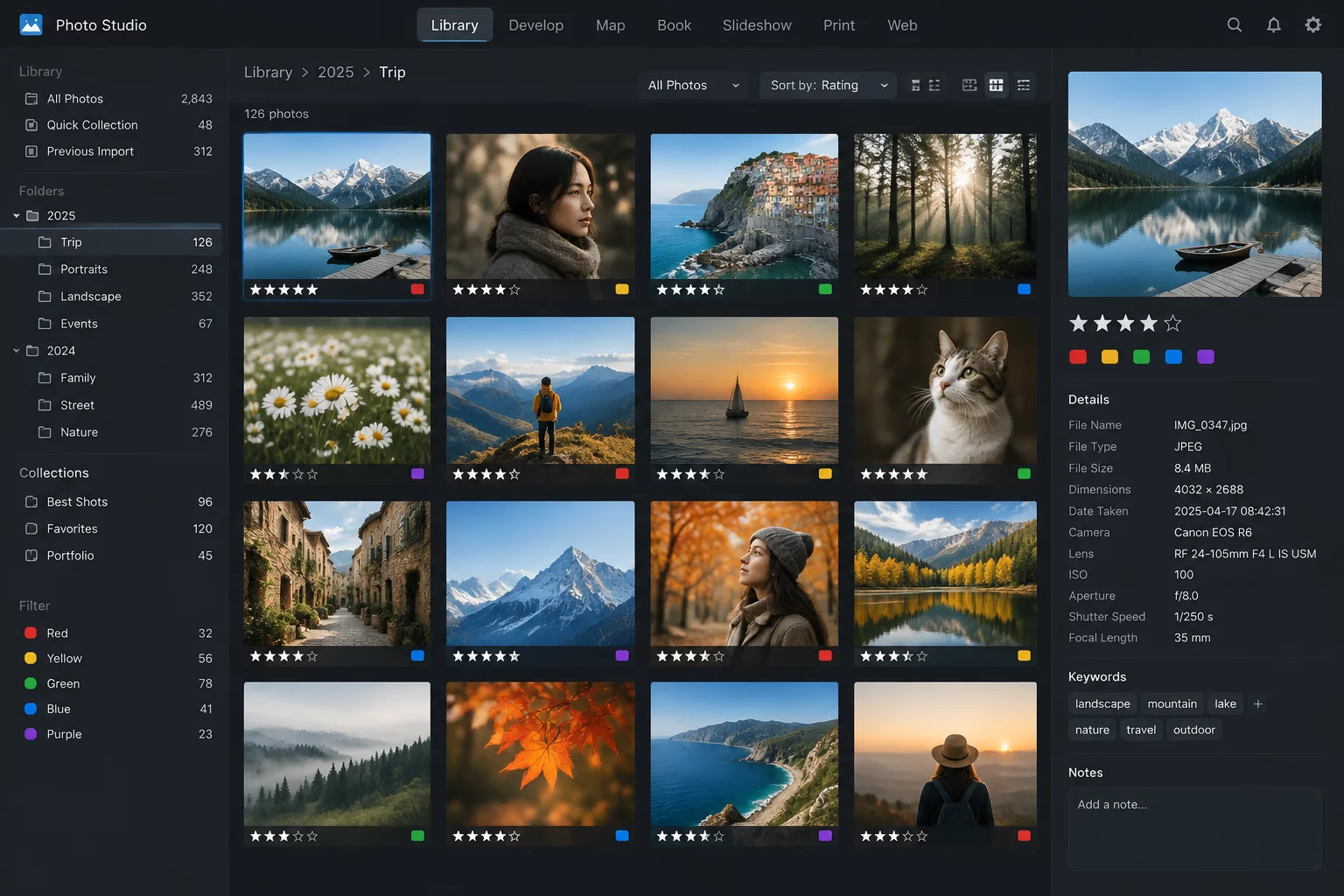
Structuring First Round Proofing Galleries for Brands
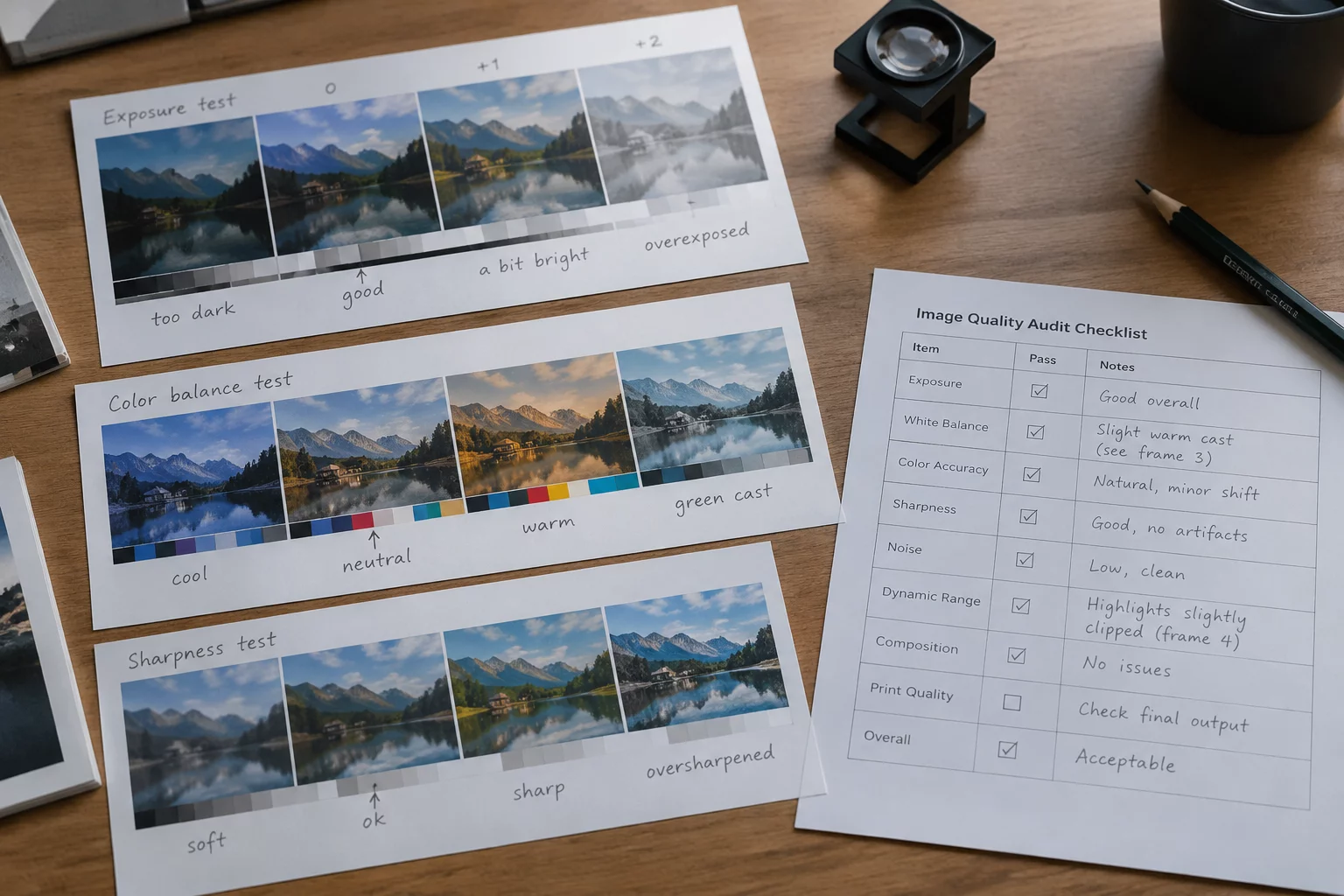
Handling Ambiguous Client Rejection Criteria Systematically
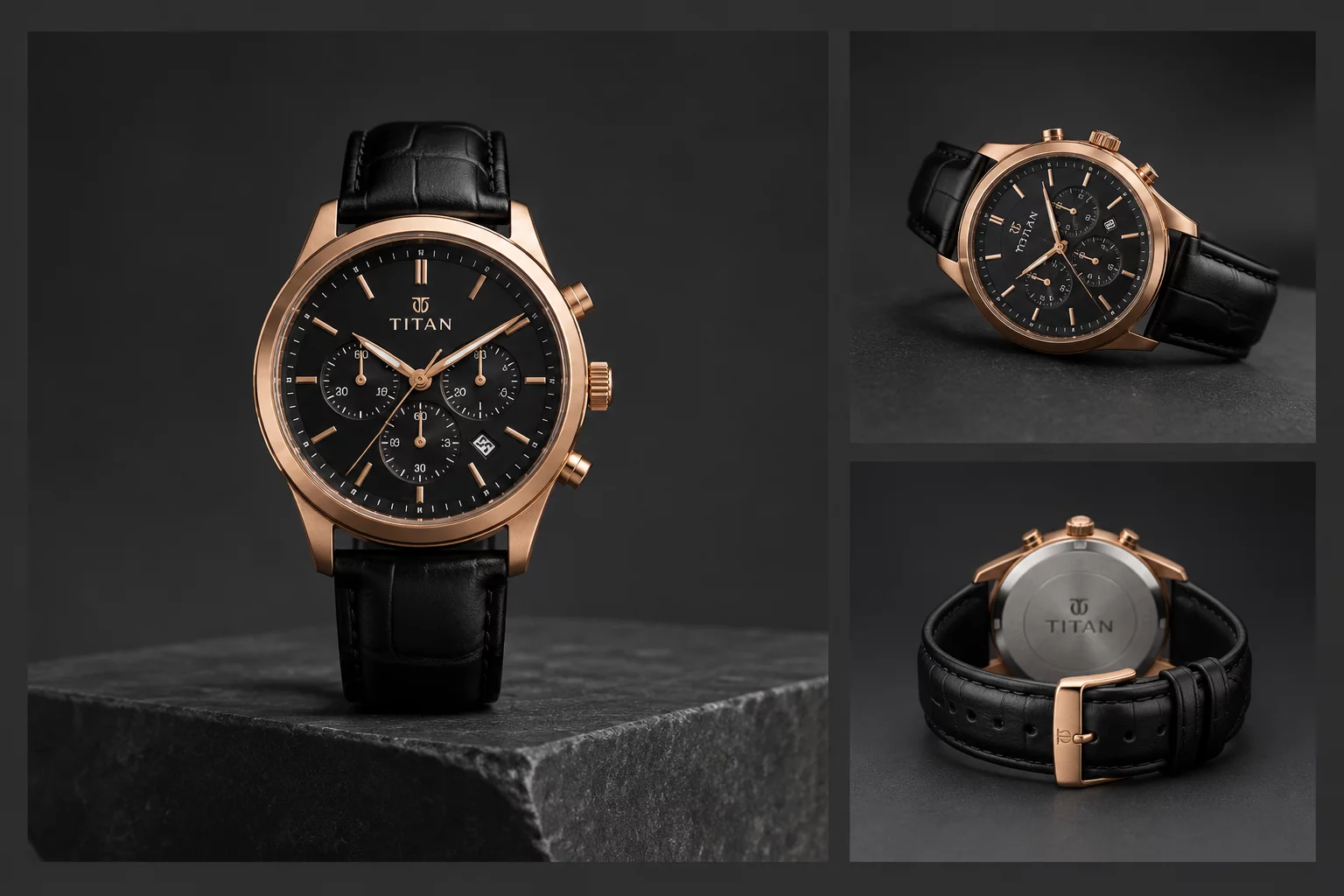
Building Non-Overwhelming Commercial Review Collections
No field notes yet. Be the first to leave a comment.