Brands rarely struggle with a lack of visual options during production review; they struggle with visual congestion. Flooding a client contact gallery with 60 slight variations of the exact same product setup triggers decision fatigue within minutes. Creative directors and brand managers lose their evaluative frame of reference, resulting in stalled approvals and contradictory feedback rounds.
By enforcing an uncompromised triage ceiling before the client ever logs in, you protect their focus. The primary deck presents strictly one hero angle alongside two distinct structural alternatives per scripted shot list requirement. Secondary variations remain sequestered in secondary sub-galleries, accessible only if a specific framing revision is requested.
Proofing Architecture Benchmarks
- Maximum Setup Exposure
- 3 curated candidates per storyboard scene
- Star Grading Boundary
- 3-Star reserved for delivery-ready alternates
- Grouping Taxonomy
- Shot number and hero crop aspect ratio
- Client Rejection Rate
- Under 6% when sub-galleries remain isolated
Chronological capture order reflects the logistical sequence of the studio day, not the mental model of a brand team. Marketing stakeholders review images according to campaign deliverables: e-commerce packaging hero shots, lifestyle social narratives, and vertical banner placements. Organizing galleries by chronological capture timestamps forces clients to piece together deliverables manually.
- Segregate vertical key visuals from horizontal landscape banners to prevent aspect ratio confusion.
- Standardize neutral exposure and color profile baselines across all presented frames.
- Embed strict binary approval buttons to prevent ambiguous neutral scoring across committees.
Aligning gallery folders directly with the client's creative deck enables brand managers to review shots against layout wireframes immediately. This alignment cuts turnaround delays by over 40% and clarifies the precise utility of each shortlisted variant.
When clients evaluate bursts displaying negligible micro-shifts in head angle or garment drape, review efficiency drops precipitously. The brain expends cognitive energy cross-comparing millisecond differences that hold zero bearing on brand performance. Studio leads must collapse burst sequences into single candidate representations before publishing review links.
Each published thumbnail represents a distinctly differentiated concept or composition. If a client requests a softer smile or altered gesture on an approved frame, the digital technician surfaces the nested burst stack specifically for that numbered asset rather than burdening the entire gallery with near-identical duplicates.
Apply these selection questions in your workspace: Selection Passes and Variants in Capture One.
Editorial Volume Funnel: 500 Frames to 12 Hero Selects
Review the step-by-step reduction protocol applied to high-volume editorial sessions without losing client alignment.
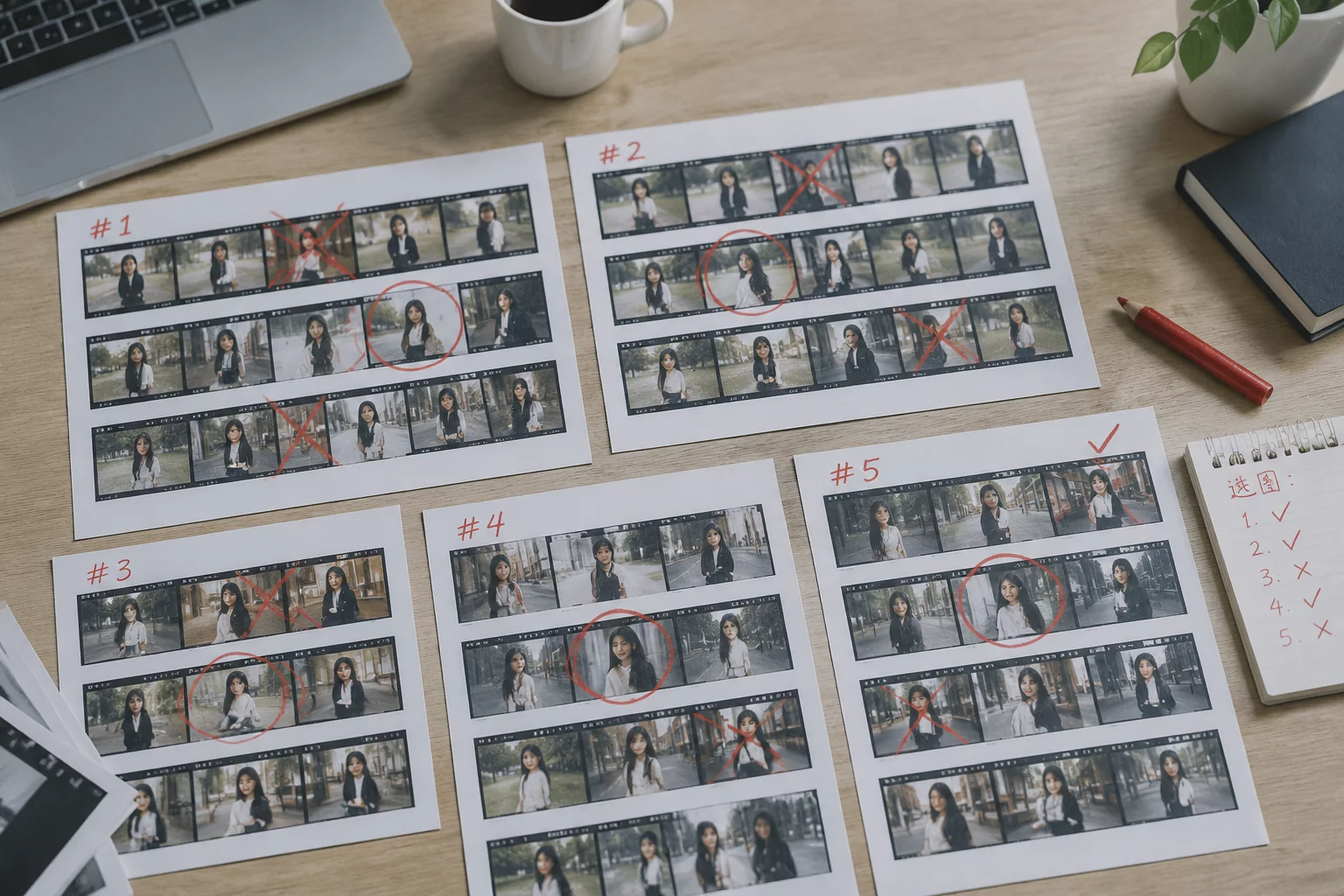
Narrowing 500 Editorial Frames Down to 12 Hero Selects
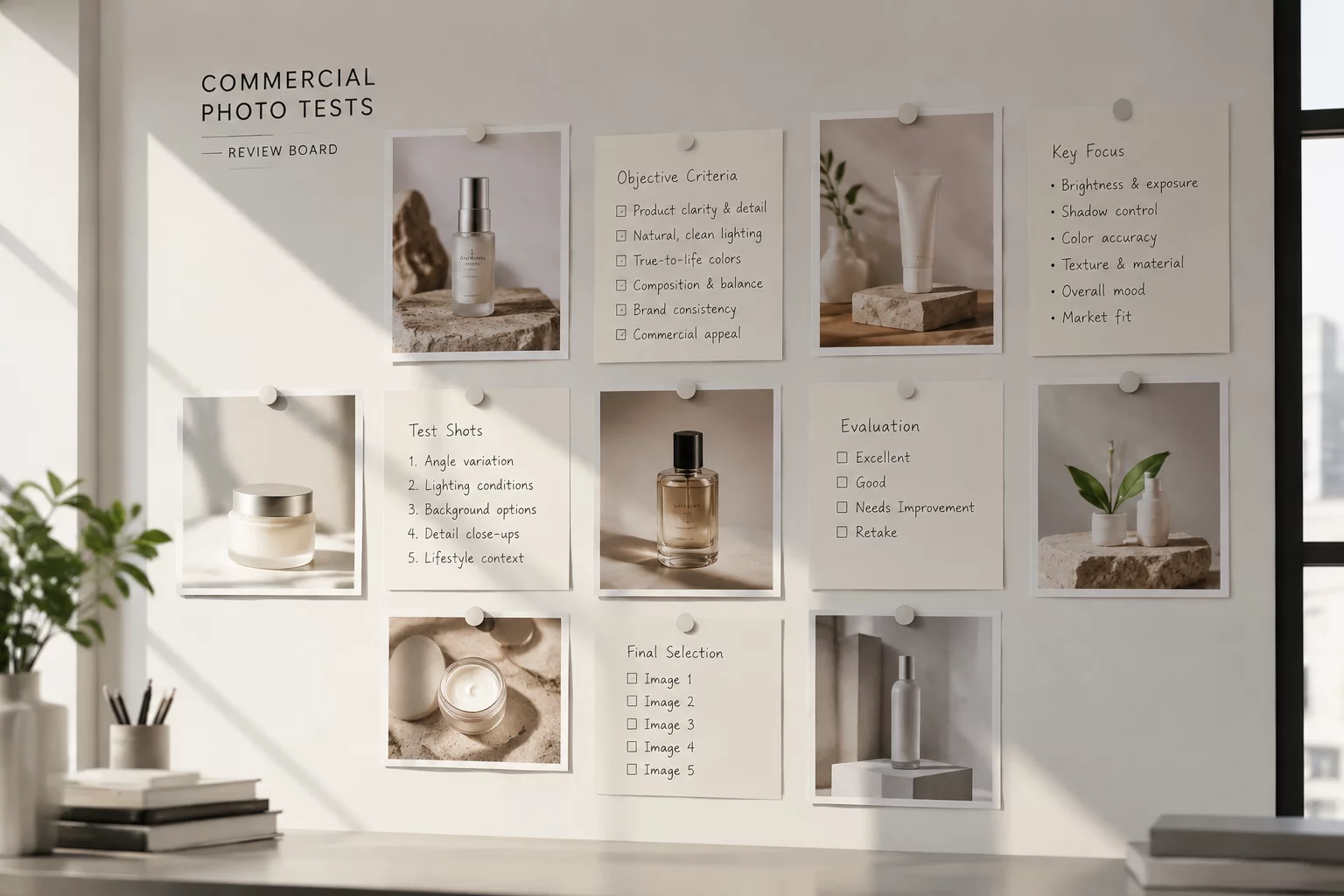
Handling Ambiguous Client Rejection Criteria Systematically
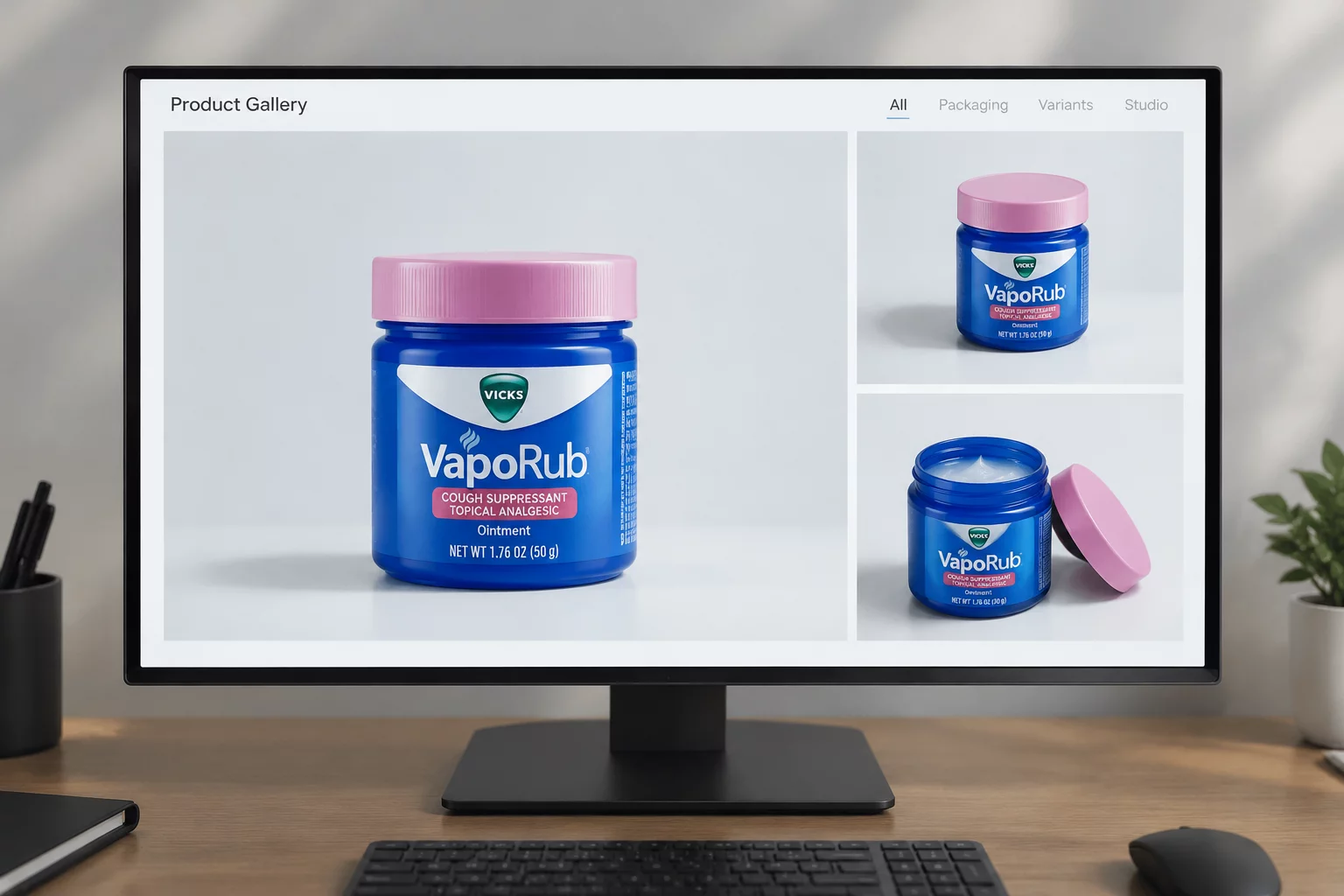
Building Non-Overwhelming Commercial Review Collections
Elena Rostova
Lead CuratorWe tested the 3-candidate cap on last week's apparel campaign proofing deck. The marketing team finalized all 18 hero assets in less than two hours with zero follow-up ambiguity.