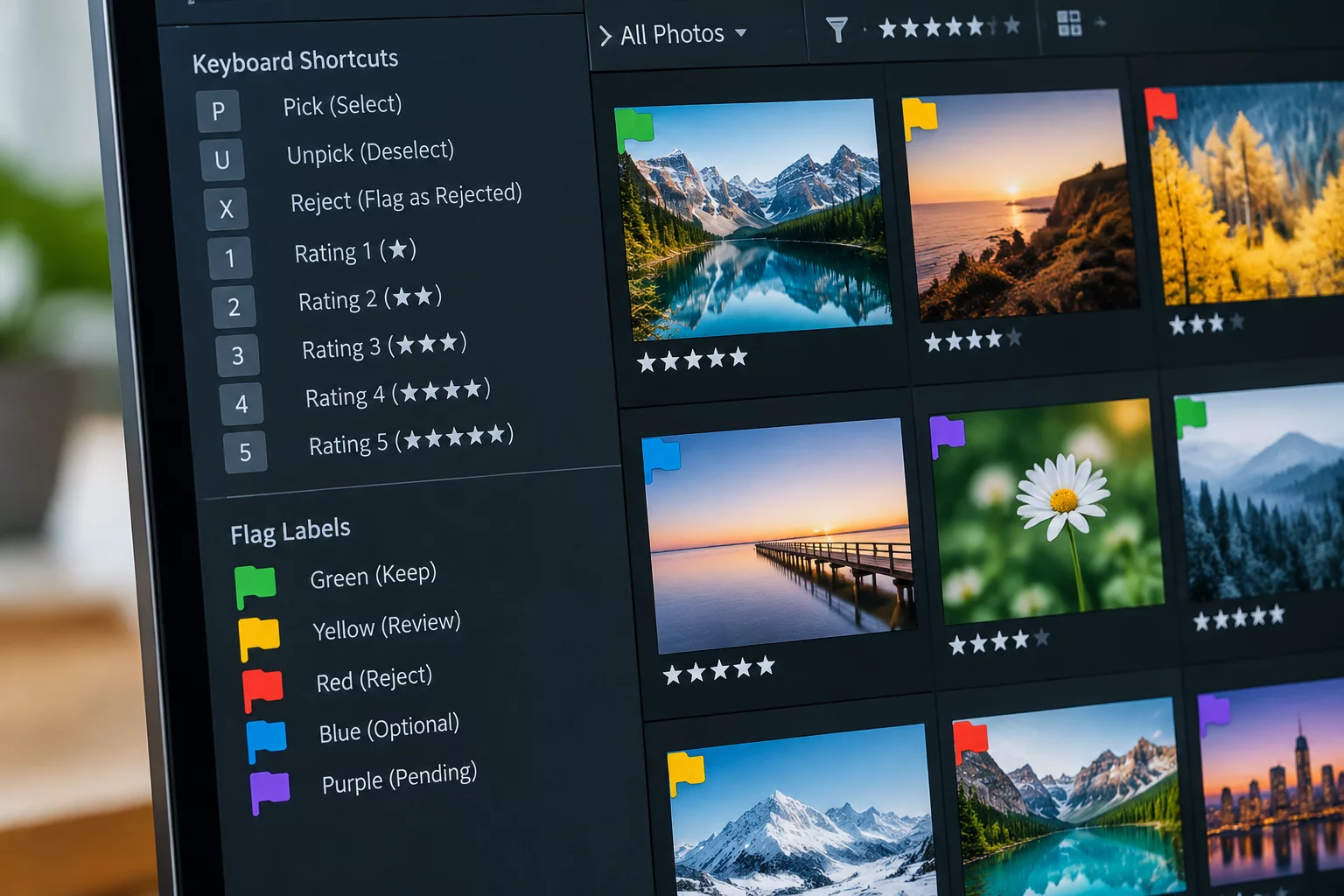
High-volume culling collapses whenever photographers attach fluid emotional impressions to color labels instead of strictly defined operational gates. When red indicates an out-of-focus throwaway in one capture sequence but a frame with recoverable strobe flare in another, editors waste valuable minutes re-evaluating rejected assets. A standardized color flag taxonomy enforces a universal triage language: every color marks an immutable pipeline checkpoint rather than an aesthetic appraisal.
By decoupling the technical audit from artistic evaluation, editors dramatically accelerate decision velocity. During the opening triage sweep, the viewer scans raw captures strictly for focal accuracy and subject motion blur. Operators assign status flags mechanically without agonizing over whether a subject posture feels compelling.
Taxonomy Operational Specifications
- Red Flag (Pass 01)
- Immediate Technical Rejection (missed focal plane, camera shake, severe highlight clipping)
- Yellow Flag (Pass 02)
- Expression & Gesture Candidate (sharp eye focus confirmed, micro-expression audition pool)
- Green Flag (Pass 03)
- Shortlist Contender (compositional balance verified, wardrobe tension cleared)
- Blue Flag (Handoff)
- Client Review Variant (color-balanced export contender ready for staged presentation)
Rapid curation requires rigorous isolation of visual parameters. In high-speed commercial shooting, evaluating sharpness, narrative expression, and framing simultaneously causes severe perceptual fatigue within forty minutes. Splitting the sorting workflow into sequential color-flagged passes ensures the editor makes only one binary decision per frame.
- Pass 1: Zero-hesitation tagging of irrecoverable soft frames using 100% loupe overlays on primary subject pupils.
- Pass 2: Yellow flagging natural pupil alignment and authentic micro-expressions within high frame-rate burst sets.
- Pass 3: Green upgrading primary selects while clearing unflagged backup frames to cold catalog storage.
This unidirectional progression guarantees that rejected raw frames never re-enter subsequent review pools. When comparing similar variants, only yellow and green tagged files populate the active viewer workspace.
Once raw assets receive their color designations, automated smart collections immediately partition the catalog. The lead curator can isolate all yellow-flagged assets across an eight-thousand frame catalog with a single keystroke, inspecting comparative bursts side by side without clutter from technical rejects.
During collaborative handoffs, color semantics prevent expensive misunderstandings between digital technicians and art directors. A blue tag communicates to the post-production team that an asset has passed both technical and compositional gates, making it ready for client proof generation or retoucher dispatch.
Apply these selection questions in your workspace: Selection Passes and Variants in Capture One.
Capture One Selection Passes & Variant Structuring
Review the complete documentation on mapping color tags, setting up smart album gatekeepers, and configuring non-destructive variant trees.

Preventing Visual Fatigue During Multi-Hour Image Reviews
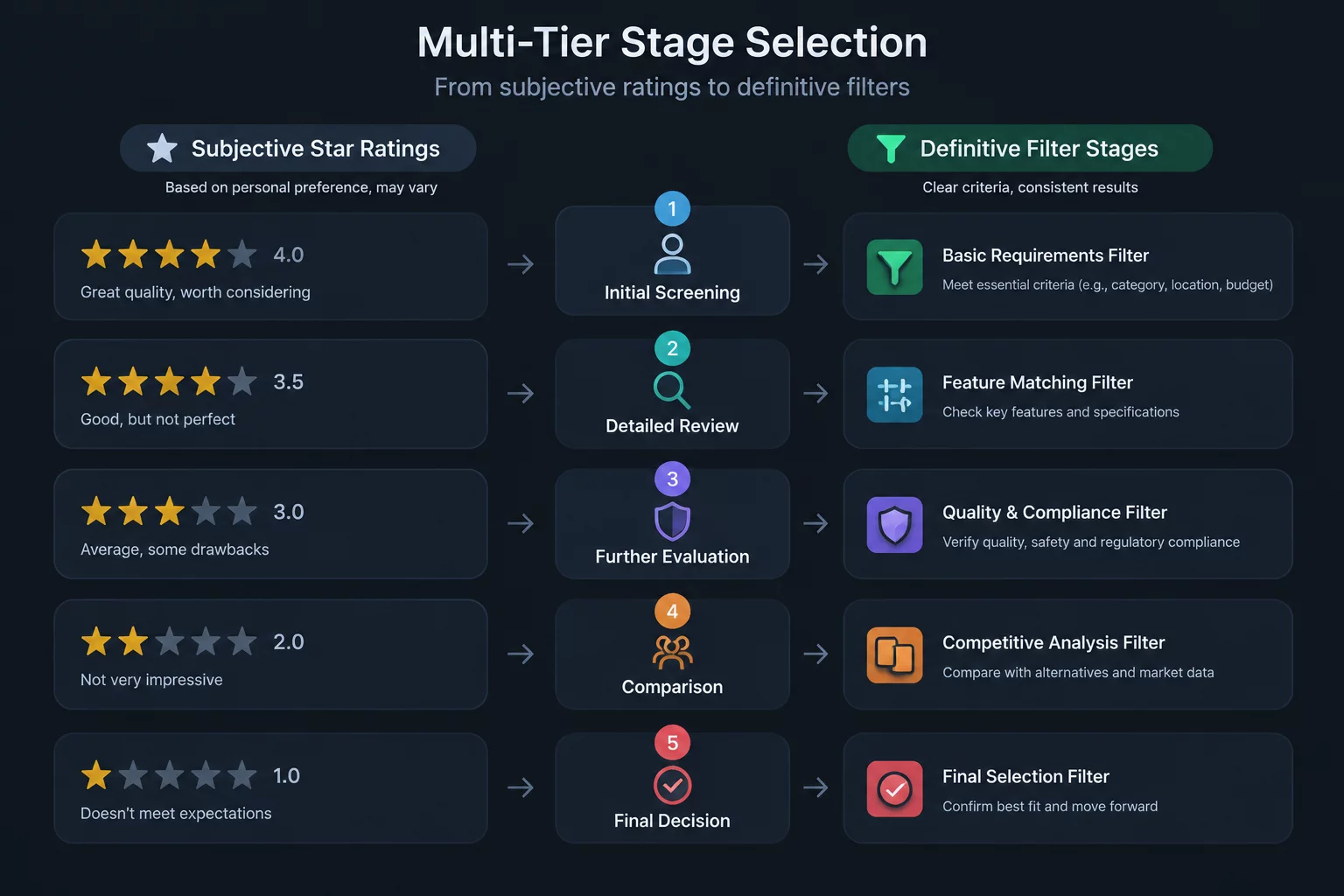
Why Star Ratings Fail Without Stage Rules
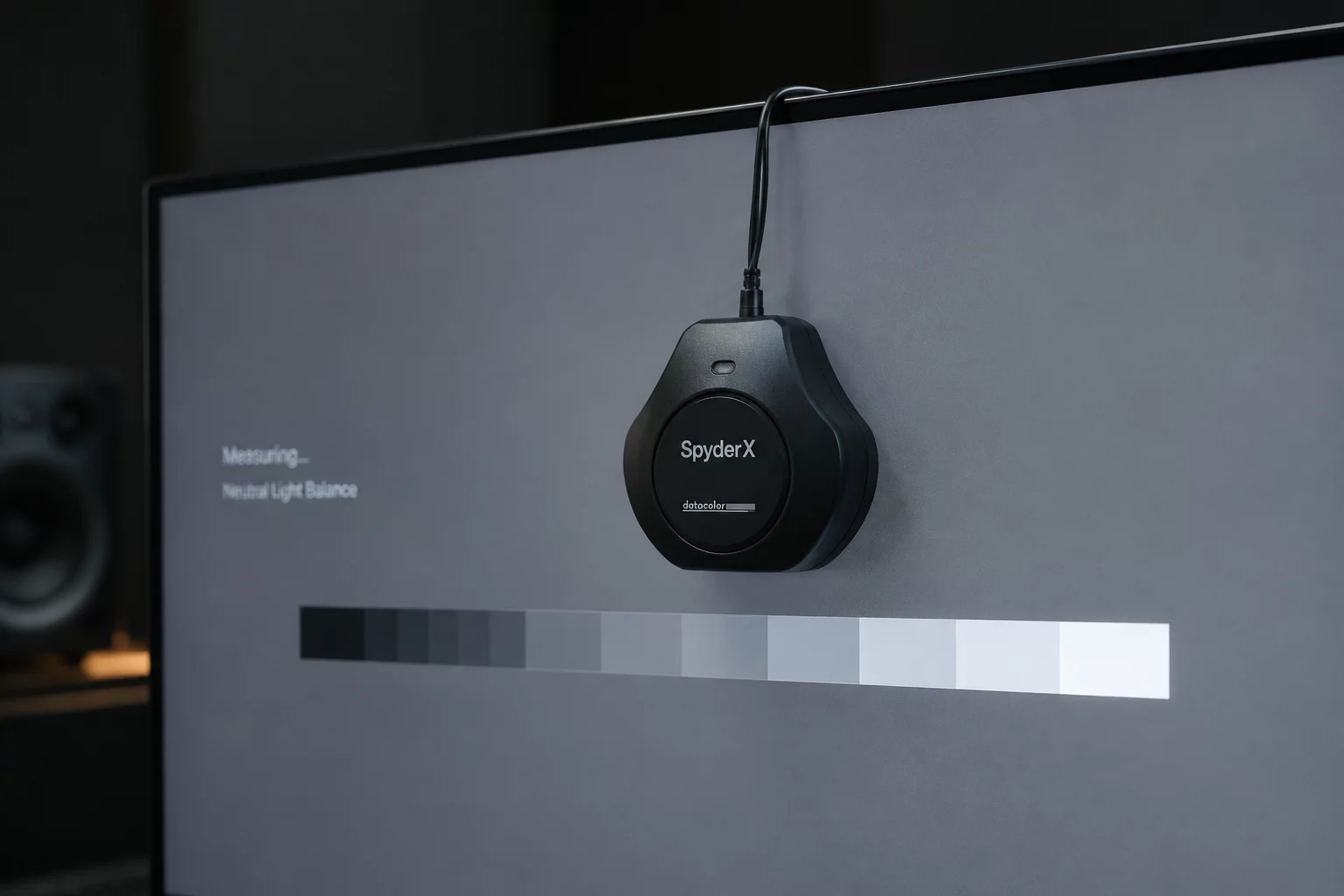
Monitor Ambient Lighting Standards for Triage Rooms

No comments yet. Be the first to leave a field note.