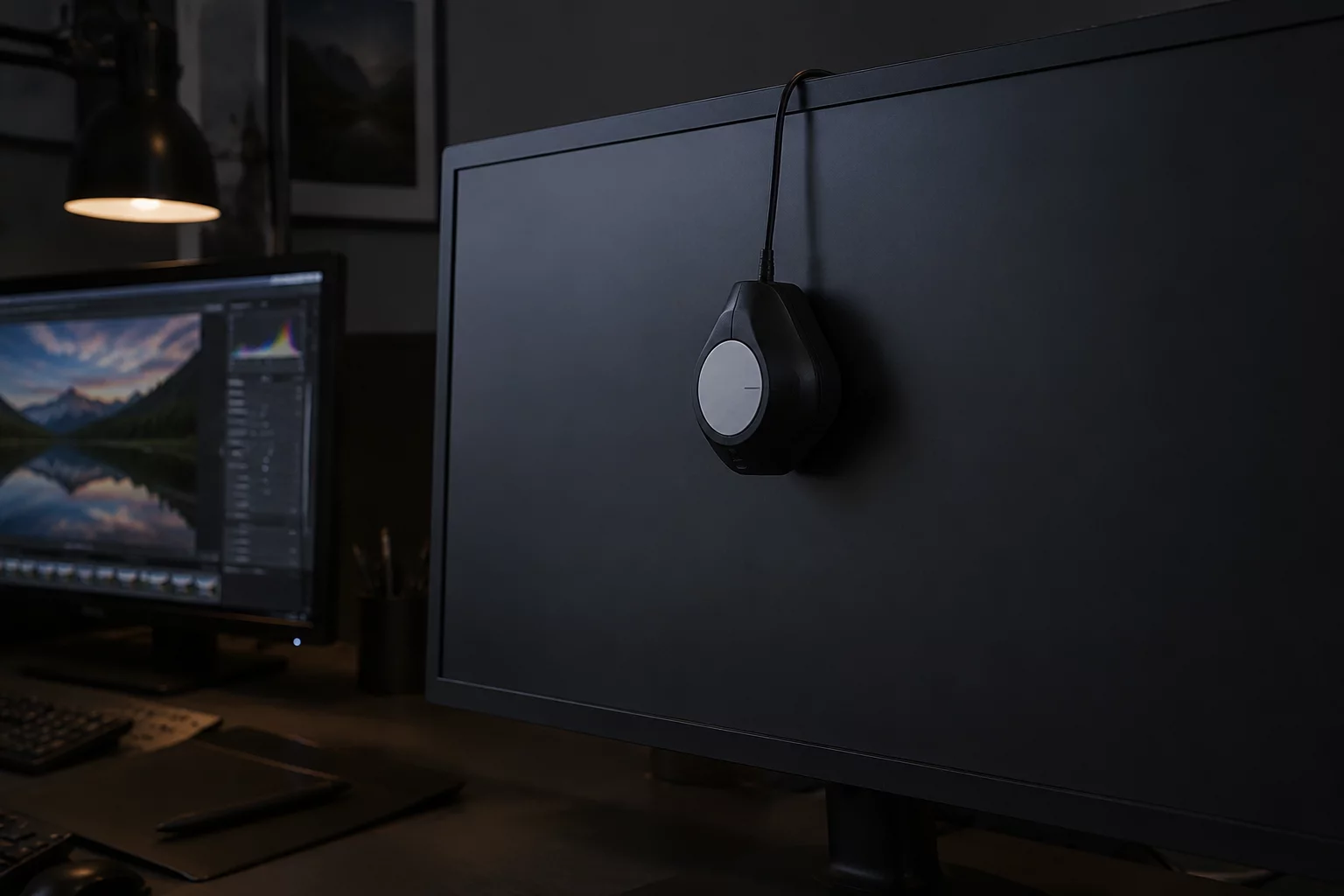
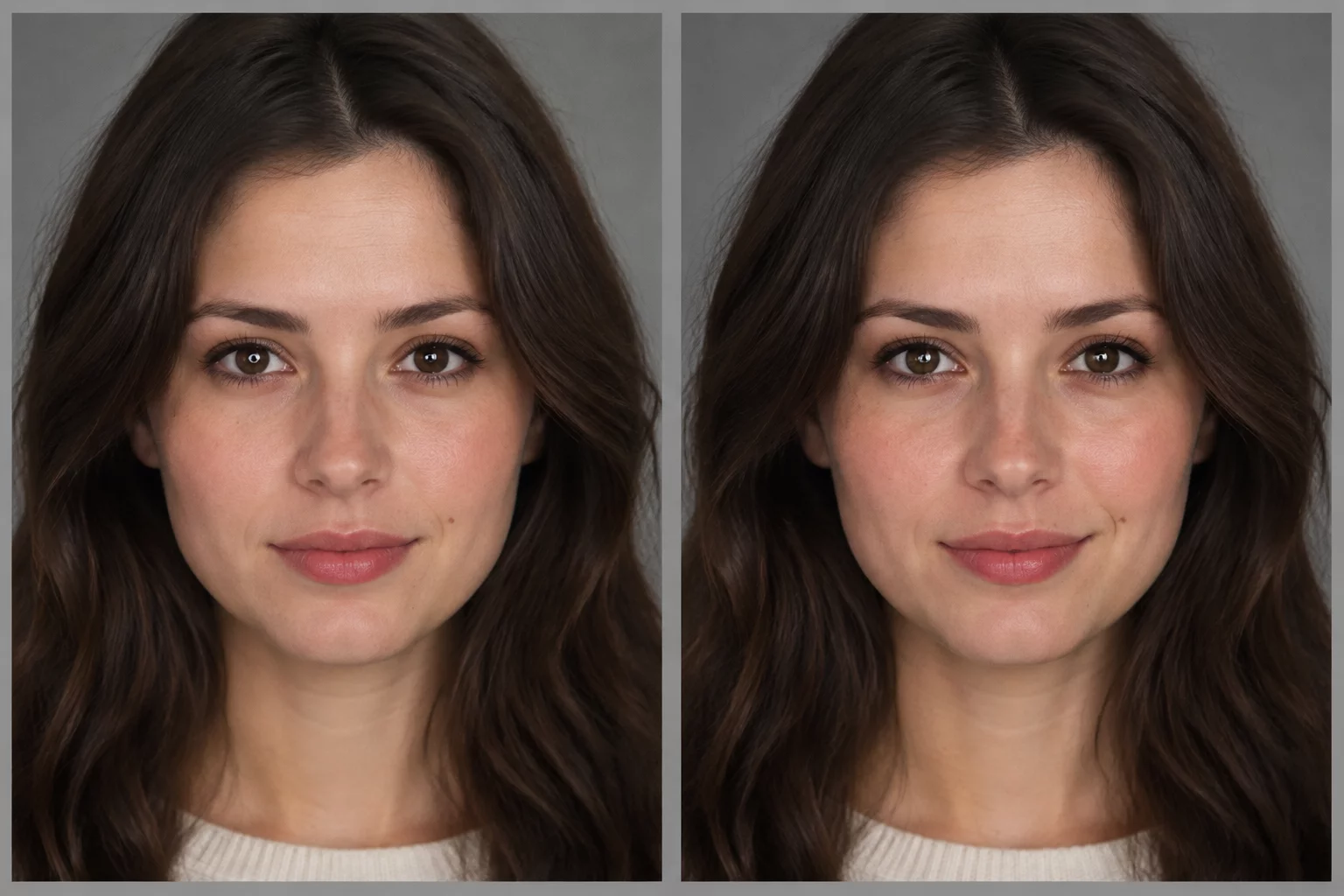
Triage accuracy depends heavily on human pupil diameter and retina adaptation state. When reviewing raw image sequences in an uncontrolled commercial room with 300 to 500 lux ceiling fixtures, the human eye constantly contracts its aperture. Under that intense surround brightness, deep shadow zones on calibrated IPS screens appear completely crushed into pure black. Curators mistakenly reject salvageable exposures during the technical pass simply because their eyes cannot resolve the lower three stops of tonality.
To eliminate these appraisal errors, professional culling suites adhere to ISO 3664:2009 and ISO 12646 viewing standards. The ambient room illumination must remain between 30 and 60 lux when measured directly at the face of the display panel. Surround walls should be coated in matte Munsell N7 neutral gray paint. This exact reflectance level prevents chromatic color shifts from bouncing off perimeter drywall into the operator's peripheral vision.
Physical Triage Bay Parameters
- Ambient Illuminance
- 30 to 60 lux at display face
- Surround Wall Finish
- Munsell N7 flat matte gray (approx. 18% reflectance)
- Display White Point
- D65 or D50 at 100 to 120 cd/m²
- Bias Light Color Temp
- 5000K – 6500K with CRI ≥ 95 (Ra)
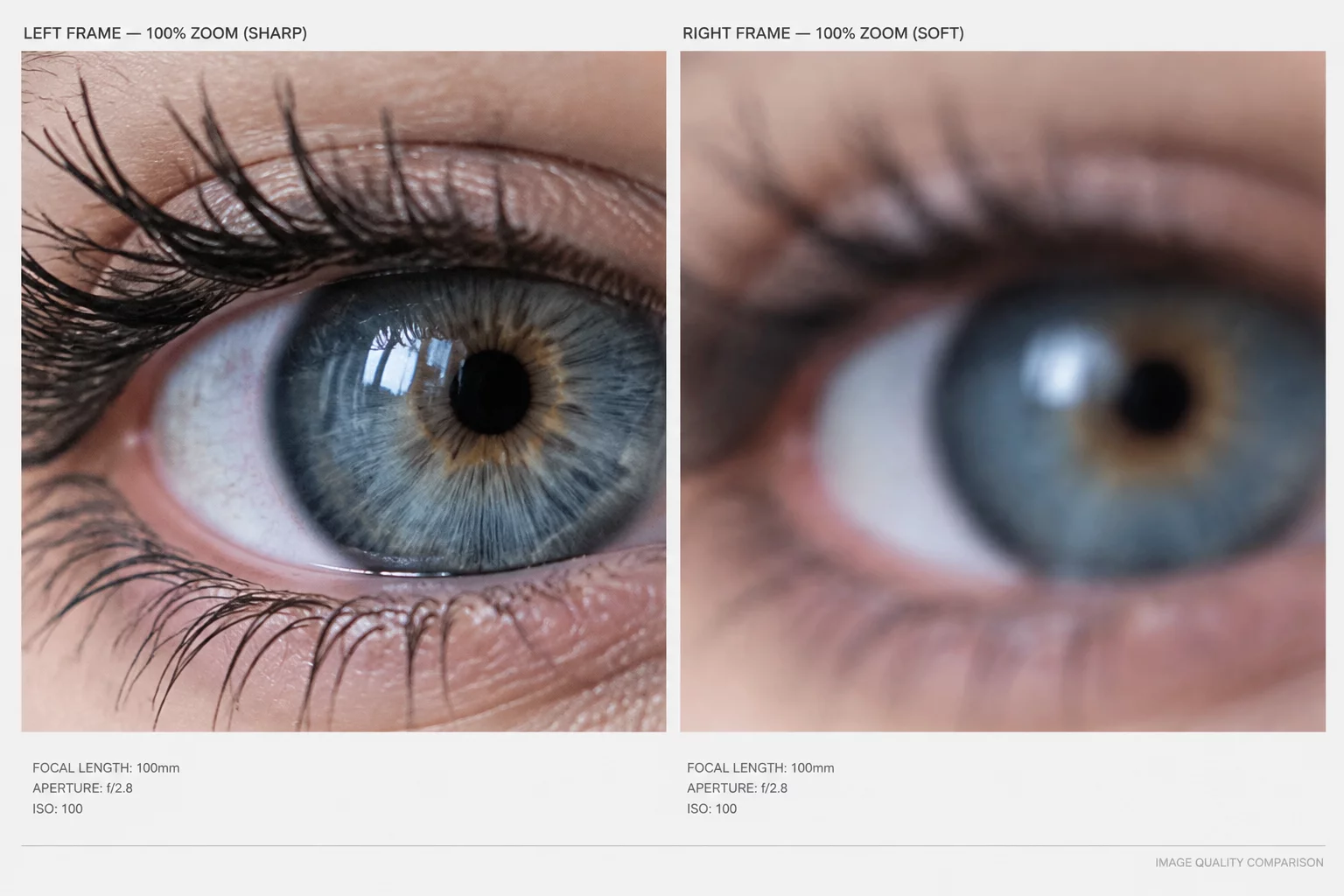
Veiling glare across panel glass diminishes the apparent acuity of camera sensor noise and fine edge definition. When evaluating micro-sharpness on eyelashes or product edges at 100% zoom, stray overhead lighting causes diffused specular reflections. Even micro-reflections trick the brain into diagnosing critical sharpness as slight lens softness, leading to unwarranted image elimination.
- Mount deep matte flocking hoods on all three monitor edges to block lateral room light angles.
- Orient workstation perpendicular to north-facing windows fitted with total opaque blackout blinds.
- Maintain neutral dark gray or black apparel at the desk to prevent clothing reflections in glossy or semi-matte panels.
Direct daylight ingress represents an immediate threat to selection integrity. Daylight fluctuates from 3000 lux on an overcast morning to 25,000 lux in direct sun, while its Kelvin value drifts from 4500K to 8000K throughout an afternoon. Automated culling velocity drops by half whenever the retinas must adapt to continuous ambient shifts.
Placing an illuminated screen inside an entirely pitch-black room triggers severe asthenopia. The eye attempts to adapt simultaneously to the glowing 120 cd/m² screen center and the zero-luminance void behind the monitor chassis. Ciliary muscles fatigue rapidly within ninety minutes, causing headaches, blurred vision, and erratic grading decisions during the expression and variant passes.
Balanced bias lighting resolves this conflict by casting a diffused halo behind the screen enclosure onto the Munsell back wall. The total luminance of this rear bounce should measure approximately 10 percent of the monitor's calibrated white level. This stable reference plane keeps pupils uniformly dilated, enhances perceived black depth through optical contrast enhancement, and sustains visual sharpness through the sixth consecutive hour of batch culling.
Apply these selection questions in your workspace: Selection Passes and Variants in Capture One.
Capture One Selection Passes Framework
Discover how controlled triage lighting accelerates the Technical Pass and Expression Pass within Capture One sessions and catalogs.

Elena Rostova
Lead CuratorSwitching our studio culling desks to a calibrated 45-lux surround with 5000K bias strips immediately stopped false discards in shadow areas. Editors are retaining nuanced dark-fabric textures during Pass 1 that used to be discarded as underexposed mistakes.