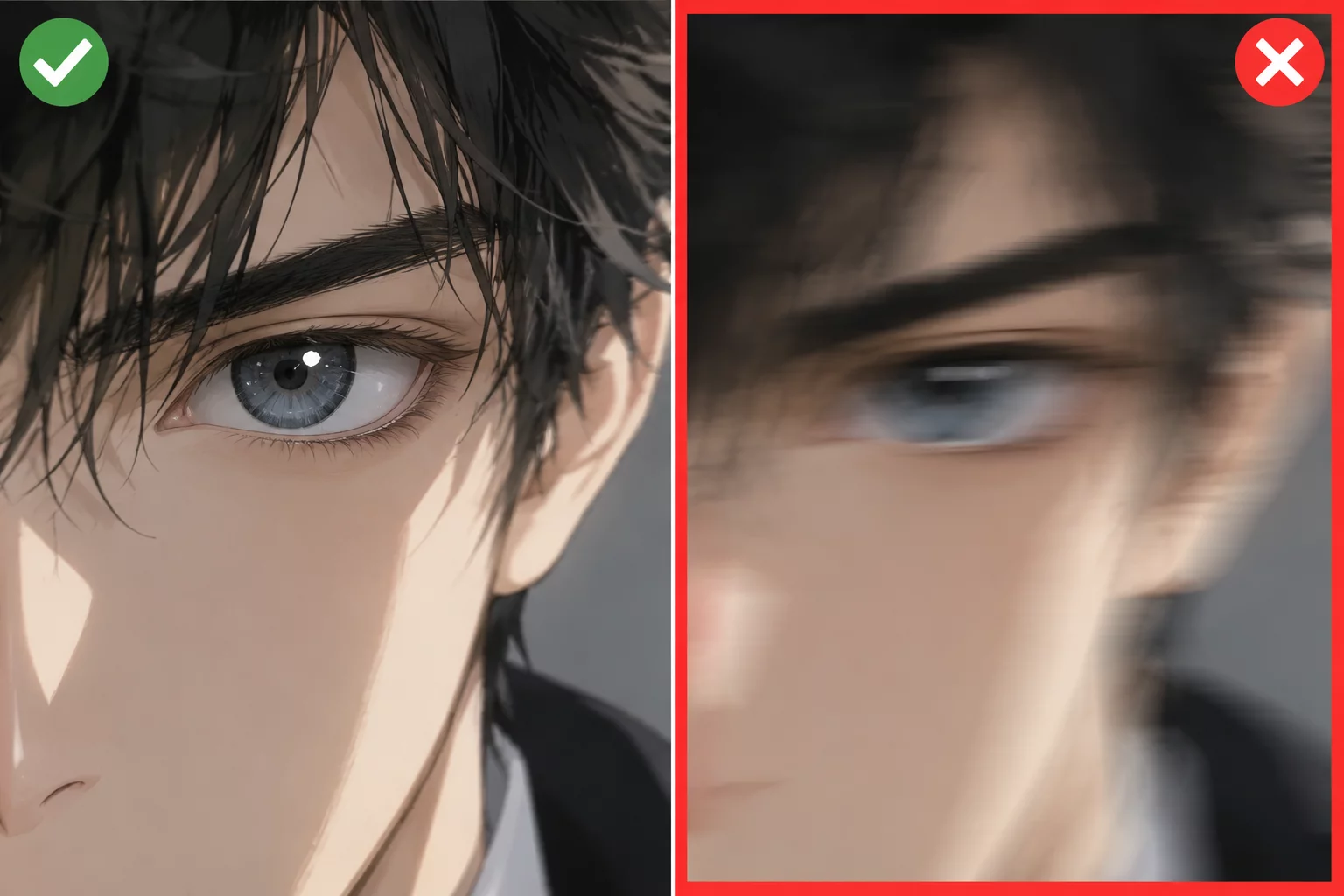
Triage efficiency collapses the moment a photographer attempts to weigh facial micro-expressions while squinting at borderline sharpness. An uncompromising technical pass resolves this conflict by separating mechanical defects from editorial qualities. During this opening review pass, raw images pass through a binary filter where soft focus and motion smear prompt an immediate rejection without regard to narrative nuance.
Optical drift and shutter drag stem from fundamentally distinct physical issues. Autofocus tracking may lag behind an advancing subject, shifting the sharpest focal slice backward onto an earlobe or shirt collar. Motion blur represents kinetic displacement during exposure, dragging highlights along a linear axis regardless of lens calibration. Differentiating these two failures reveals whether the shutter speed fell below the focal length threshold or the autofocus servo failed to maintain subject registration.
Technical Pass Audit Benchmarks
- Loupe Magnification
- 100% pixel-to-pixel ratio anchored to the leading eye
- Triage Velocity
- 0.8 to 1.4 seconds per frame with single-key rejection
- Quarantine Rule
- Immediate zero-rating; no secondary inspection allowed
- Diagnostic Plane Check
- Sweep anterior and posterior planes for back-focus shifts
Pixel smear leaves unmistakable geometric evidence across high-contrast edges. Iris catchlights serve as the most reliable diagnostic anchor during commercial headshot and portrait reviews. A spherical catchlight indicates precise camera stabilization, while an oval or double-headed reflection proves that either the photographer swayed or the subject turned during shutter travel.
- Inspect corneal catchlights for directional elongation or dual-edge haloing.
- Check background architectural highlights to confirm whether blur affected the entire frame uniformly.
- Verify hand and garment edges to differentiate localized limb movement from core torso motion.
Global camera shake smears static scene components alongside the subject. Subject motion blur leaves background textures tack-sharp while only the moving figure loses edge acutance. Recognizing this difference during the initial pass prevents photographers from erroneously recalibrating lenses when the real problem was an inadequate 1/160s shutter speed on dynamic movement.
Fast prime glass shot between f/1.2 and f/2.0 produces razor-thin margins where even minor subject respiration pushes lashes out of focus. When examining a portrait where the cornea appears soft, scan three centimeters forward and backward across the anatomical axis. Crisply defined weave on a shoulder lapel or sharp individual strands behind the ear indicate a front- or back-focus registration error.
Frames exhibiting systemic focus drift cannot be rescued cleanly through deconvolution sharpening or high-pass filtering without degrading organic micro-texture. Marking these captures with an unequivocal rejection flag keeps the culling stream clean, ensuring that subsequent comparison rounds evaluate only frames capable of supporting large-format reproduction and high-resolution commercial delivery.
Apply these selection questions in your workspace: Selection Passes and Variants in Capture One.
Capture One Selection Passes
Explore our practical setup for custom workspace hotkeys, focus loupe automation, and synchronized variant comparisons.
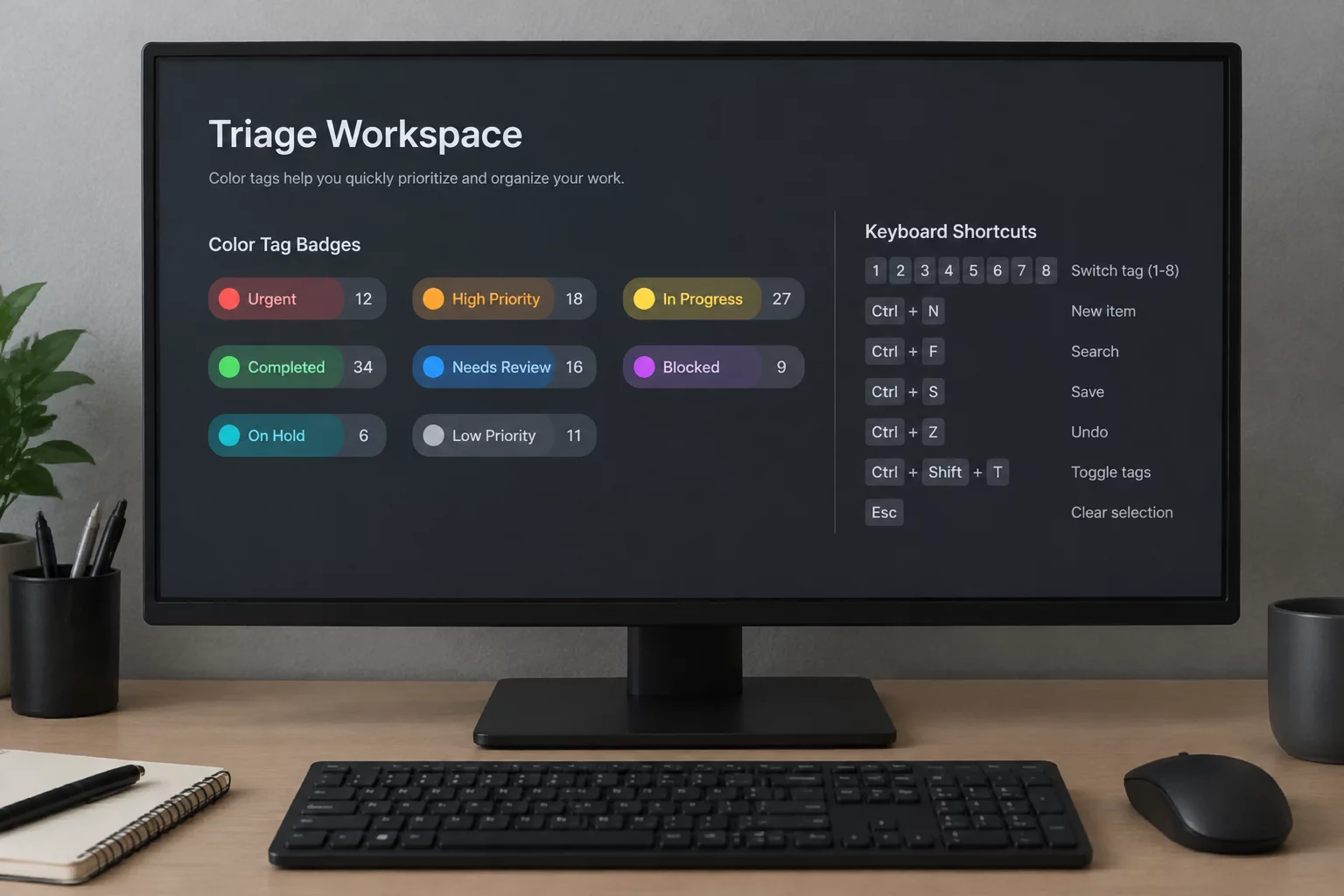
Color Flag Taxonomy for High Volume Culling
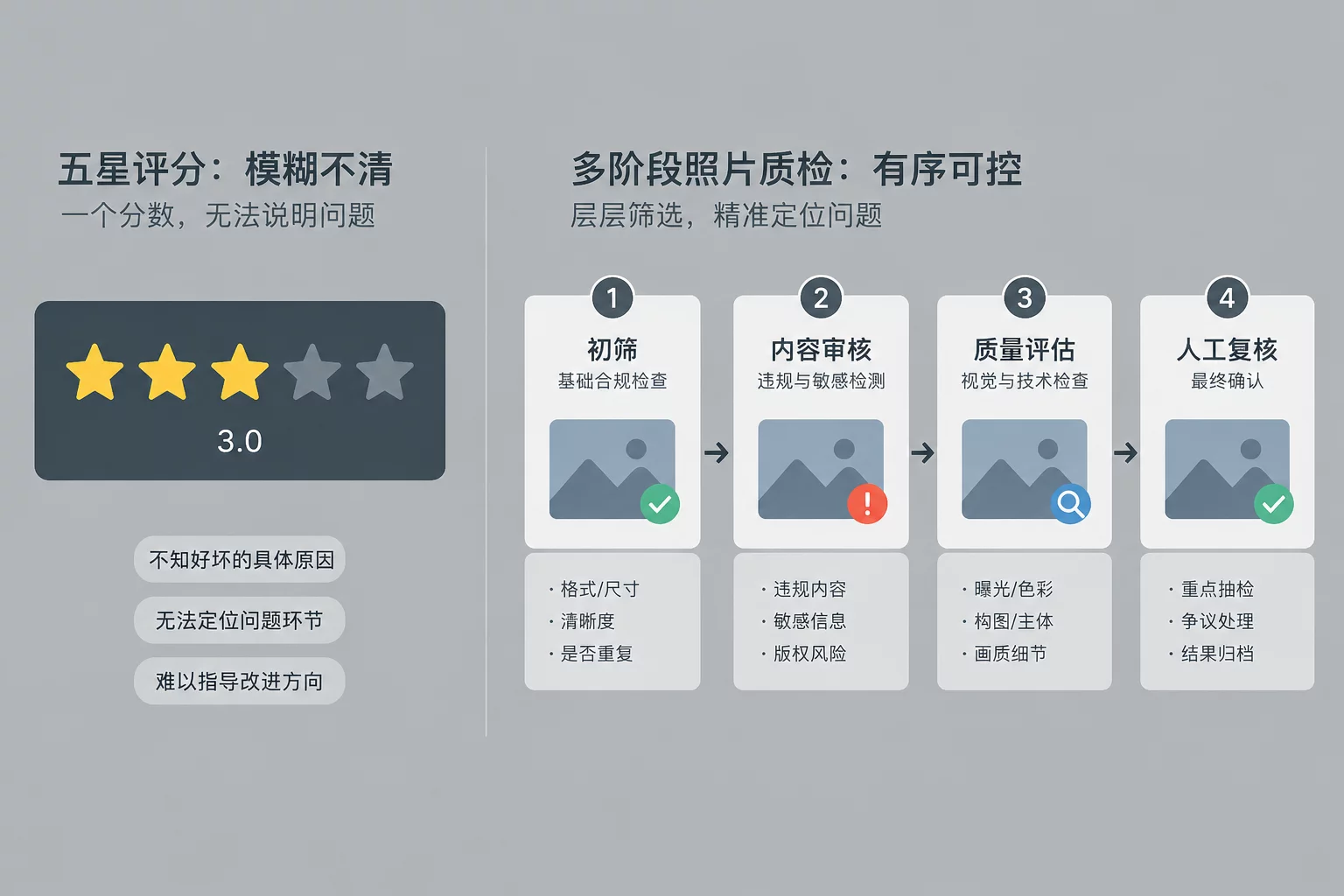
Why Star Ratings Fail Without Stage Rules
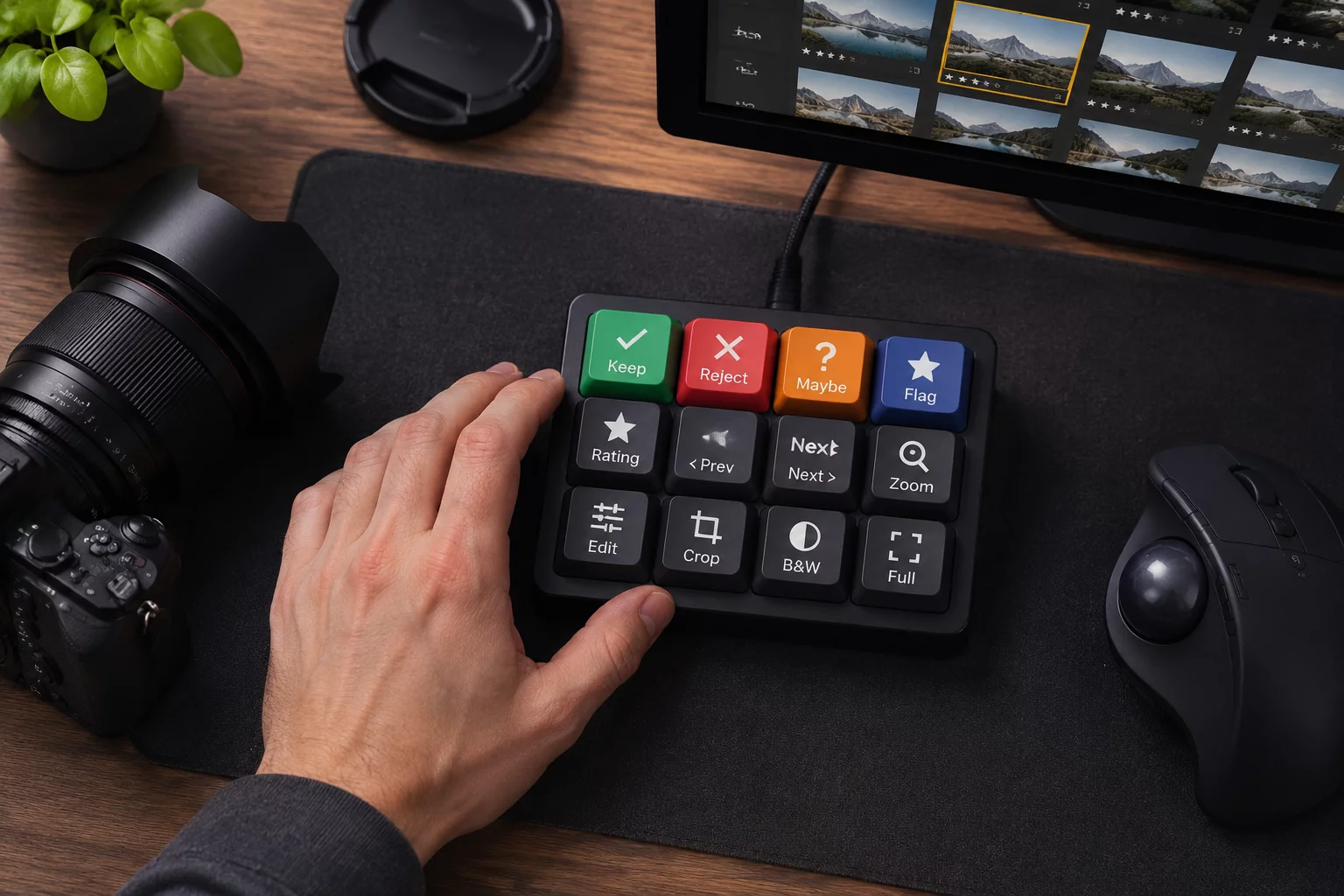
Keyboard Shortcut Ergonomics for Rapid Selection

No field observations documented yet. This could be your first comment.