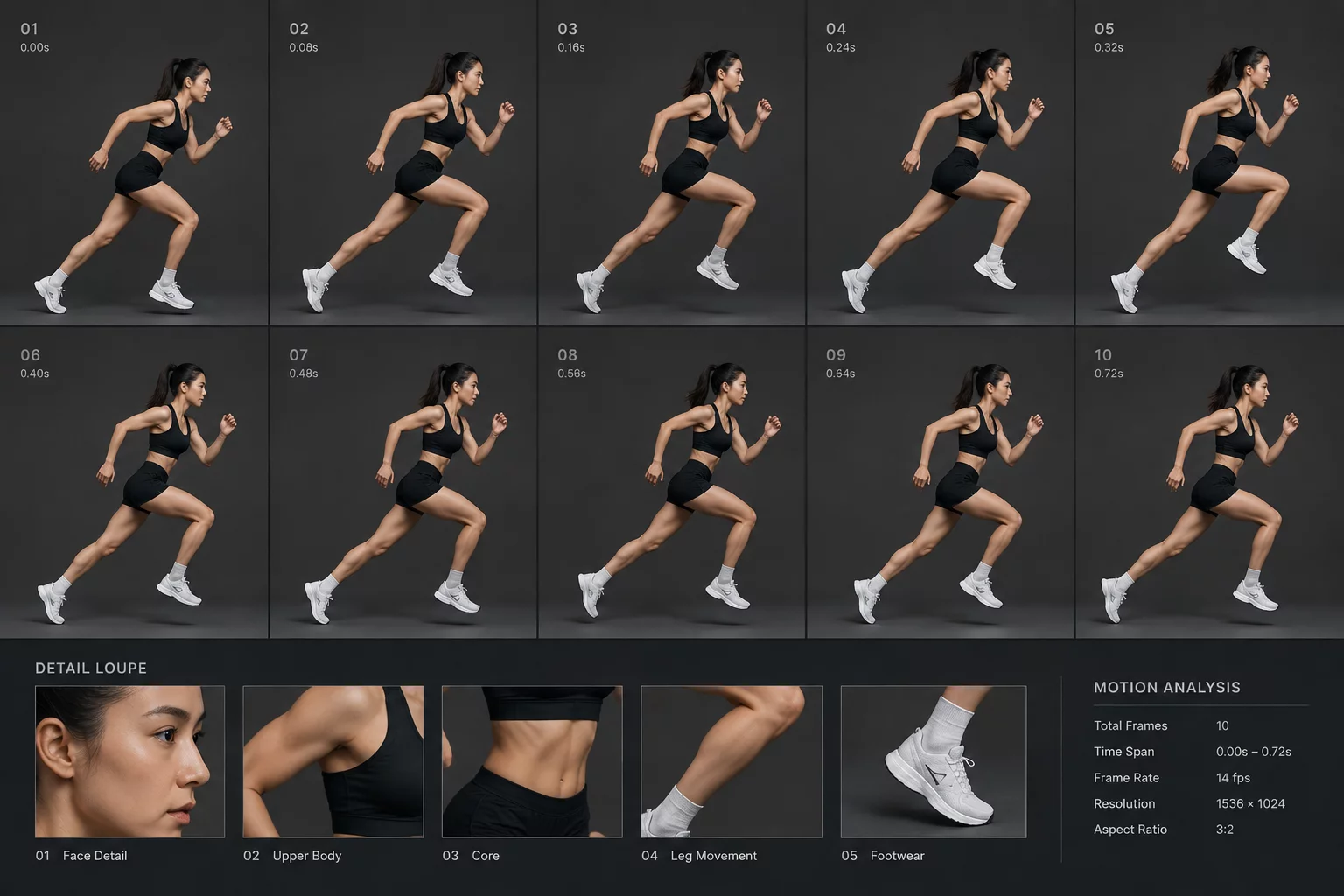
High-speed continuous shooting generates extensive sequences of superficially identical captures, yet autofocus tracking lags and sudden micro-shakes render over half of them technically compromised. In this initial gate, we isolate images using 100% loupe verification locked to high-contrast focal points such as eyelashes, equipment decals, or bib lettering.
Curators deliberately ignore kinetic drama, dynamic splash, or facial intensity during this pass. If the plane of critical focus drifts backward onto the collar or jersey instead of the lead eye, the capture receives an immediate red rejection flag and exits the primary triage queue.
Burst Analysis Audit Specs
- Shutter Velocity
- 1/2500 sec at f/2.8 ISO 400
- Burst Cadence
- 24 frames per second electronic shutter raw
- Pass 1 Drop Rate
- 38 of 64 frames (59.3% focus/tracking fallout)
- Focal Priority Target
- Leading iris catchlight & facial edge micro-contrast
Once technically compromised captures are eliminated, the curator evaluates the remaining burst frames for muscular extension and silhouette clarity. In athletic motion, fractions of a second differentiate an awkward joint compression from an athletic release.
- Uncluttered separation between active limbs and background elements
- Unbroken kinetic line extending through the drive leg into torso posture
- Absence of transitional micro-grimaces or involuntary blinking during impact
Comparing adjacent frames in synchronized multi-view mode highlights minute muscular contractions. We apply yellow tags to promising candidates to advance them into direct variant comparison against the hero anchor frame.
During the final shortlist review, the top three surviving variants undergo direct side-by-side comparison under calibrated neutral lighting. Curators weigh secondary contextual elements including turf splash distribution, ambient stadium light flare, and brand sponsor visibility.
Once the primary hero frame earns approval, green color flags and five-star rating metadata lock the selection. Standardized IPTC schemas record sport category, athlete identification, and archival usage permissions before client gallery export.
Apply these selection questions in your workspace: Selection Passes and Variants in Capture One.
Review Documented Selection Cases
Inspect documented culling workflows for studio portraiture, packaging reflections, and corporate keynote gestures.
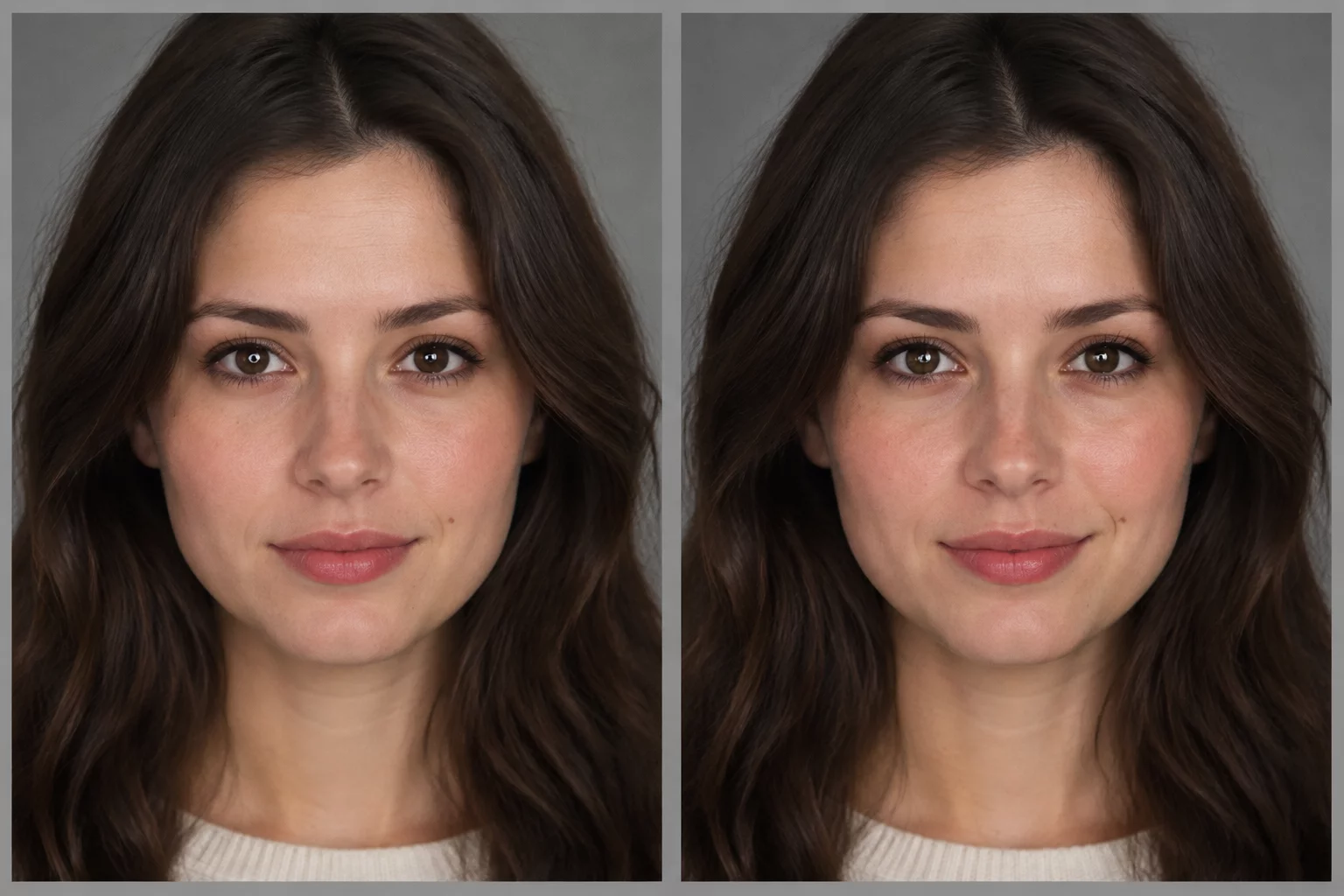
Subtle Micro-Expression Variations in Studio Portraits
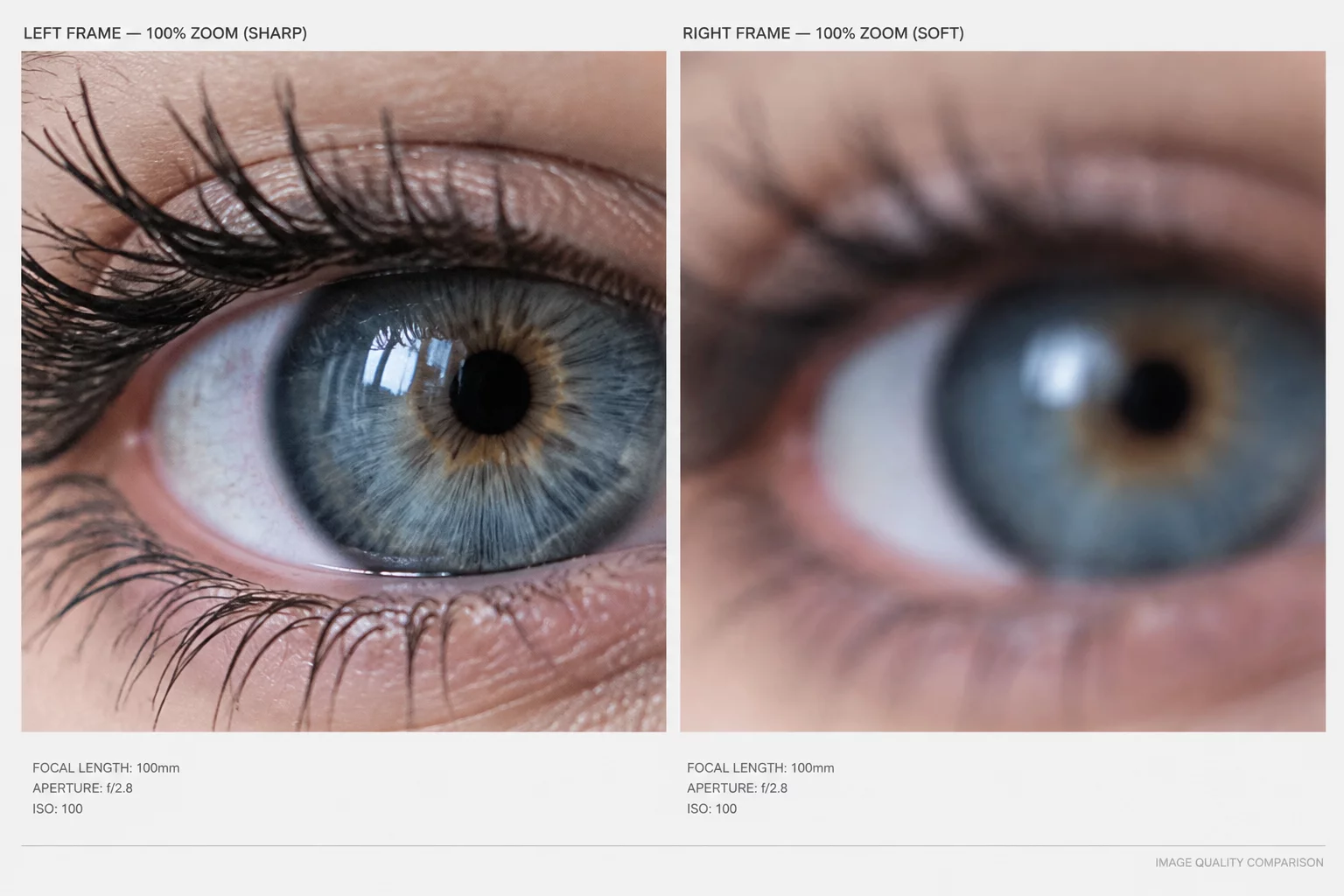
Depth of Field Falloff and Critical Focus Auditing
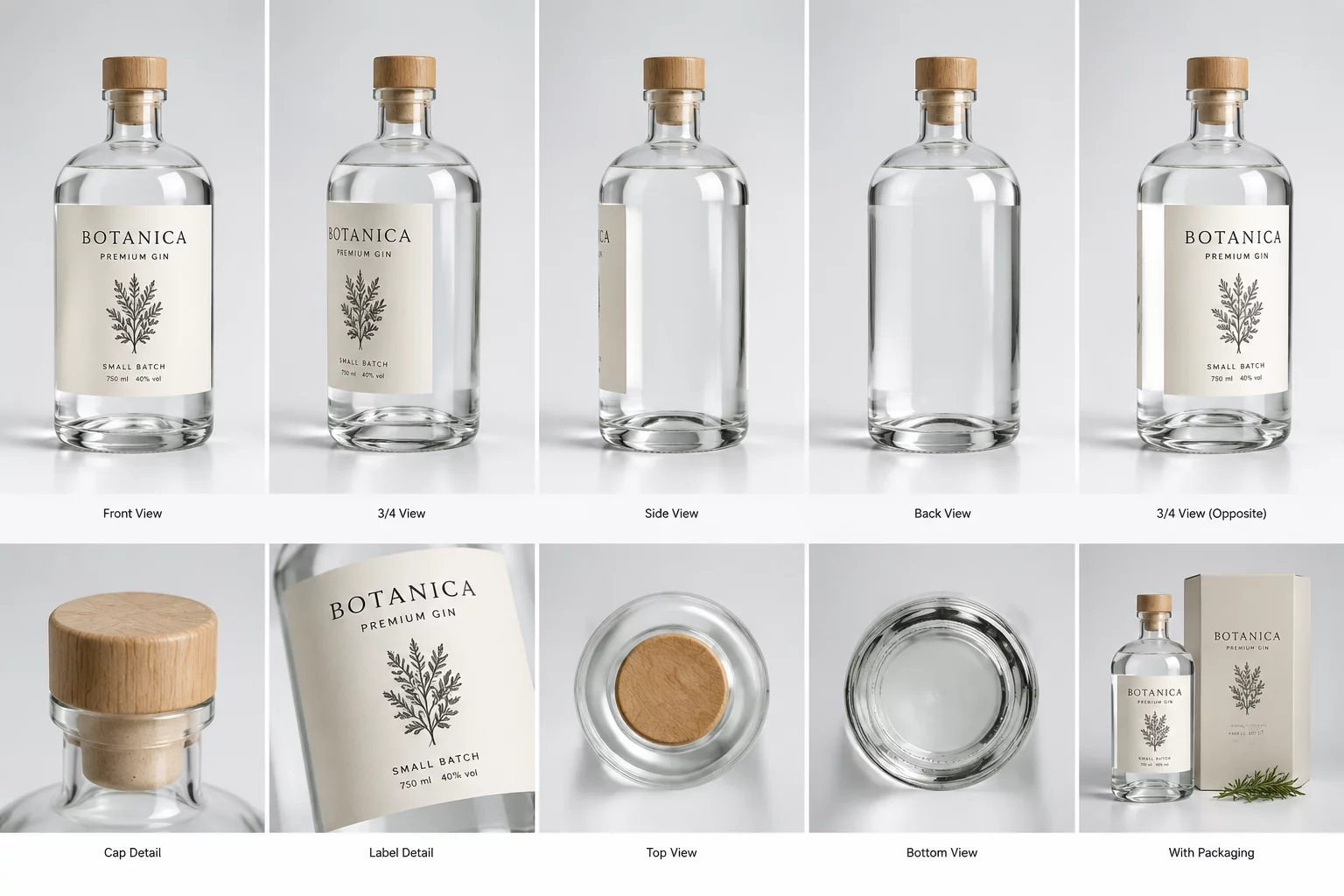
Commercial Packaging Angle Elimination

Elena Rostova
Lead CuratorThe 3-stage triage protocol significantly compressed our initial culling cycle. Marking soft focus rejects on Pass 1 eliminated 42% of raw frames before metadata batching, preserving visual stamina for editorial selections.