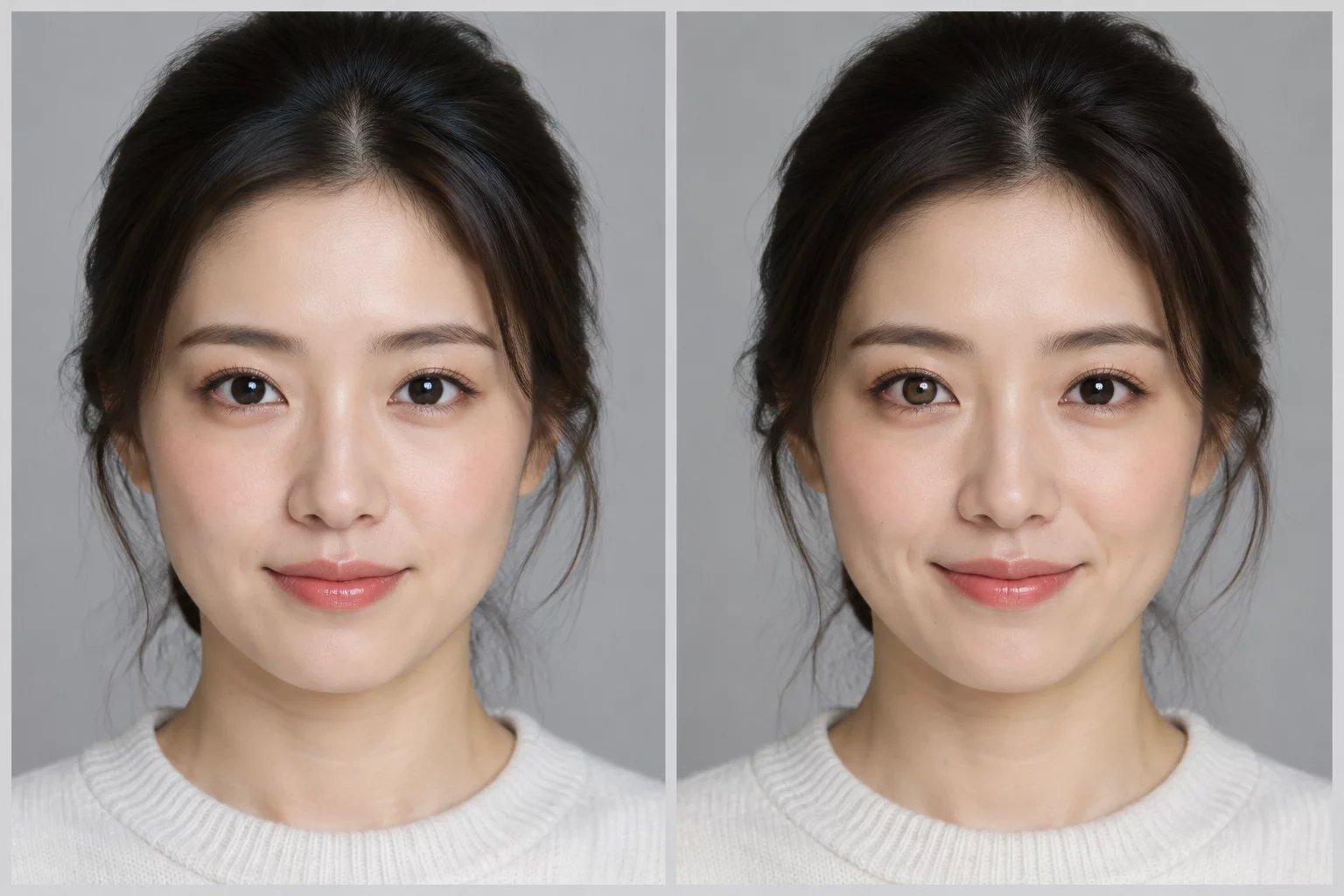
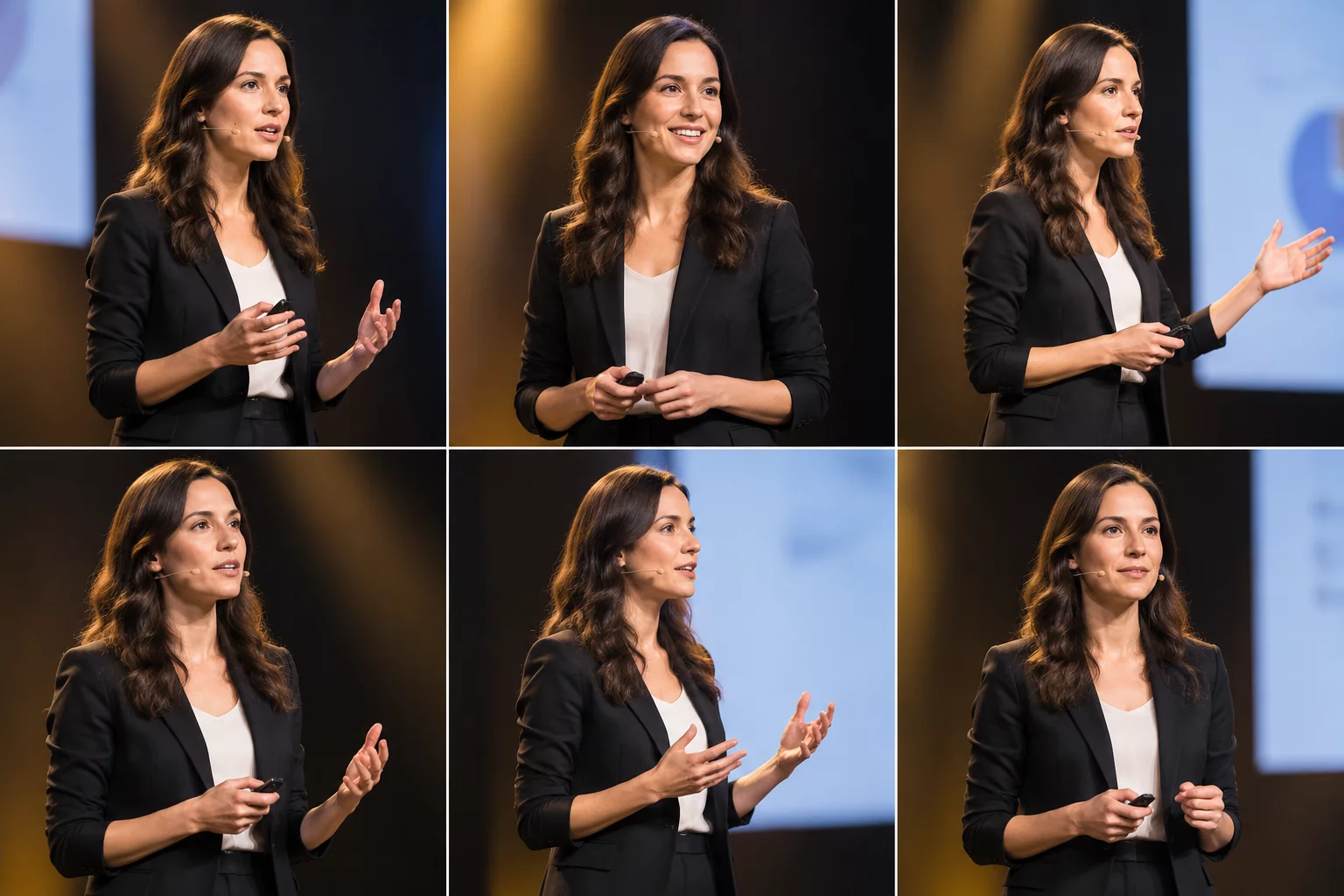
Studio portrait sessions generate dozens of frames that appear identical at thumbnail scale, yet emotional resonance shifts within fractions of a second. When subjects hold expressions under continuous studio strobes, fatigue settles into the orbicularis oculi muscle before the mouth moves. The culling editor must audit eye aperture rather than mouth width to detect genuine warmth versus strained holding patterns.
Passing frames with subtle micro-tensions causes friction during client retouching reviews. By implementing a standardized zoom loupe sweep at Pass 2, curators isolate the exact frame where jaw clenching relaxes and natural eye crinkling aligns with comfortable lip placement.
Technical Audit Parameters
- Optical Baseline
- 85mm f/1.4 prime lens evaluated at f/2.8
- Burst Cadence
- 3.5 frames per second rhythm
- Ocular Anchor
- Upper eyelid crease symmetry & iris catchlight stability
- Pass Gating Action
- Yellow flag for keeper variant; red tag for jaw tension reject
Curators often waste precious minutes deliberating between four near-identical frames when inspecting the entire face simultaneously. Human brains register overall beauty but overlook subtle asymmetries caused by mid-speech stutter or asymmetrical brow tension. Our protocol forces editors to evaluate three localized zones sequentially:
- Eye Ring Relaxation: Verify symmetrical orbicularis contraction without forced squinting or half-closed upper lids.
- Lip Corner Vector: Reject frames where the depressor anguli oris pulls downward while the smile spreads outward.
- Pupil Catchlight Stability: Ensure dual softbox reflections sit identically in both irises without chin-dip occlusion.
If a frame fails any of these three gating points, editors immediately discard it to prevent subjective second-guessing in later selection rounds.
During Pass 2 of our studio workflow, burst groups of 6 to 12 frames collapse into variant stacks. The digital technician keeps the single cleanest expression marked with a green flag, while the nearest viable alternative receives a yellow tag. All remaining micro-variants with awkward mouth tension or dead-eye stares receive an immediate red flag and hide from view.
This approach prevents visual fatigue when narrowing down commercial deliverables. The client proofing gallery displays only intentional expressions rather than confusing variations that dilute decision-making.
Apply these selection questions in your workspace: Selection Passes and Variants in Capture One.
Explore Selection Passes in Capture One
Review our full technical guide covering keyboard mappings, color tags, and variant groups for high-volume portrait sessions.
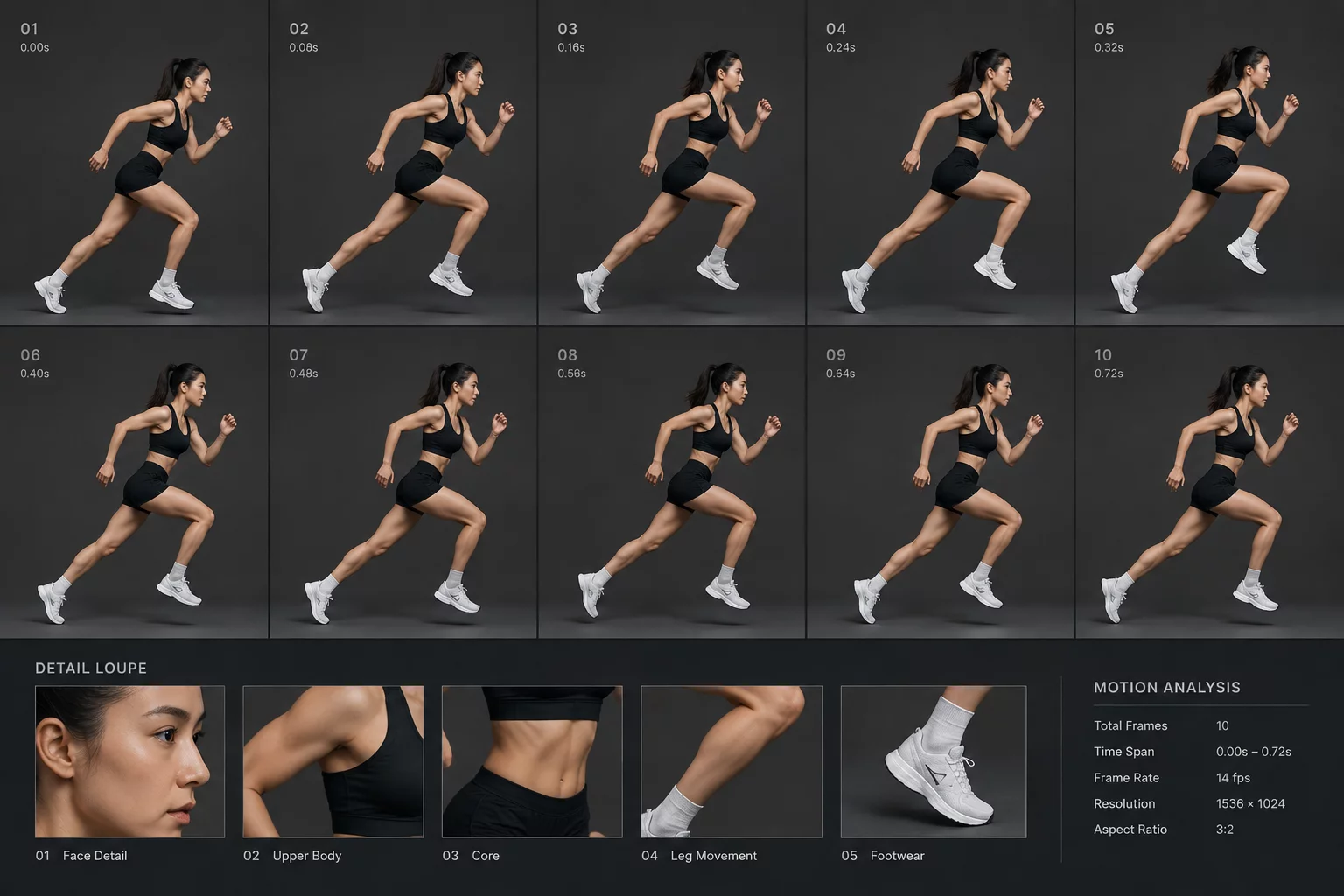
Burst Rate Action Shot Evaluation
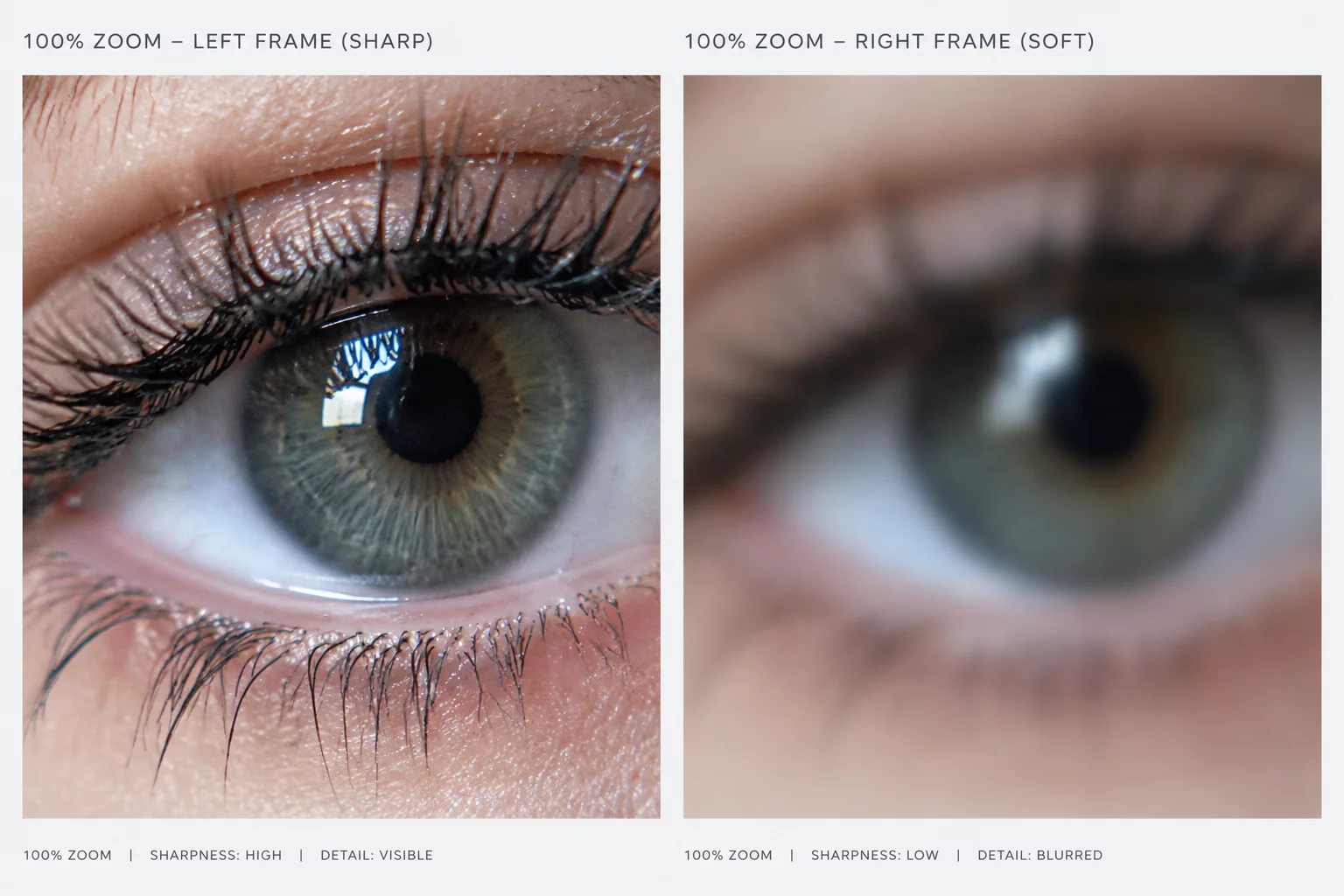
Depth of Field Falloff and Critical Focus Auditing
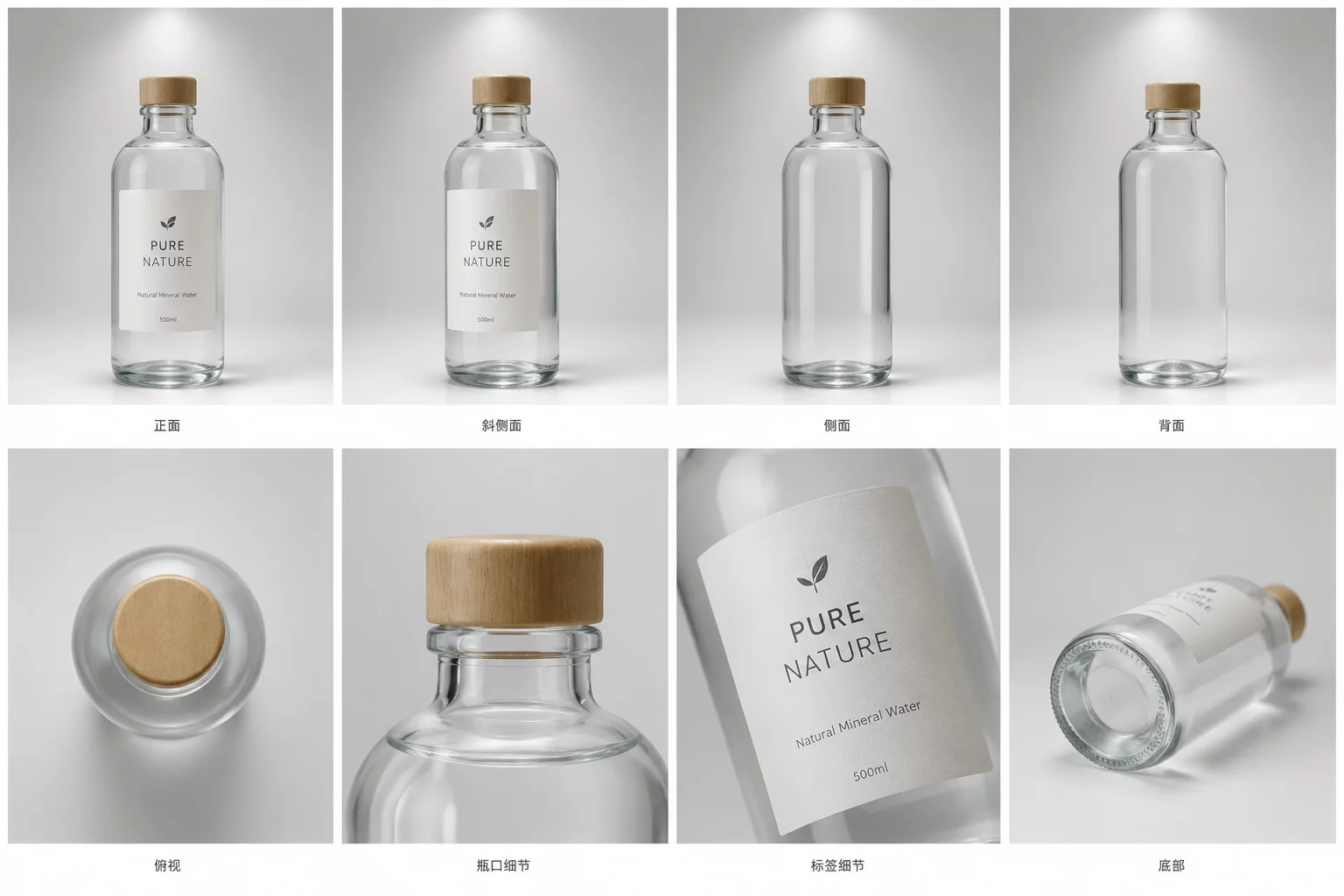
Commercial Packaging Angle Elimination
Elena Rostova
Lead CuratorThe 3-point anatomical gating protocol significantly compressed our studio portrait review cycle. Isolating upper eyelid tension on Pass 1 eliminated 42% of false-smile frames before metadata tagging, preserving visual focus for final client deliverables.