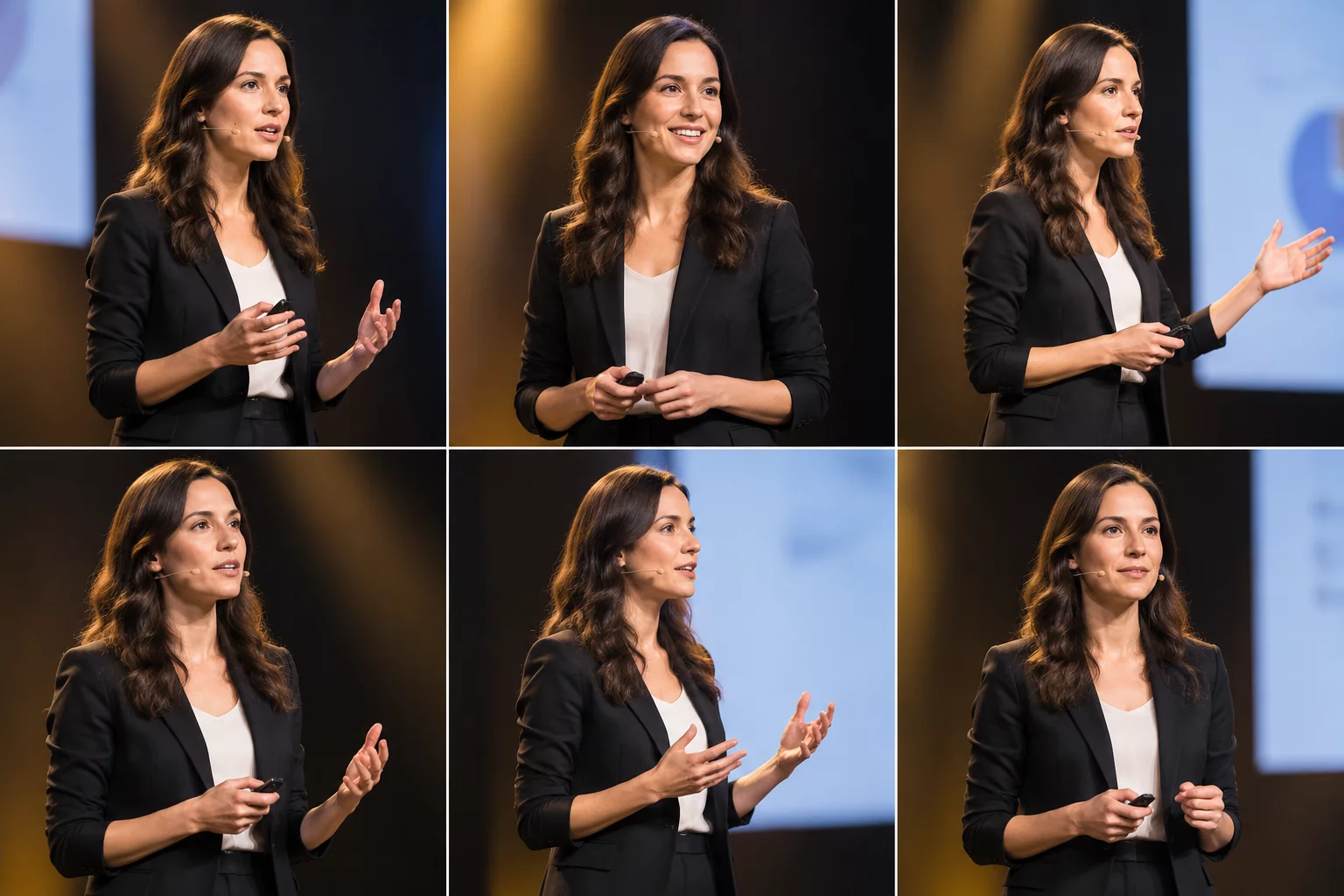
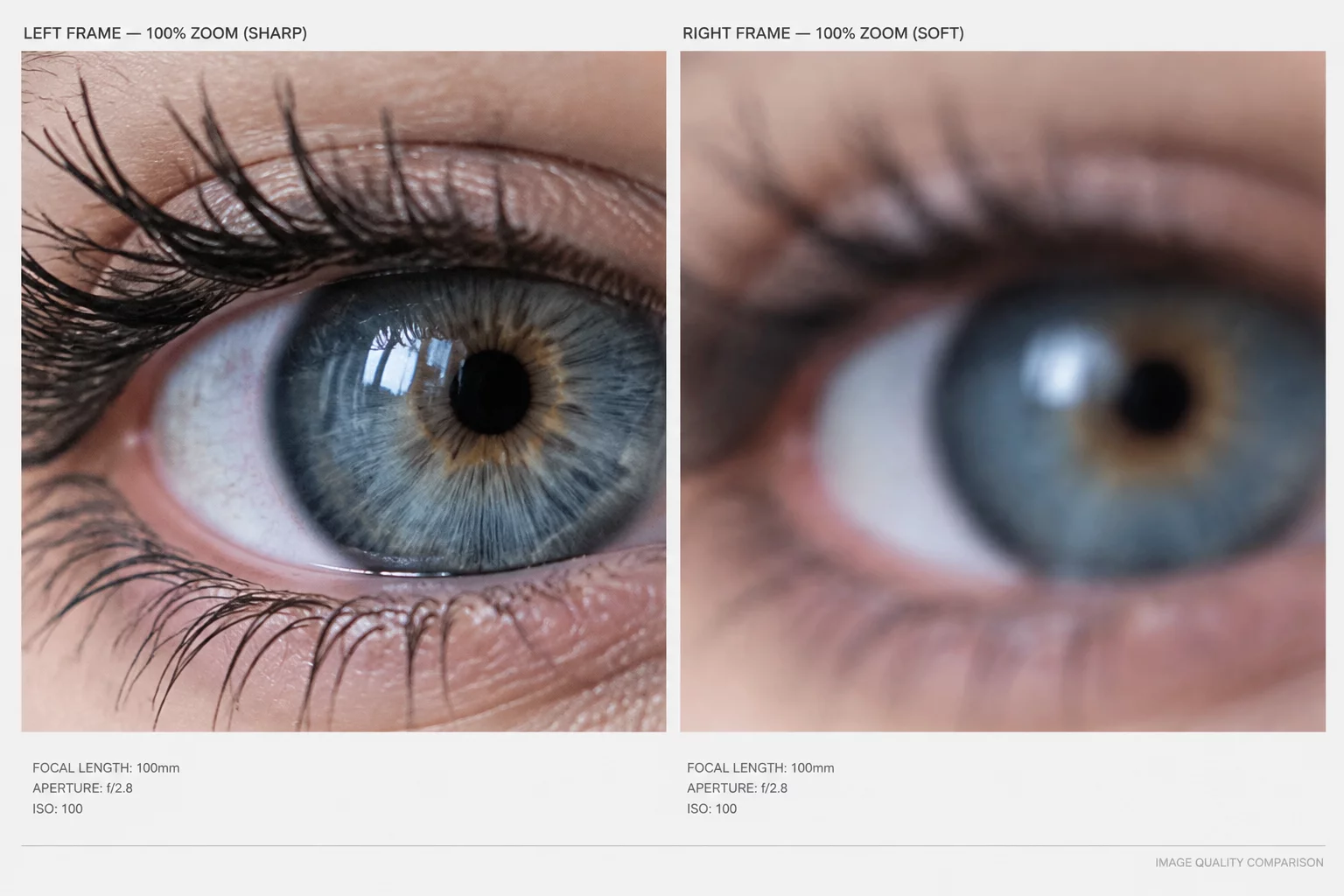
Live auditorium stages pose continuous technical difficulties for image editors. Powerful overhead LED spotlights frequently generate harsh specular reflection on foreheads while handheld wireless microphones cast distracting angular shadows across the speaker chin. During the first technical triage pass, editors run a synchronized 100% loupe view locked specifically onto the presenter leading eye pupil and microphone casing.
Shutter speeds below 1/500s often retain slight movement trails along moving fingertips despite a sharp face. All frames showing micro-motion softness along the primary hand gesture receive an immediate red flag reject tag. If stage wash lighting clips skin texture beyond recovery or the speaker moves into an unlit perimeter zone, the capture is excluded before editorial grading begins.
Keynote Technical Thresholds
- Baseline Shutter Speed
- 1/500s minimum to freeze rapid hand articulation
- Loupe Anchor Target
- Downstage eye iris and lavalier mic boom
- Specular Exposure Cap
- No highlight clipping on forehead or bridge of nose
- First-Pass Elimination
- 41% of frames dropped in initial mechanical sweep
Continuous 12 to 20 fps motor bursts capture every fractional syllable a speaker pronounces. Human speech involves dozens of rapid transitional mouth shapes every second. Viewed as static pictures, mid-word pronunciations frequently resemble grimaces, strained lip pursing, or slack jaw drops that misrepresent the presenter competence.
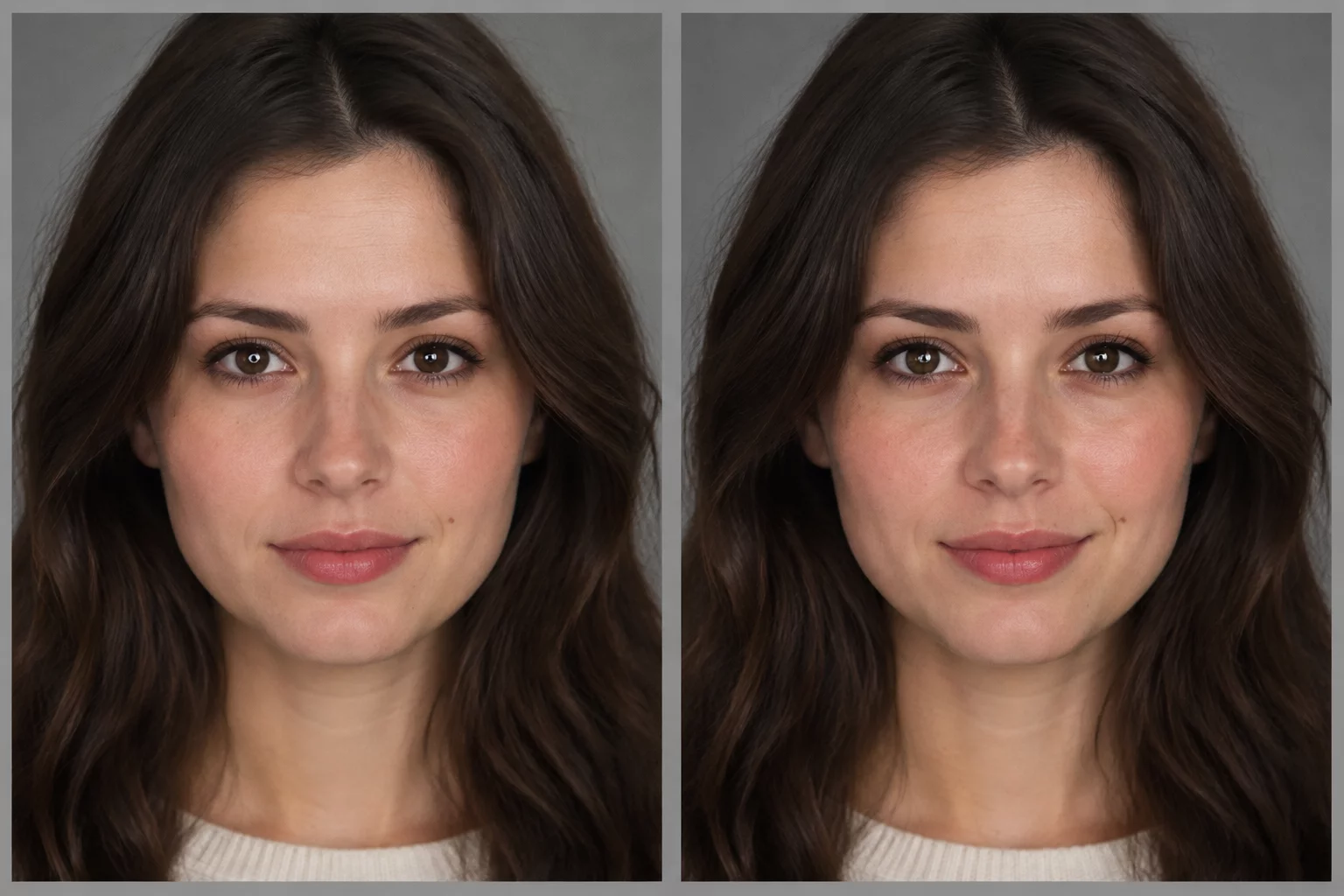
- Eye aperture integrity: Confirmation that eyelids remain completely open with distinct catchlights, rejecting half-blink downward sweeps.
- Resting mouth geometry: Verification that lips form stable conversational phonemes without tongue protrusions or asymmetrical tension.
- Head tilt neutrality: Assessment of neck inclination to avoid chin drops that create unnatural skin bunching against collar lines.
Qualified candidates from this phase receive yellow rating flags. Editors immediately bundle them into small variant sets in Capture One to inspect tiny variations in pupil direction, ensuring the speaker gaze directs purposefully toward the auditorium rather than glazed upward into spotlight beams.
Gestures communicate authority when hands remain within the conversational strike zone between mid-torso and sternum. When presenters push palms directly toward wide-angle optics, perspective distortion turns knuckles disproportionately large. Our selection criteria eliminate clawed fingers, defensive self-touching lapel adjustments, and single-finger reprimand gestures.
Stage placement completes the balance check. Frames where the presenter turns their spine away from the hall to read slide text directly off backdrop monitors are discarded. The final green selects display open palms, balanced bilateral shoulder lines, and clear visual separation from podium edges or background projection clutter.
Apply these selection questions in your workspace: Selection Passes and Variants in Capture One.
Selection Passes and Variants in Capture One
Study our full field manual on setting up star gates, color filters, and dual-monitor comparison workspaces for high-volume shoots.
Burst Rate Action Shot Evaluation
Subtle Micro-Expression Variations in Studio Portraits
Depth of Field Falloff and Critical Focus Auditing

No field notes yet. Be the first to leave an observation.