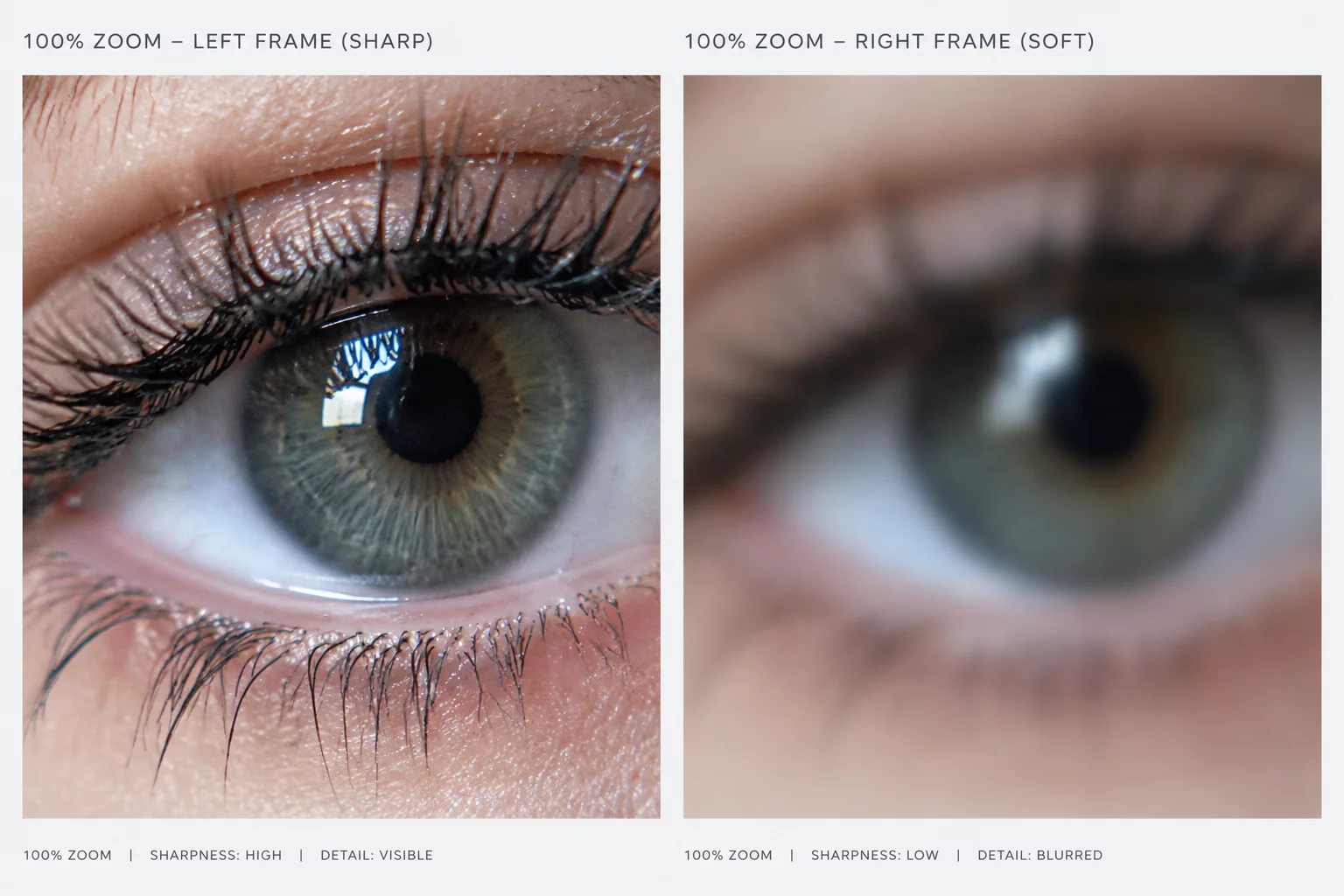
High-aperture primes introduce microscopic margins of error that standard thumbnail navigation completely obscures. When inspecting portrait sessions shot at wide apertures, a capture evaluated at fit-to-screen magnification frequently appears crisp because high contrast boundaries deceive human vision. Only dedicated 100% loupe verification over high-contrast micro-detail reveals whether the actual focal plane rests on the iris or drifted onto the brow bone.
Establishing this gatekeeper in the initial technical pass prevents costly retouching interventions downstream. If an image misses critical focus on the primary subject plane, aesthetic merit cannot rescue commercial deliverables. Editors eliminate these frames immediately before rating facial expression or emotional resonance.
Technical Audit Parameters
- Minimum Inspection Scale
- 100% 1:1 Pixel Mapping (200% for high-density sensors)
- Primary Audit Target
- Eyelash root definition and pupil specular catchlight
- Falloff Tolerance
- Strict rejection if critical plane drifts >15mm behind ocular plane
- Pass Stage Assignment
- Stage 01: Pure Technical Culling (Pre-Metadata)
Maintaining consistent screen traversal habits preserves reviewer endurance across thousands of high-resolution RAW files. The auditor locks the inspection loupe to the primary point of intent, navigating frame variants with hotkey increments while watching the transition between sharp texture and bokeh decay.
- Lock loupe position to the nearest eye pupil across all consecutive burst captures.
- Distinguish true lens chromatic aberration from optical soft focus caused by micro-motion.
- Reject frames where spherical aberration destroys fine pore structure on commercial beauty crops.
Once the plane passes this inspection, the frame advances directly into the secondary expression pass. If the plane falters, mark the frame with an instant technical rejection tag without evaluating wardrobe or smile nuance.
In environmental portraits, falloff characteristics may serve narrative depth. However, commercial packaging and editorial assignments demand unambiguous clarity across designated branding anchors. Auditors verify whether secondary planes of interest remain legible according to client brief specifications.
When auditing group portraits or multi-layered compositions, the depth of field audit checks whether all tier-one subjects fit within the circle of confusion. Any variant straddling the blur perimeter receives an immediate comparative rating against adjacent bracketed exposures.
Apply these selection questions in your workspace: Selection Passes and Variants in Capture One.
Capture One Selection Passes Guide
Explore our comprehensive walkthrough on setting up custom shortcut sets, synchronized loupe navigation, and color-tagged smart albums.
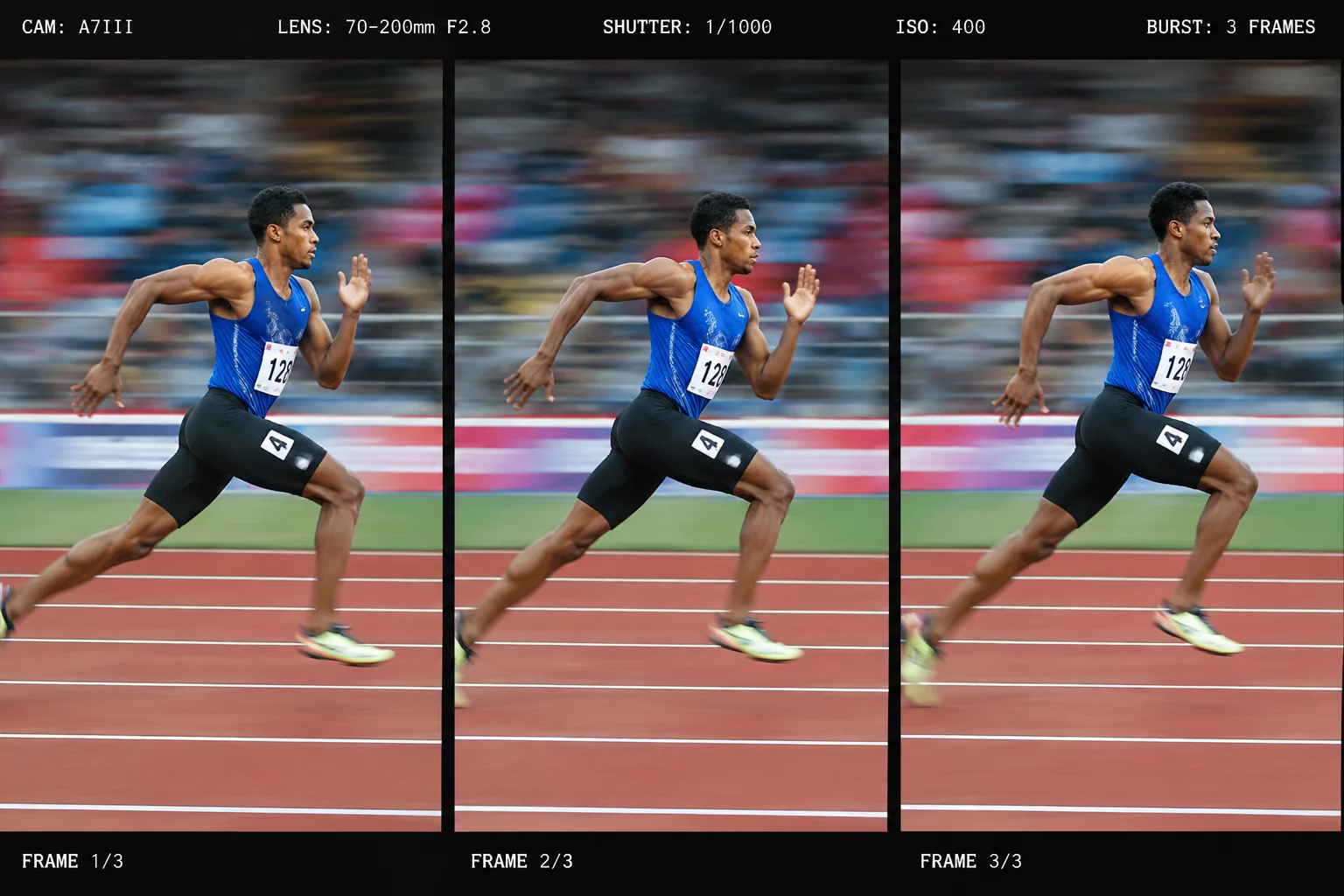
Burst Rate Action Shot Evaluation
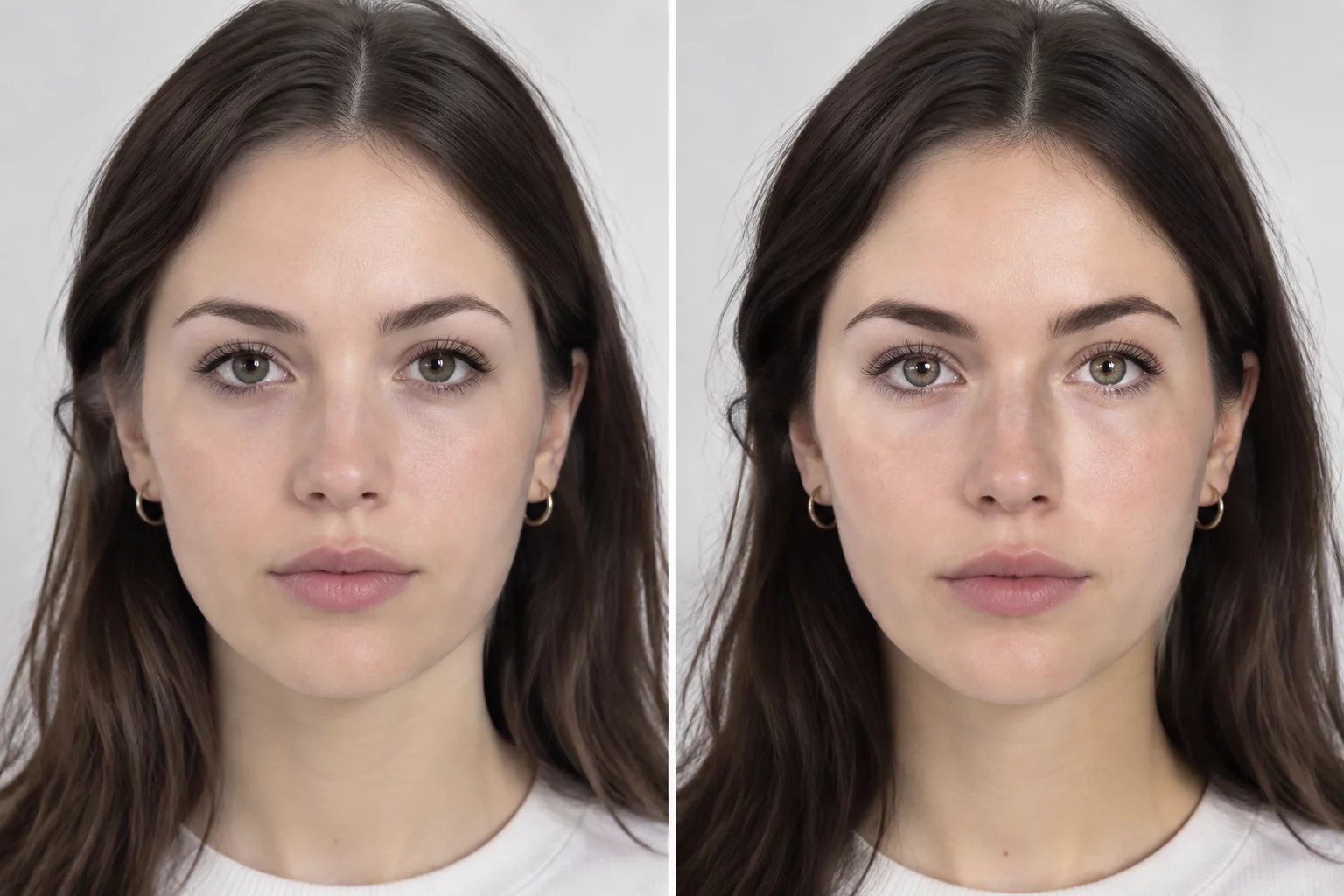
Subtle Micro-Expression Variations in Studio Portraits

Commercial Packaging Angle Elimination

No field notes yet. Be the first to leave a comment.