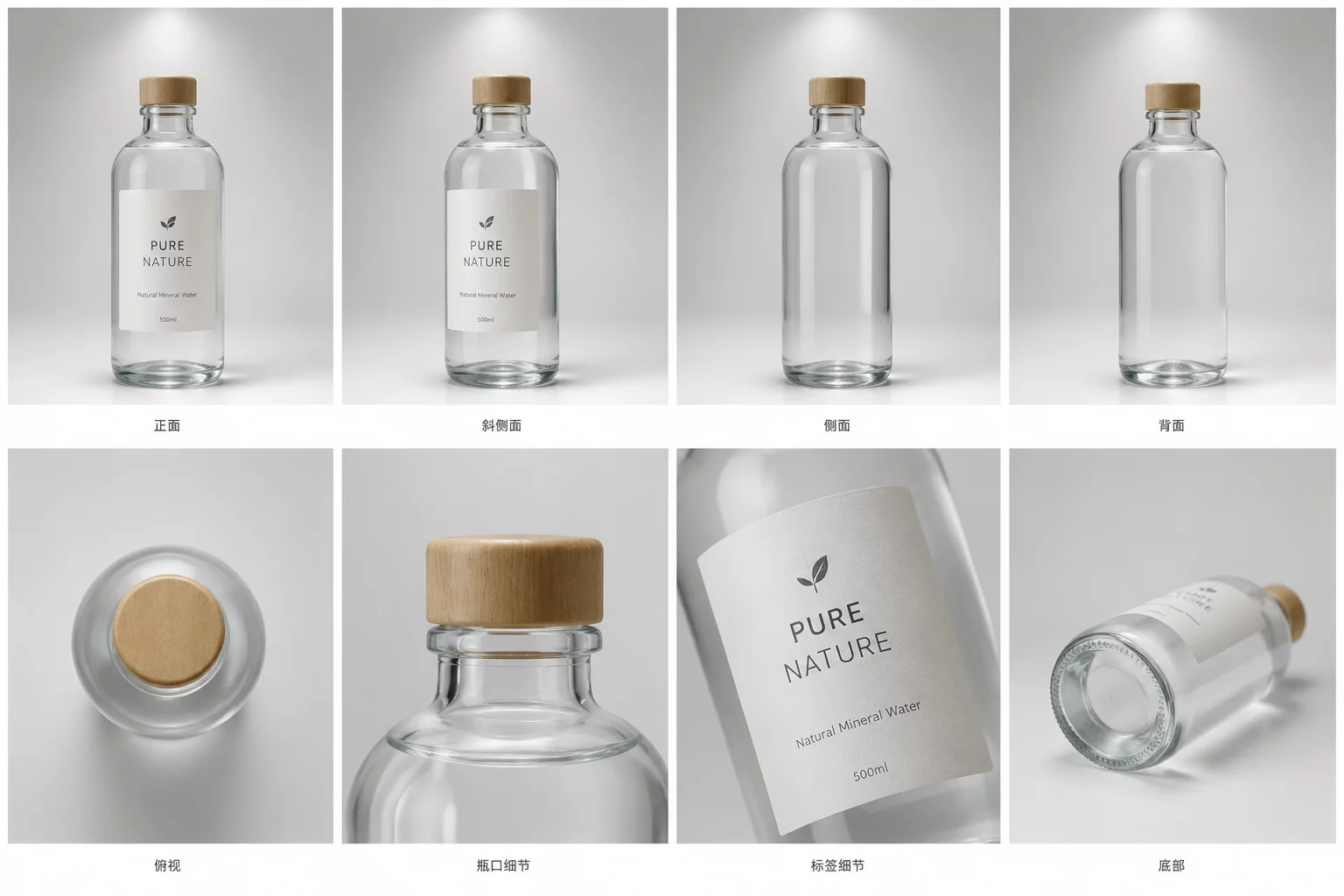
Commercial packaging culling begins with high-magnification verification of typographic fidelity across embossed labels, metallic foils, and semi-gloss laminate surfaces. Strobe diffusion panels often produce micro-reflections that obliterate fine regulatory copy or blur critical barcode lines.
Triage specialists inspect every variant at 100% loupe scale to separate intentional rim accents from destructive specular washouts. When a highlight bleeds across primary brand typography or shifts print color values, the frame receives an instant red tag and drops out of further consideration.
Packaging Quality Benchmarks
- Highlight Tolerance
- Zero blown-out pixels across primary branding logos
- Axial Tilt Limit
- Strict maximum 0.3° vertical keystone deviation
- Color Cast Guard
- ΔE < 0.7 variance against master physical packaging proof
- Edge Falloff
- Unbroken silhouette contrast for automated clipping paths
Even minor turntable misalignments or camera tilt discrepancies disrupt uniform product arrays in retail catalogs. A bottle photographed two millimeters off-axis introduces asymmetrical shoulder slopes that clash noticeably against neighboring packaging units.
- Audit container sidewall vertical parallelism using overlay grid guides.
- Verify closure cap threading and bottle shoulder symmetry at 100% crop.
- Inspect ground contact shadows for natural density and clean horizon transitions.
Side-by-side variant comparisons in Capture One quickly highlight subtle perspective discrepancies. Frames that exhibit unwanted bottom taper or inconsistent elliptical rims are removed early, preventing awkward composition mismatches during multi-product assembly.
Glass bottles and high-gloss packaging present reflective challenges when studio fill cards scatter light across dark product edges. Secondary passes isolate frames where diffuse reflections contaminate translucent product liquids or dissolve container outlines into the white backdrop.
Retaining natural ground shadow depth saves hours of manual re-creation during composite retouches. Exposures showing abruptly clipped penumbras or secondary ghost shadows from auxiliary light modifiers are eliminated before shortlisting.
Apply these selection questions in your workspace: Selection Passes and Variants in Capture One.
Commercial Shortlist Frameworks
Discover how to bundle hero packaging angles, macro texture crops, and clean catalog alternates into clear proofing sets without decision fatigue.
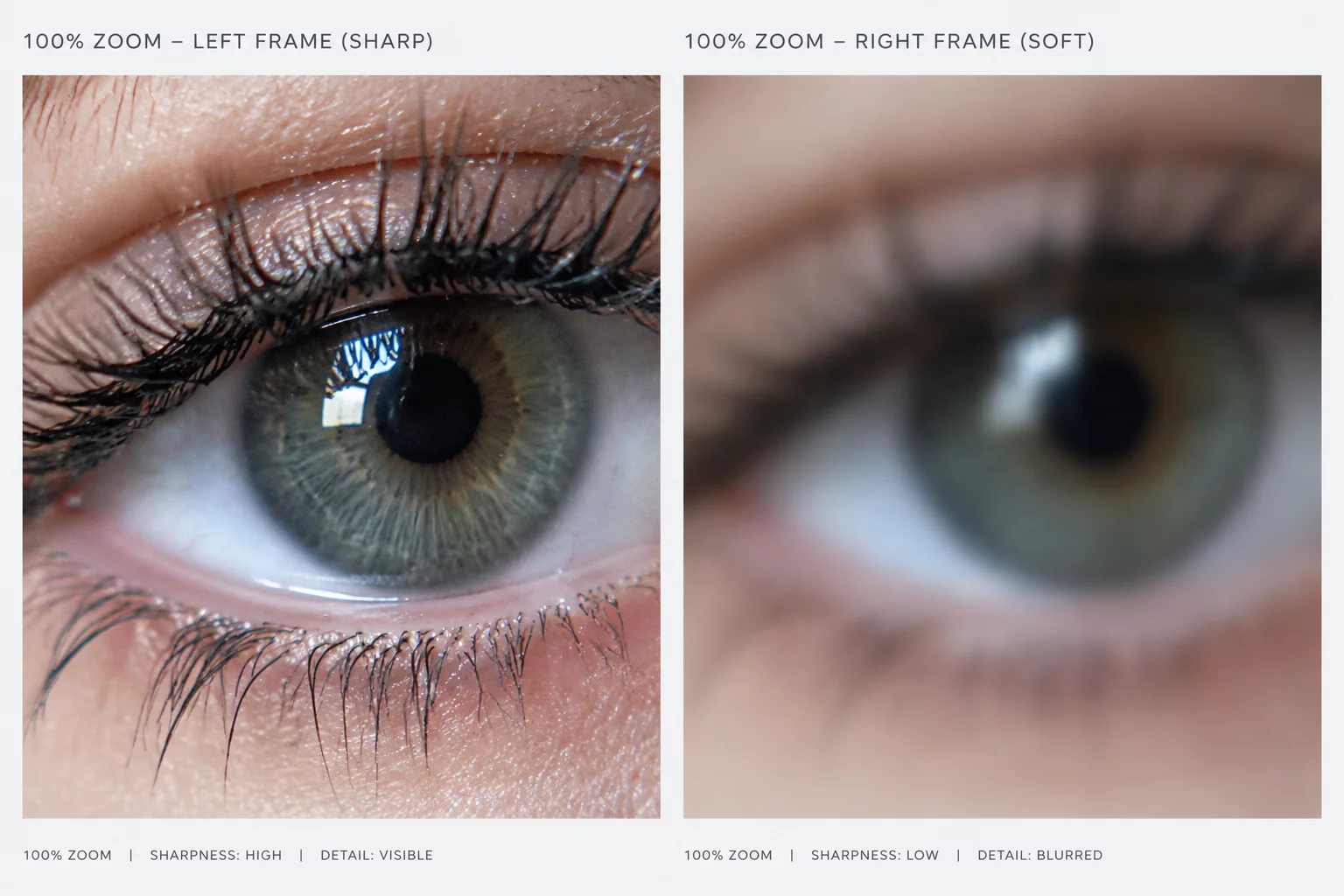
Depth of Field Falloff and Critical Focus Auditing
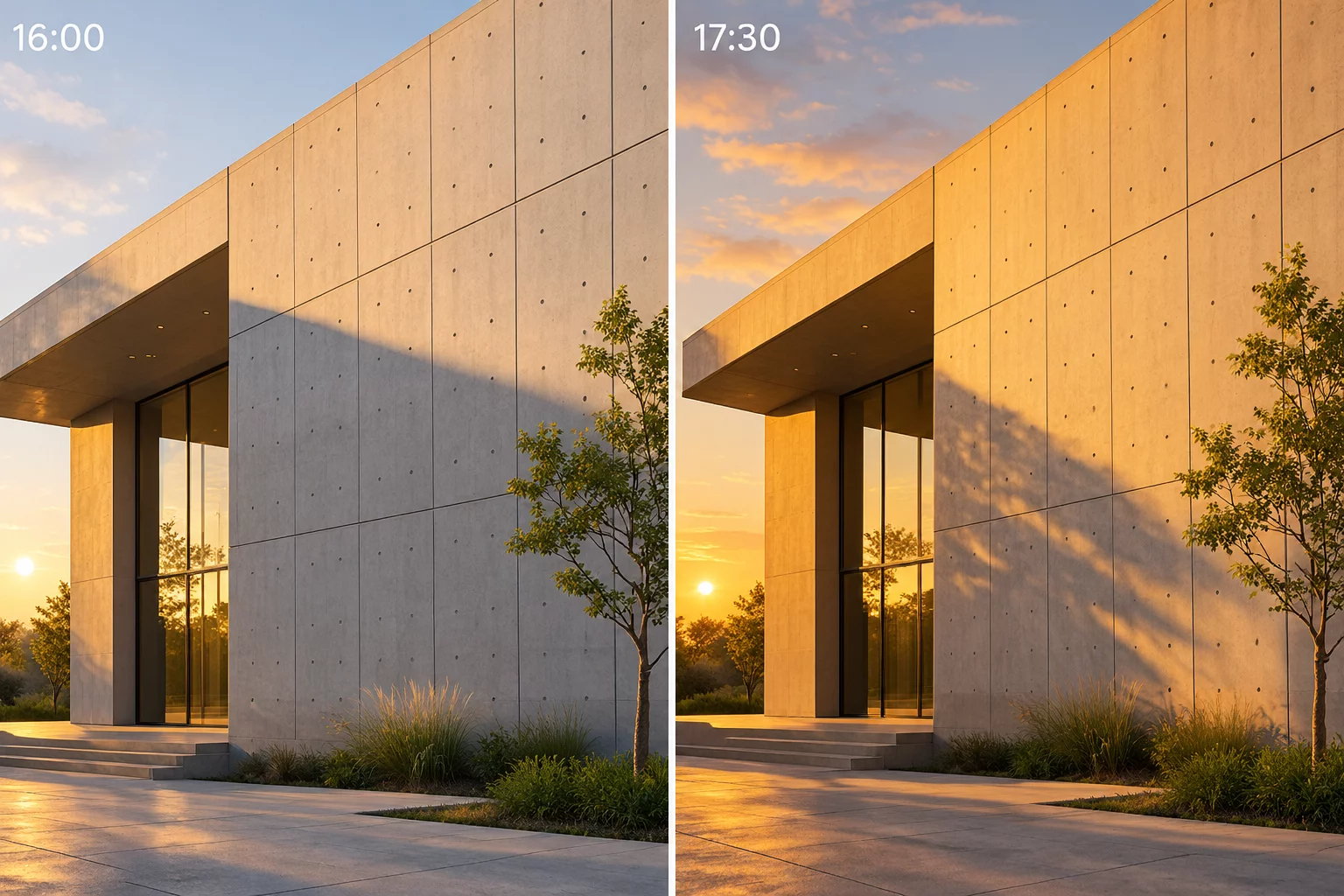
Architectural Shifting Light and Shadow Comparison
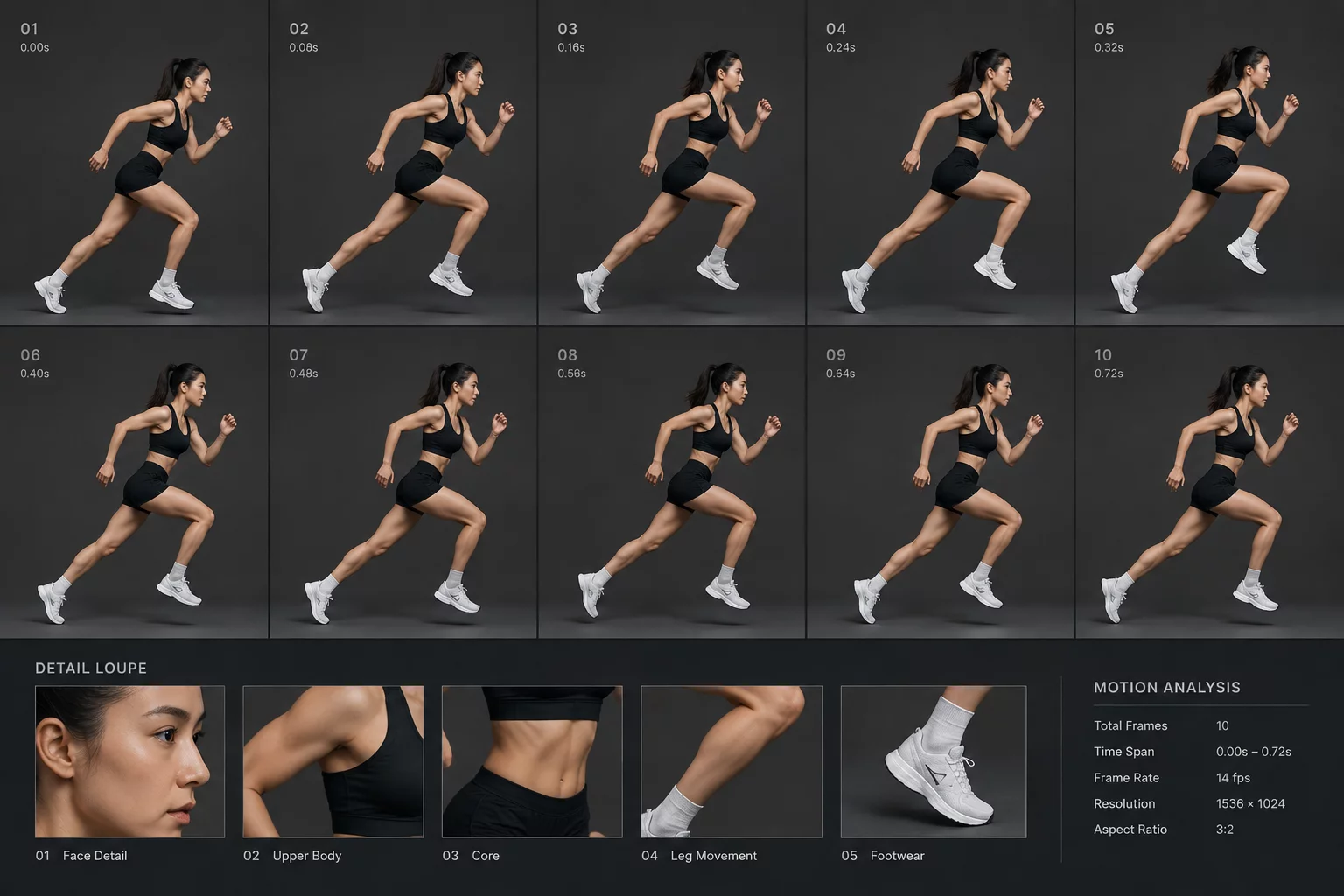
Burst Rate Action Shot Evaluation

Elena Rostova
Lead CuratorEliminating hot spot glare on foil-stamped carton shoulders during Pass 1 saved our retouching team days of reconstructive painting. Rejecting 35% of the captures due to subtle axial keystoning before presenting the gallery to the brand director established complete confidence in the remaining alternates.
David Kelling
Digital TechFor clear glass flacons and cosmetic jars, inspecting the transition of the drop shadow onto the white sweep under 100% loupe is essential. Any exposure with an interrupted shadow gradient was pruned immediately to preserve catalog consistency.