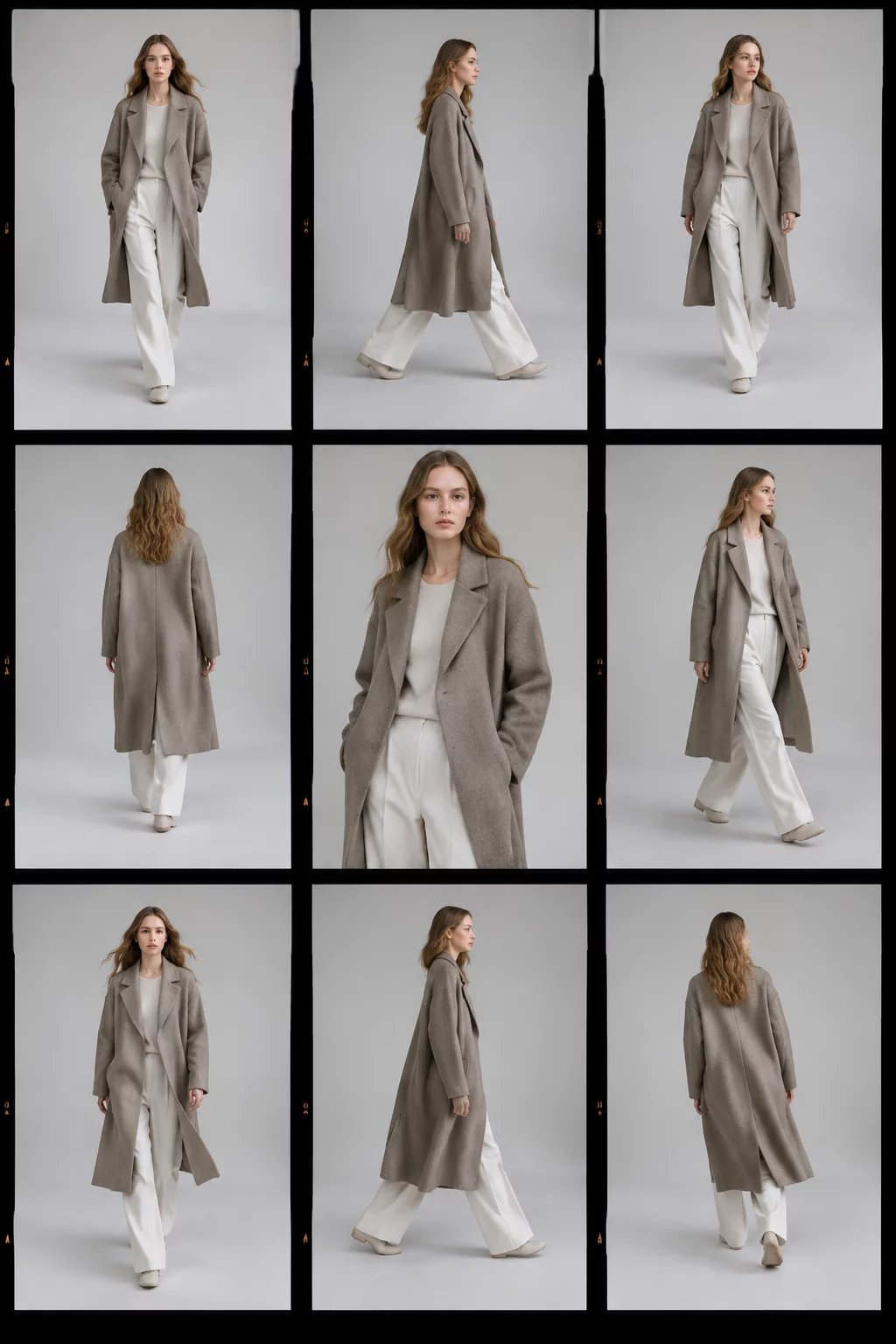
In high-cadence lookbook productions, walking shots generate thirty to fifty captures per outfit. The primary point of failure is rarely technical softness; rather, it is the awkward transition phase of the human stride. When the lead foot lands with heel impact, shockwaves travel upward into trousers and outerwear, creating bunching and breaking the vertical drape.
Our protocol mandates auditing the suspension apex: the precise millisecond where the forward foot hovers a fraction of an inch above the floor while the trailing leg maintains an elongated, elegant diagonal line. Frames captured outside this window are eliminated immediately during the initial geometry triage.
Technical Baseline & Capture Parameters
- Shutter Velocity
- 1/1600s to freeze hem oscillation
- Burst Ratio
- 14 fps sequential continuous drive
- Inspection Zoom
- 50% for drape flow, 100% for buttons and seams
- Culling Gate
- Rejection of heel-strike ground compression
Even with precision tailoring, active motion produces unpredictable mechanical stresses across textile weaves. A walk cycle that appears graceful to the naked eye often creates horizontal pull wrinkles across the chest or groin in high-resolution captures.
- Lapel and Placket Alignment: Confirming buttons stay flat without diamond-pattern tension creases.
- Hemline Continuity: Ensuring coats and skirts display fluid parabolic curves without sharp angular kickouts.
- Shoulder Seam Positioning: Verifying the armhole seam rests directly over the acromion without backward roll.
Rejecting frames with fabric buckling saves hours of costly digital manipulation during commercial retouching. If an otherwise expressive capture displays severe tension lines around the waist fastener, it is discarded in favor of a cleaner silhouette variant.
Applying the standardized SelectPass workflow ensures rapid elimination of compromised variants: All Captures undergo an immediate Technical Pass for edge sharpness, followed by the Stride & Tension Pass, leading directly to Similar-Frame Comparison under side-by-side split screens.
In the final shortlist stage, the remaining four candidate frames are assessed for subtle garment movement vitality. The keeper frame must combine an effortless stride line with pristine textile presentation that communicates the true cut of the garment.
Apply these selection questions in your workspace: Selection Passes and Variants in Capture One.
Explore Selection Passes and Variants
Review the comprehensive guide on structuring Capture One color flags, star ratings, and variant groups for fast-paced commercial shoots.
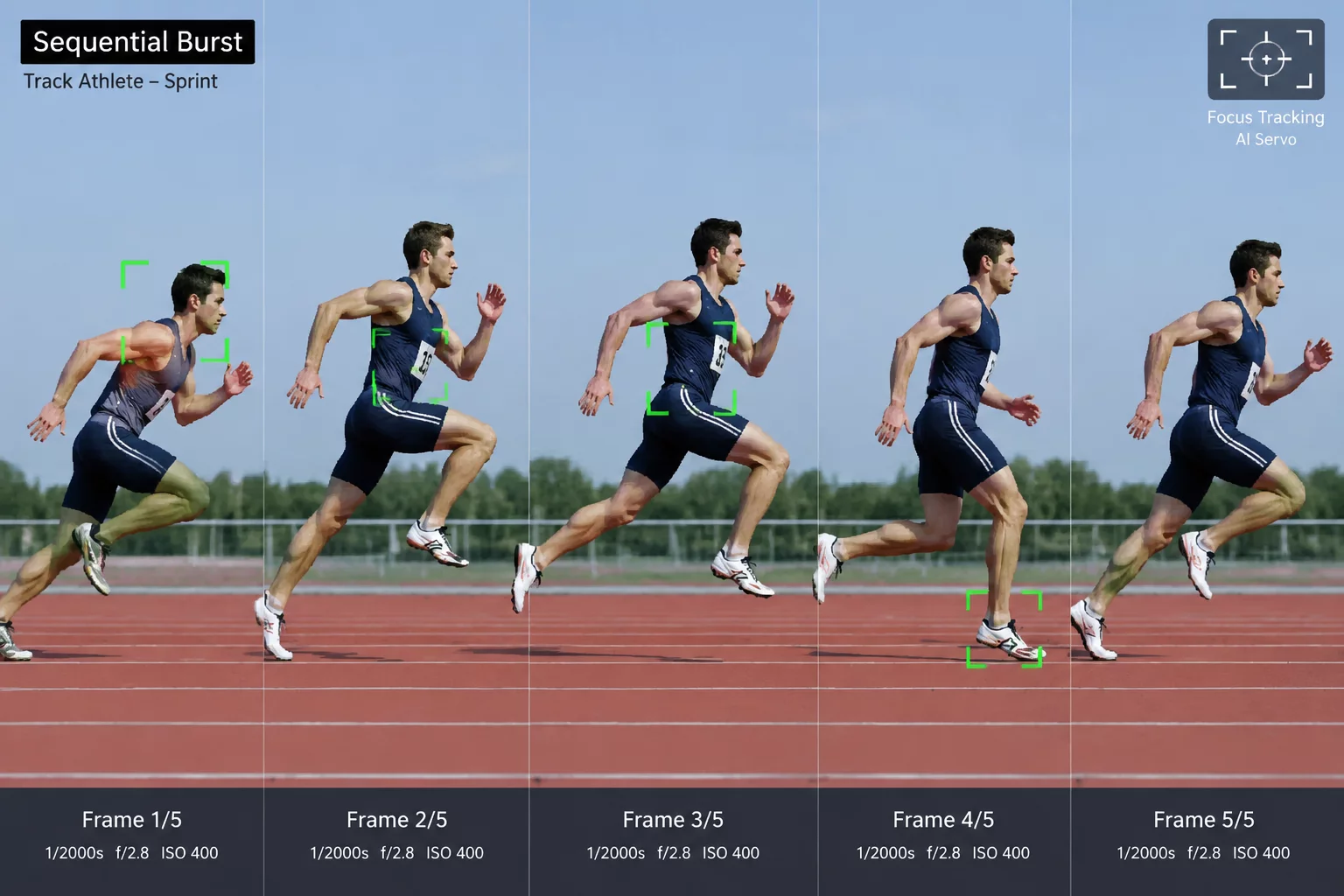
Burst Rate Action Shot Evaluation
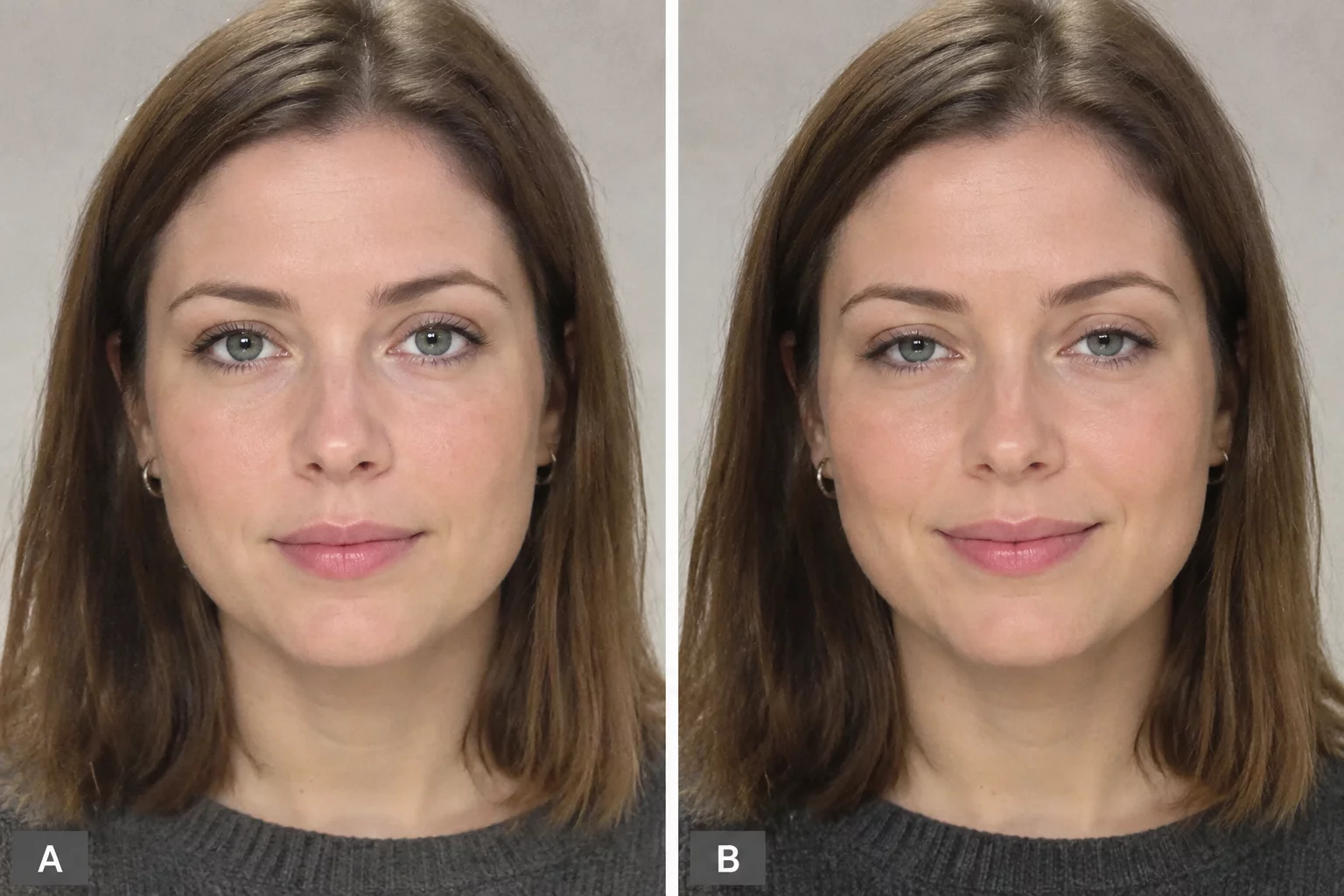
Subtle Micro-Expression Variations in Studio Portraits
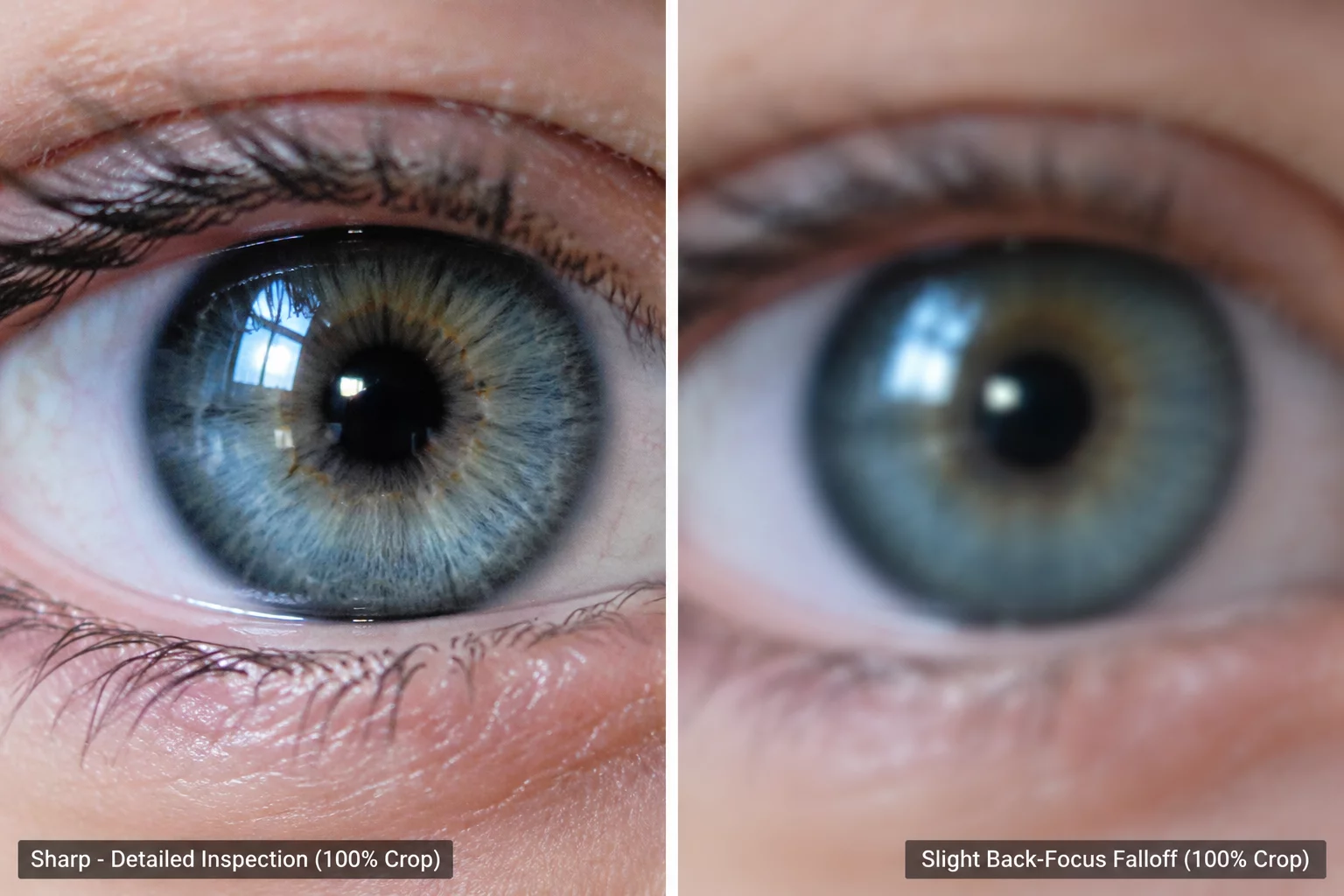
Depth of Field Falloff and Critical Focus Auditing
Elena Rostova
Lead CuratorThe stride suspension check completely altered our lookbook triage time. Filtering out the heel-strike frames immediately stripped out 38% of unusable walking bursts before we even evaluated garment wrinkles.