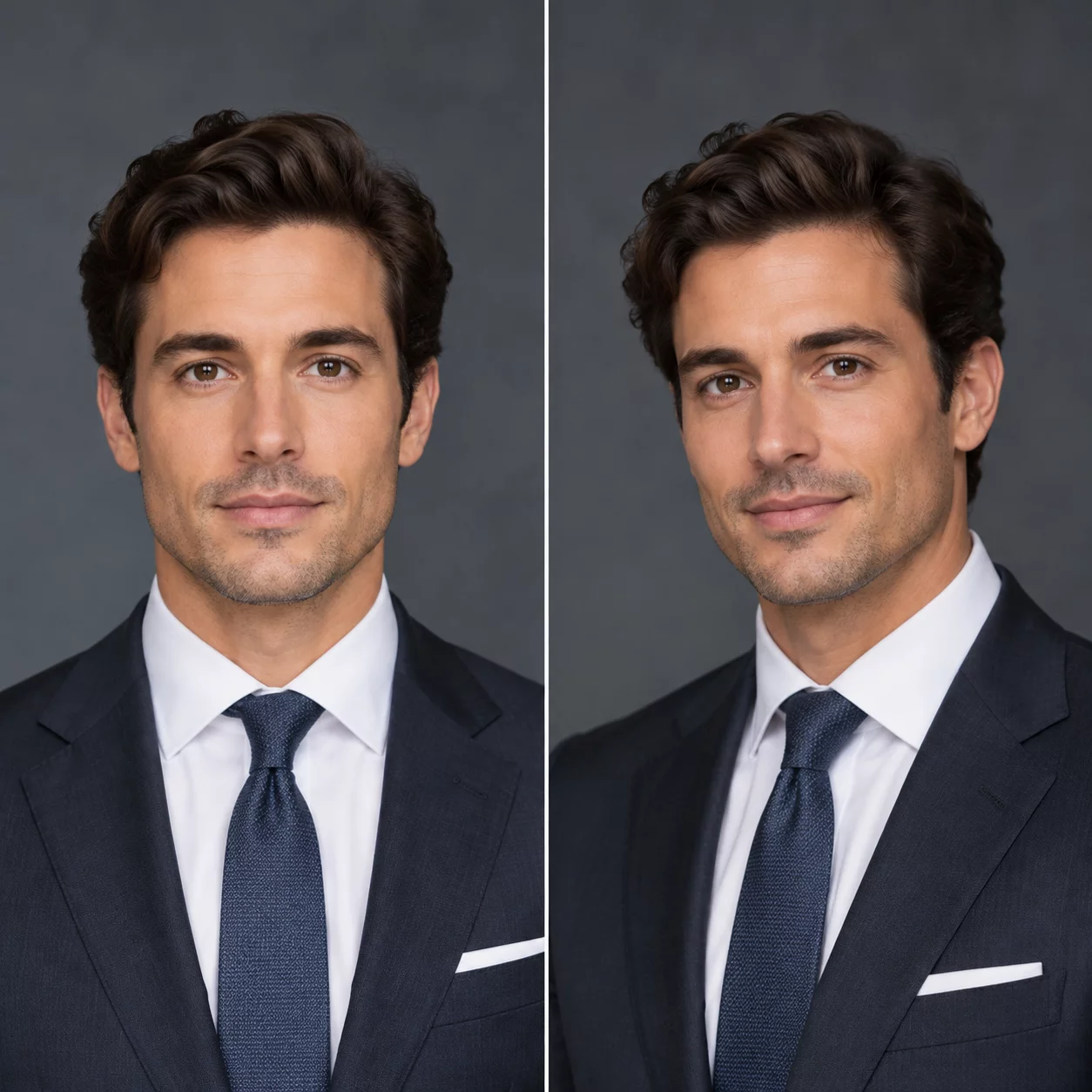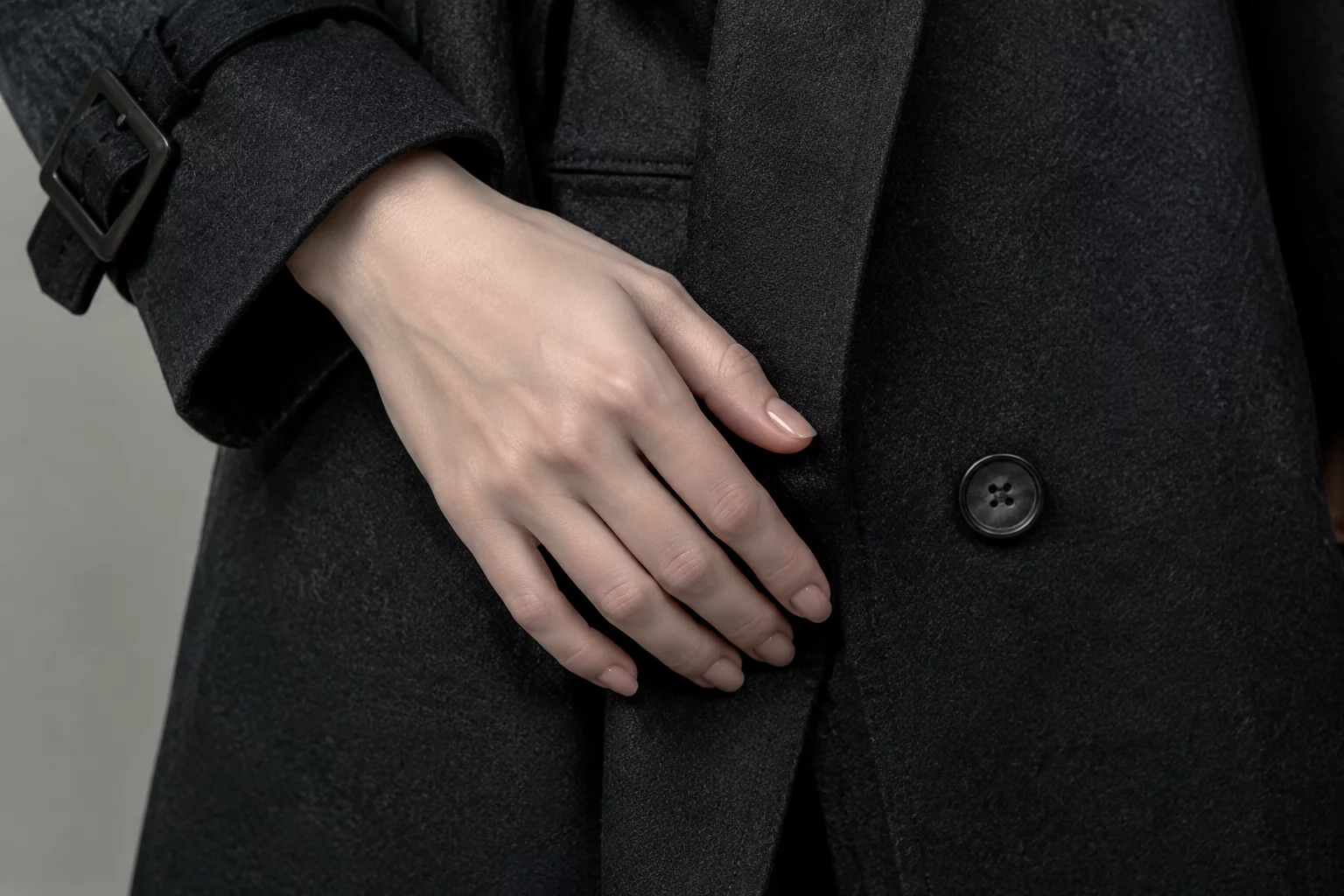
In editorial and luxury fashion captures, hands frequently serve as visual anchors that either substantiate relaxed sophistication or expose session fatigue. Models holding prolonged postures inevitably experience involuntary muscle loading, which migrates outward to wrists and phalanges. An otherwise impeccable expression becomes compromised when fingers lock into stiff planar shapes or knuckles press forcefully against tailored textiles.
Beyond aesthetic distraction, excess hand pressure alters garment architecture. A tense hand resting inside a tailored trouser pocket pulls pocket mouth stitching taut, distorting front crease lines. By isolating the hand plane during initial triage passes, editors identify micro-adjustments where natural finger articulation was captured between active poses.
Triage Focus Metrics
- Contact Pressure
- Surface touch without dimpling velvet, silk, or woolen textures.
- Knuckle Alignment
- Soft stepped graduation without white blanching on joint skin.
- Wrist Continuation
- Gentle continuous forearm arc avoiding hard right-angle breaks.
- Thumb Integration
- Subtly tucked alongside palm rather than stiffly splayed outward.
When reviewing high-cadence burst exposures where facial expressions remain consistent, hand placement becomes the critical gating variable. Curators must avoid zooming in and out repeatedly across the entire canvas; instead, lock a companion loupe over the contact zone and evaluate successive frames sequentially.
- Check the separation gap between the index and middle fingers to verify asymmetric, natural resting posture.
- Confirm that fingertips do not dig into waistbands, lapels, or hips, preventing fabric creasing.
- Verify that the palm edge creates a clean silhouette without awkward foreshortening or severed limb illusions.
Applying this inspection protocol prevents retouchers from performing complex digital reconstruction on tense extremities. The select variant should present relaxed fingers that complement rather than compete with primary brand garments.
In the triage workspace, candidate frames displaying optimal hand relaxation are tagged with yellow flags, distinguishing them from acceptable technical passes marked in green. This separation ensures editorial art directors can instantly compare two adjacent frames without confusion between sharpness gates and postural refinement.
When final lookbook shortlists are compiled, frames flagged for hand tension are systematically demoted to backup archives. This systematic approach guarantees that final deliverable galleries present uncompromised commercial polish across all published layouts.
Apply these selection questions in your workspace: Selection Passes and Variants in Capture One.
Selection Passes & Variant Workflows
Read the operational protocol for configuring color flags, Loupe locks, and multi-stage triage pipelines in professional studio environments.
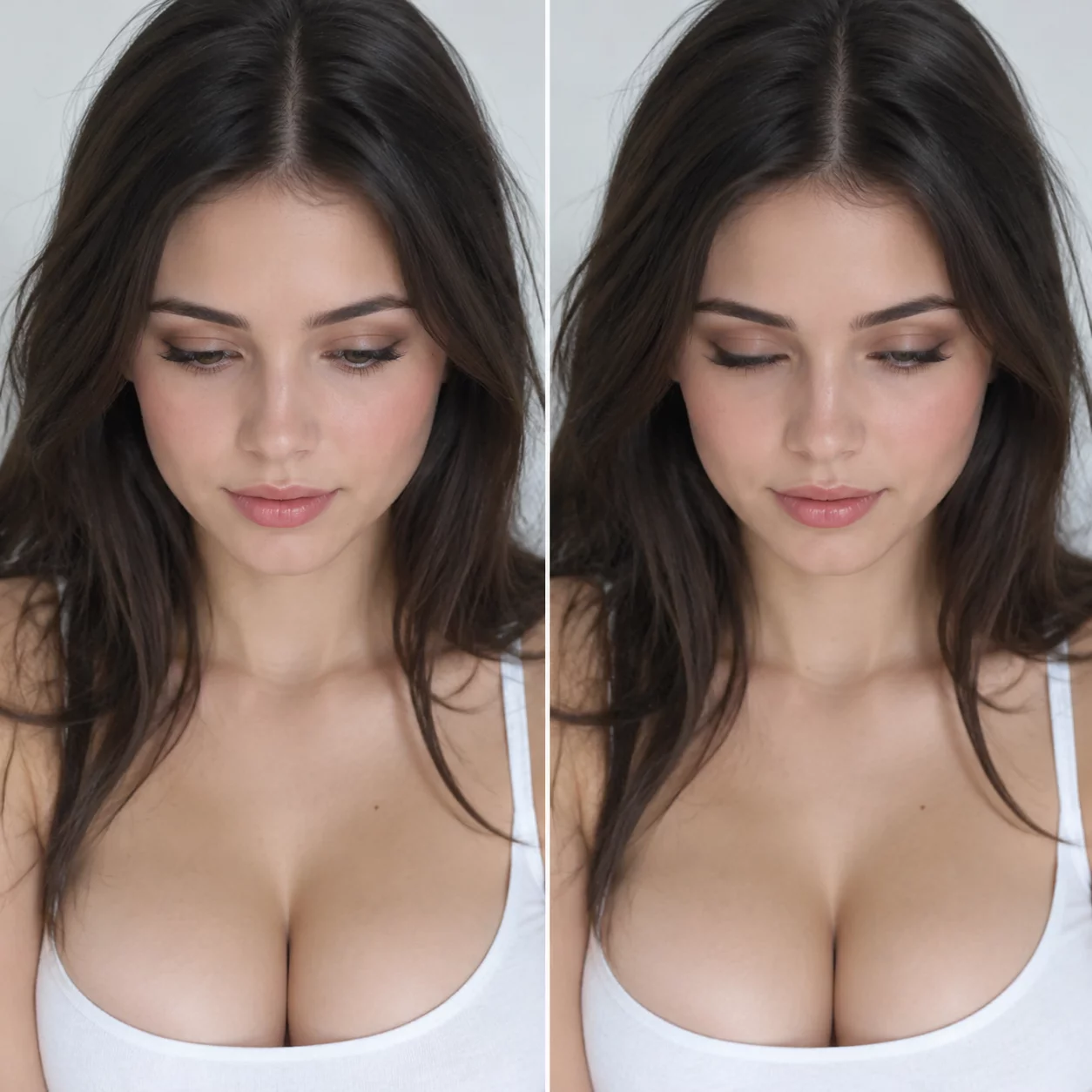
Micro-Blink Versus Intentional Downward Gaze
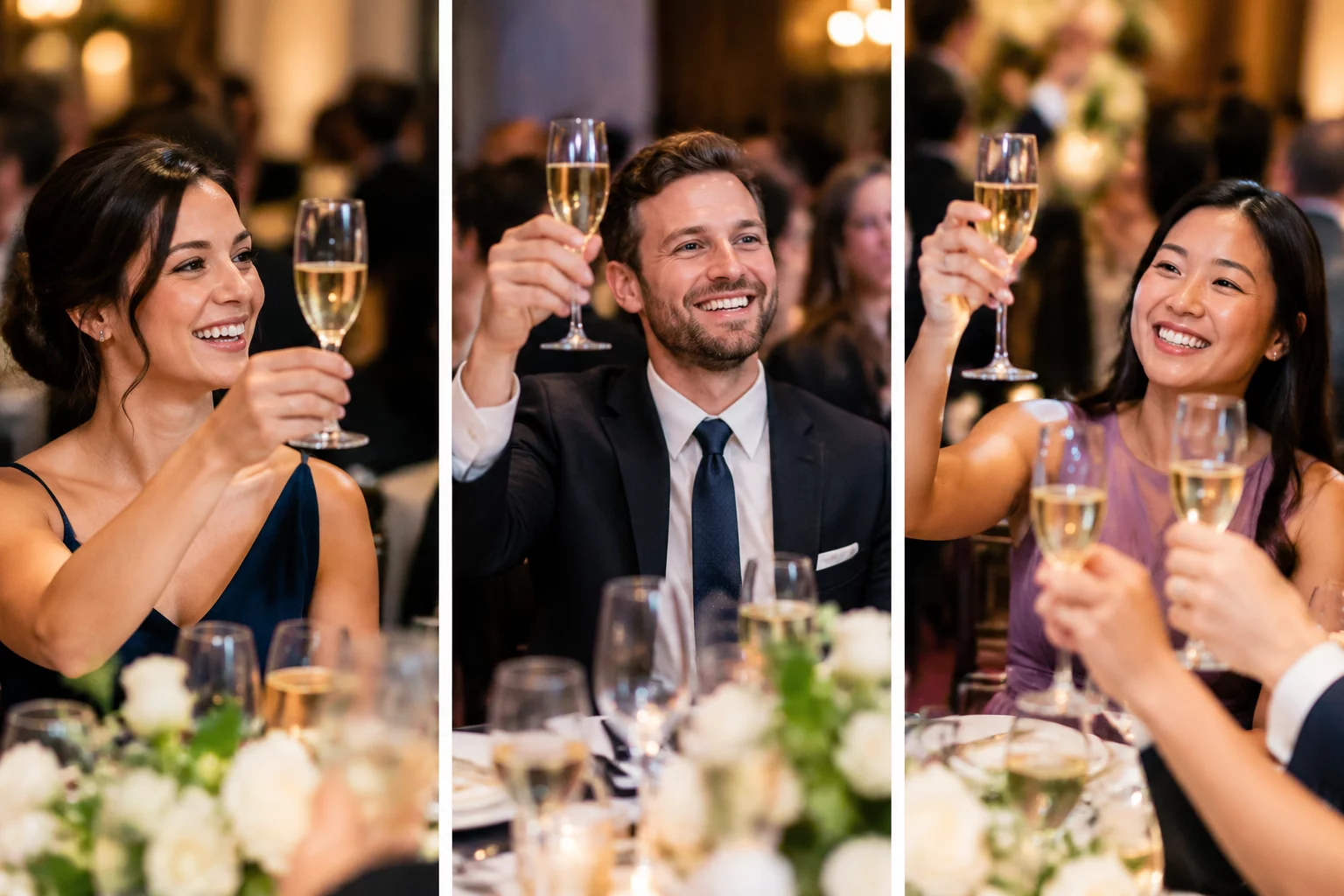
High-Speed Shutter Cadence in Event Work
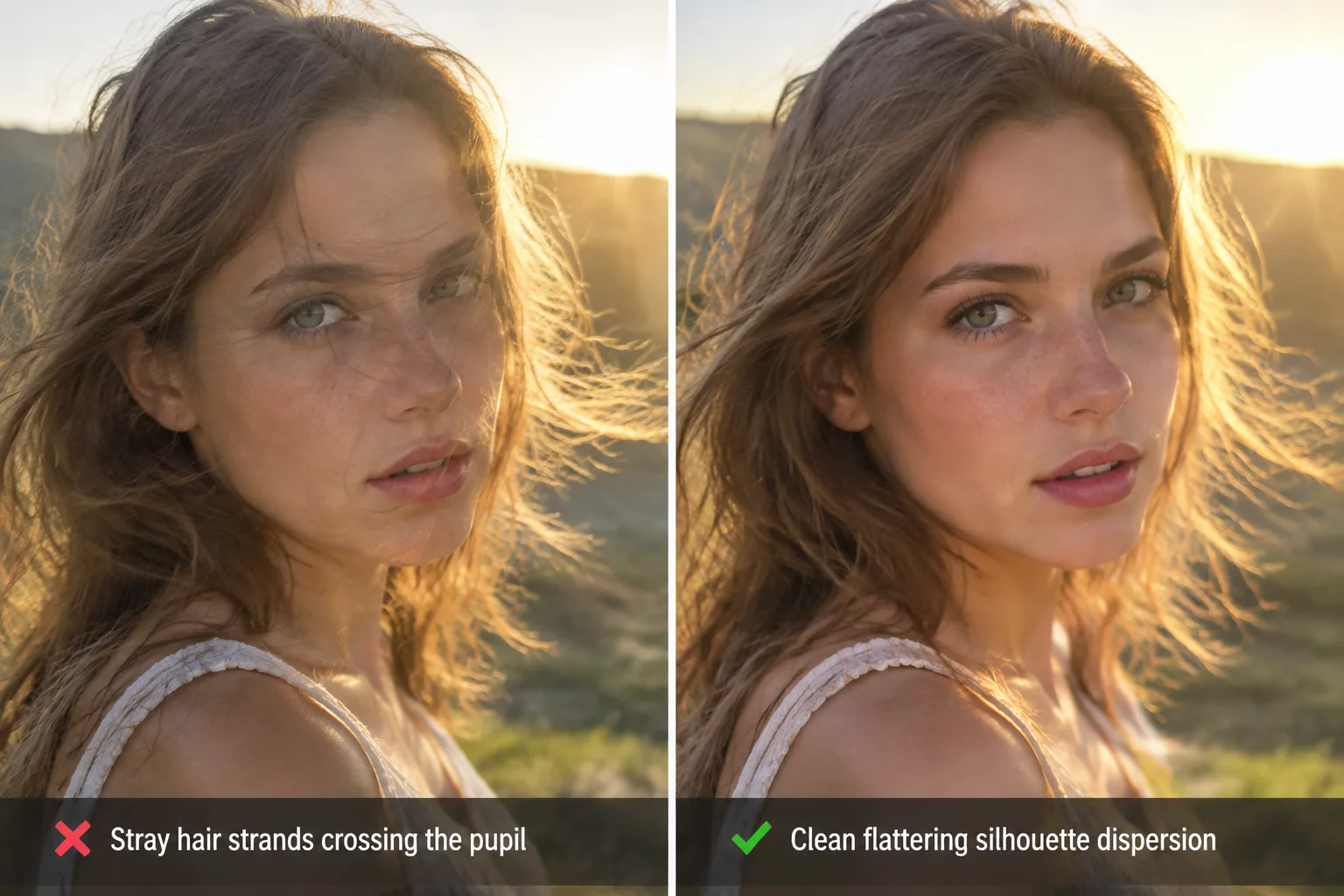
Natural Wind Hair Dispersion in Outdoor Sessions