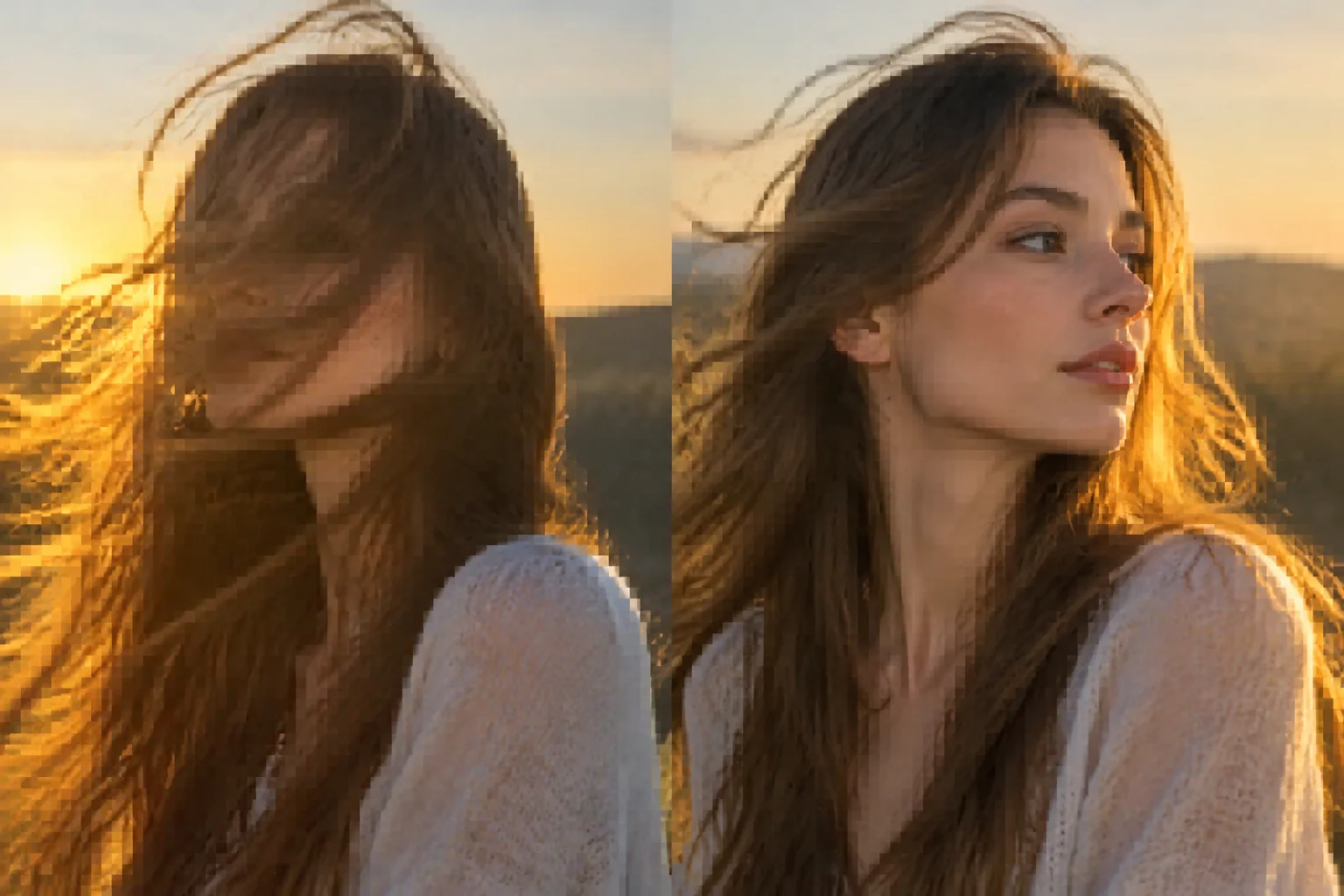
Outdoor environmental sessions inevitably balance natural movement against critical facial legibility. When variable gusts disperse fine hair strands across a subject's face, the image editor must decide within seconds whether the displacement imparts authentic lifestyle energy or ruins the image. A passing candidate guarantees an unobstructed sightline to at least the camera-proximal eye, giving viewers an immediate emotional anchor while allowing peripheral hair strands to swirl organically through negative space.
Rejection criteria become absolute whenever an errant strand slices directly through the pupil, bifurcates a catchlight, or casts an uncorrectable shadow across the iris. In studio setups with flat lighting, removing flyaways via frequency separation is routine, but dynamic natural lighting with rapid depth-of-field falloff makes retouching hair over the eye an impractical chore that frequently yields muddy skin textures and blurred lashes.
Technical Triage Thresholds
- Primary Ocular Rule
- Zero strand intersection across the key-side pupil and specular catchlight
- Facial Plane Obscuration
- Less than 15% coverage across bridge of nose and cheekbone contour
- Shutter Cadence Floor
- 1/1000s or faster to prevent micro-motion softness along individual flyaway tips
- Retouch Economy Rating
- Under 2 minutes of standard healing required on peripheral skin zones
Continuous burst shooting during windy outdoor sessions typically yields between eight and twenty near-identical frames per sequence. Attempting to grade expression and technical sharpness simultaneously during the initial review induces cognitive fatigue and leads to erratic ratings. Applying an isolated three-gate triage sequence eliminates flawed frames methodically before subtle artistic comparisons begin.
- Pass 1 (Immediate Discard): Mark and hide any frame with hair crossing directly over the iris, resting across the lips, or casting heavy linear shadows across the nasal bridge.
- Pass 2 (Root Separation Audit): Inspect hair lift along the scalp and hairline at 100% zoom to ensure organic aeration rather than flattened or clumped mats.
- Pass 3 (Silhouette Framing): Confirm that flyaway strands extend outward into background negative space without wrapping awkwardly around necklines or wardrobe edges.
Implementing this progressive protocol protects the editor from selecting a compelling expression that contains fatal technical flaws, saving dozens of hours downstream in client review rounds and final retouching delivery.
Commercial lifestyle lookbooks and editorial spreads increasingly prioritize natural, documentary-style movement over rigid studio styling. However, creative directors draw an uncompromising line between relaxed kinetic texture and careless capture discipline. Selecting the right frame requires recognizing whether wind-blown hair guides the viewer's gaze toward the subject's expression or erects a visual barrier that distracts from the campaign narrative.
When hair strands arc cleanly off the cheekbones into atmospheric rim light, they accentuate facial contours and elevate visual pacing. Curators must flag these successful frames as primary selects while archiving near-miss variants with minor strand clashes for secondary crop options.
Apply these selection questions in your workspace: Selection Passes and Variants in Capture One.
Explore Side-by-Side Variant Scenarios
Review detailed side-by-side selection case studies comparing micro-blinks, hand placements, flare shifts, and corporate angles.
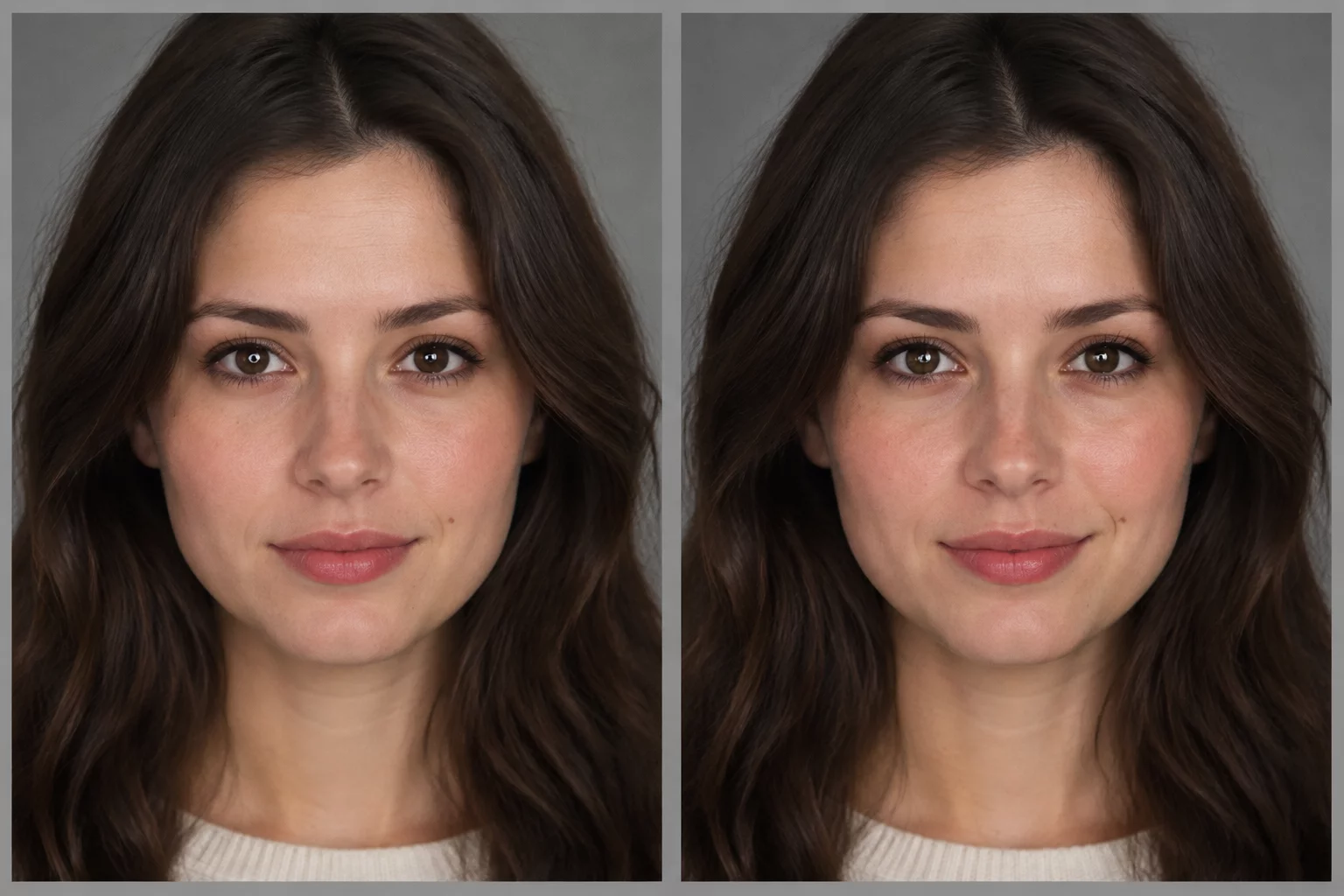
Micro-Blink Versus Intentional Downward Gaze
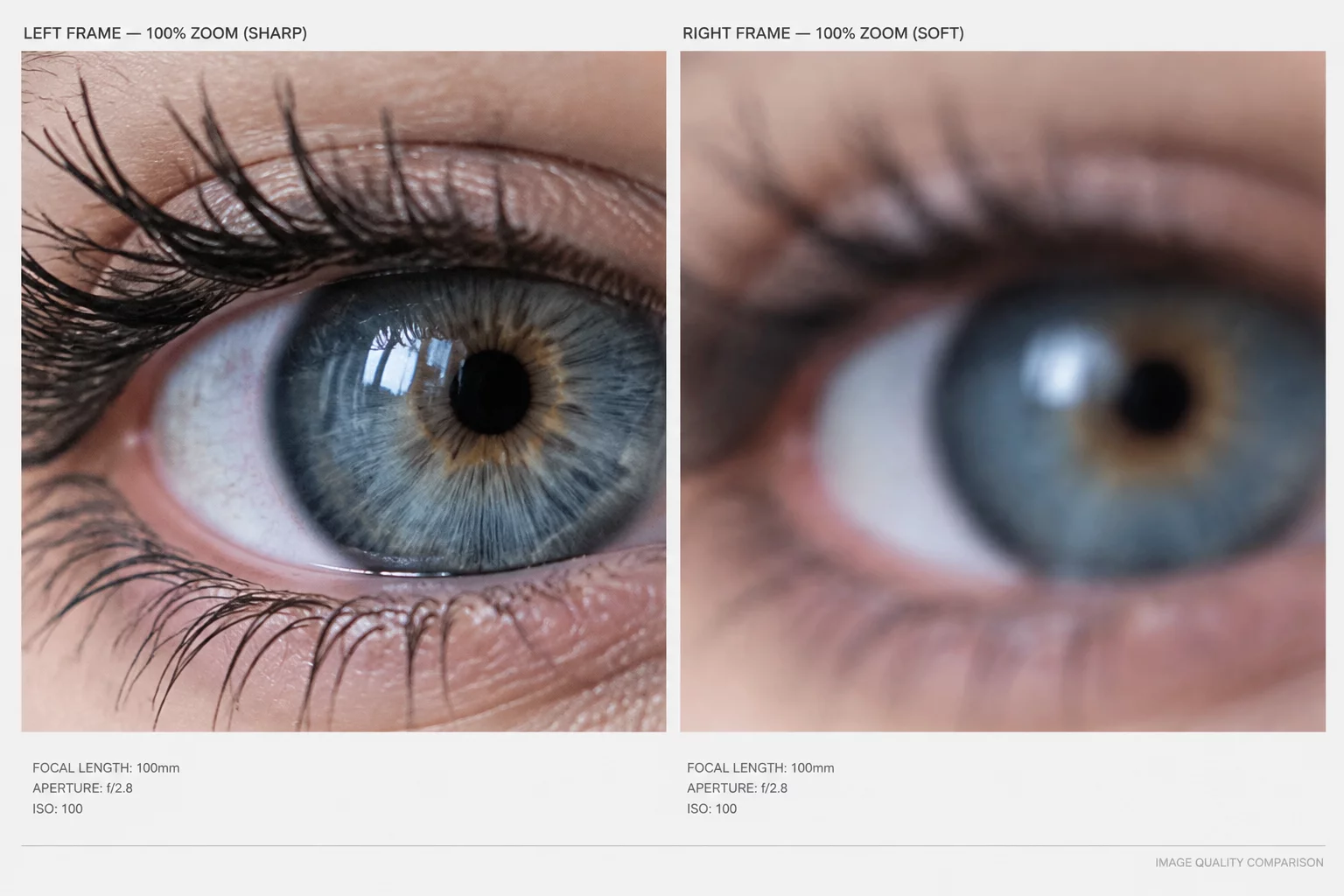
Hand Placement Micro-Adjustments in Editorial

High-Speed Shutter Cadence in Event Work

No field notes recorded yet. This could be your first comment.