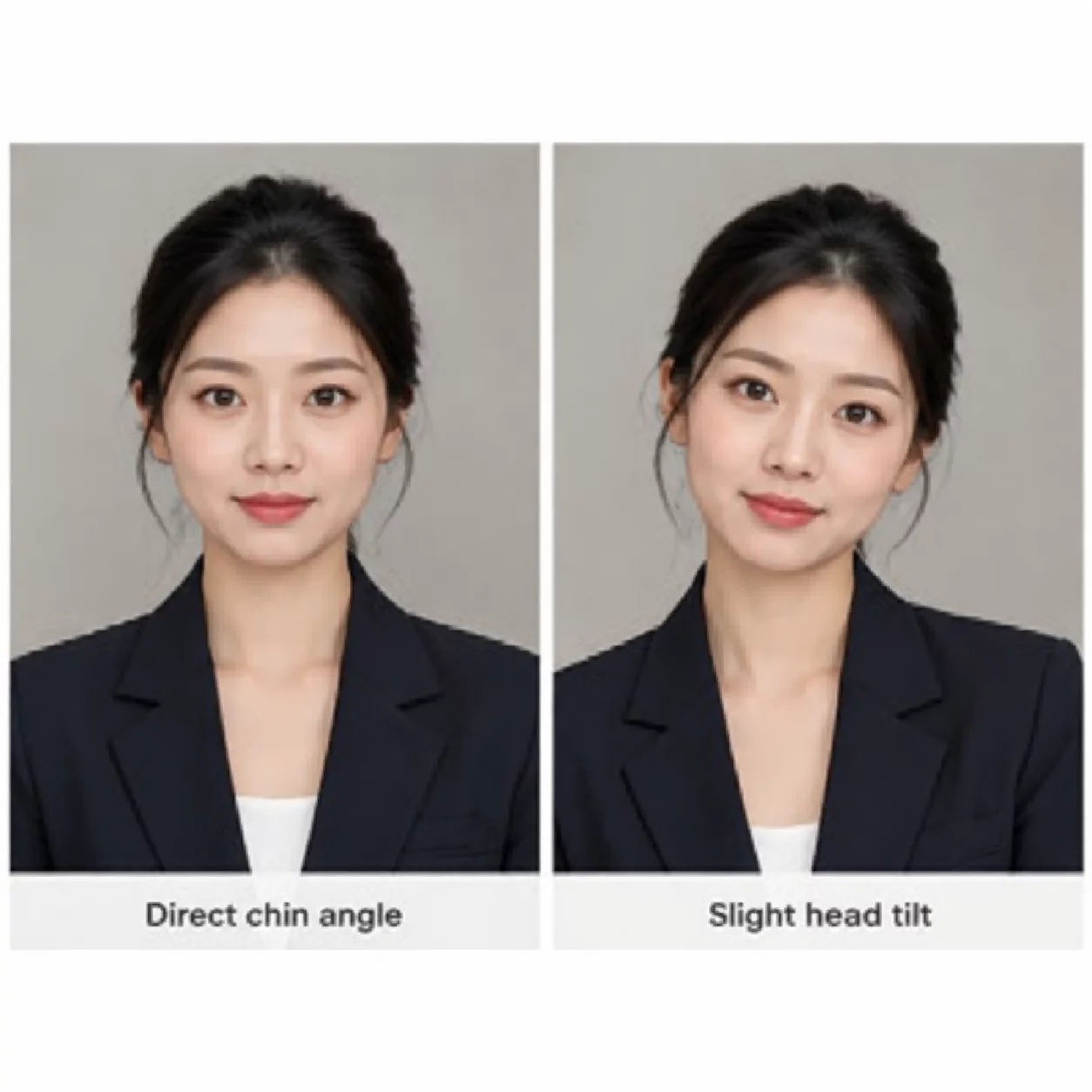
In corporate portraiture, the boundary between an authoritative executive presence and an overly submissive expression frequently hinges on an angular lateral roll under four degrees. Evaluating paired studio frames in Capture One reveals how lighting grids amplify minor cranial shifts: a subtle tilt towards the higher shoulder softens severe bilateral symmetry, establishing approachable leadership without compromising boardroom gravitas.
Exceeding a 4.5-degree displacement shifts the visual register toward informal editorial styling, which frequently violates strict annual report guidelines. Photo editors must isolate intentional jawline stabilization from unintentional neck slouching during the initial triage pass, flagging frames where neck sinew stretches or chin elevation distorts facial proportions.
Technical Tilt & Alignment Benchmarks
- Lateral Roll Tolerance
- 1.5° to 3.5° optimal variance from the central vertical axis
- Chin Pitch Axis
- Level to -1.0° downward; positive elevation reveals nostril aperture
- Shoulder Line Counter-Balance
- Opposite shoulder elevation stabilizes the diagonal ocular line
- Rejection Threshold
- Exceeding 4.5° tilt automatically flags frame as non-corporate
Executive sessions generate dozens of near-identical captures where the subject attempts minor micro-adjustments between shutter releases. Navigating these subtle deviations requires a structured culling pass centered on ocular horizontality and jawline definition rather than subjective initial impressions.
- Verify pupil catchlight continuity across both irises to confirm the ocular line remains dominant.
- Check sternocleidomastoid muscle tension on the tilt side to eliminate strained neck sinew.
- Confirm the chin remains level with the key light axis, preventing asymmetric jaw shadow falloff.
Once these physical checks pass, compare the candidate against the direct neutral anchor frame. If the tilt reduces ocular sharpness or introduces an uncomplimentary nose shadow across the cheek contour, immediately demote the frame to the secondary tier.
Executive governance reports, investor prospectus disclosures, and formal press releases favor straight-on neutral gaze alignment. For these institutional placements, any conspicuous head tilt can be interpreted as hesitation or diminished command. A strict zero-degree to 1-degree alignment preserves gravitas and reinforces corporate stability.
Conversely, partner bios, keynote speaker announcements, and internal communications benefit from an intentional 2.5-degree tilt. It softens corporate stiffness, suggesting collaborative empathy and active listening. Triage specialists must group these distinct variants into targeted shortlist collections tagged for their intended delivery channel.
Apply these selection questions in your workspace: Selection Passes and Variants in Capture One.
Explore Full Variant Matrix
Examine documented side-by-side selection workflows across portrait, event, and editorial shoots.
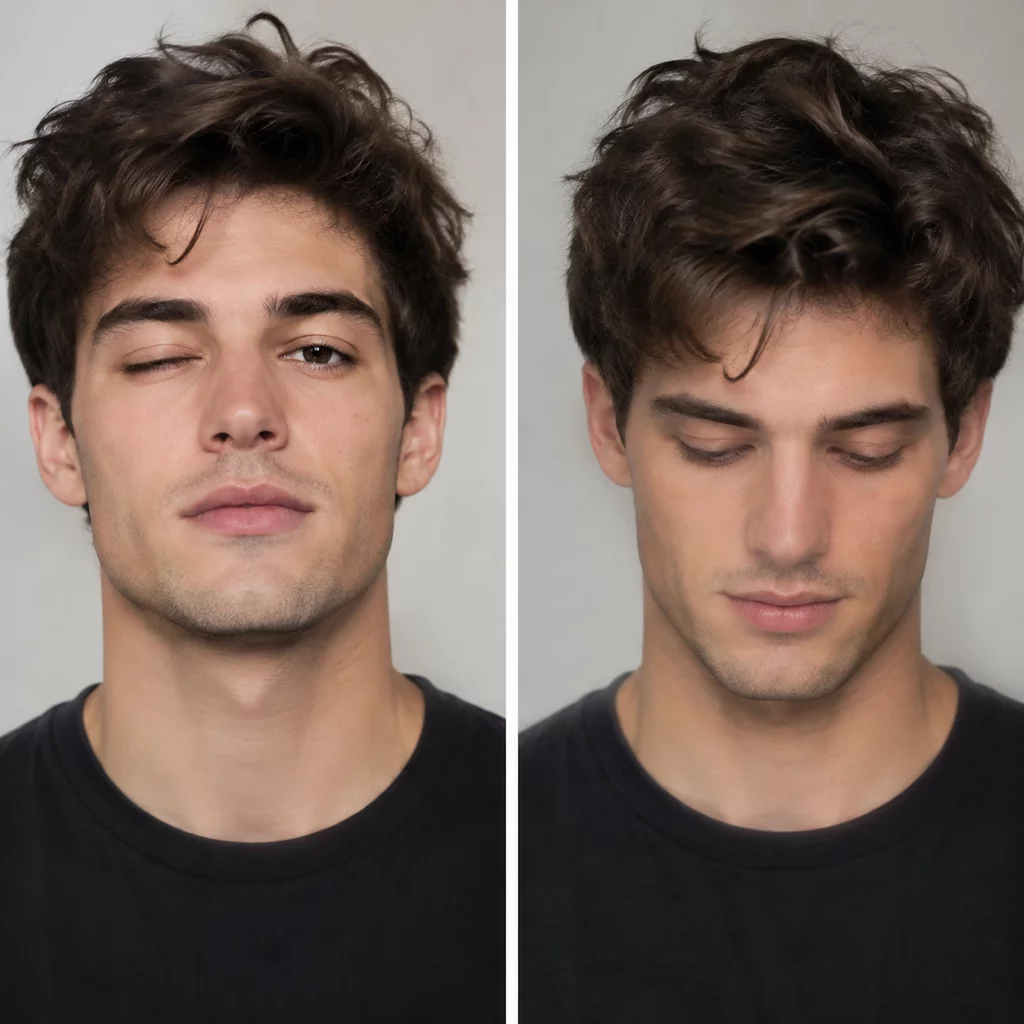
Micro-Blink Versus Intentional Downward Gaze
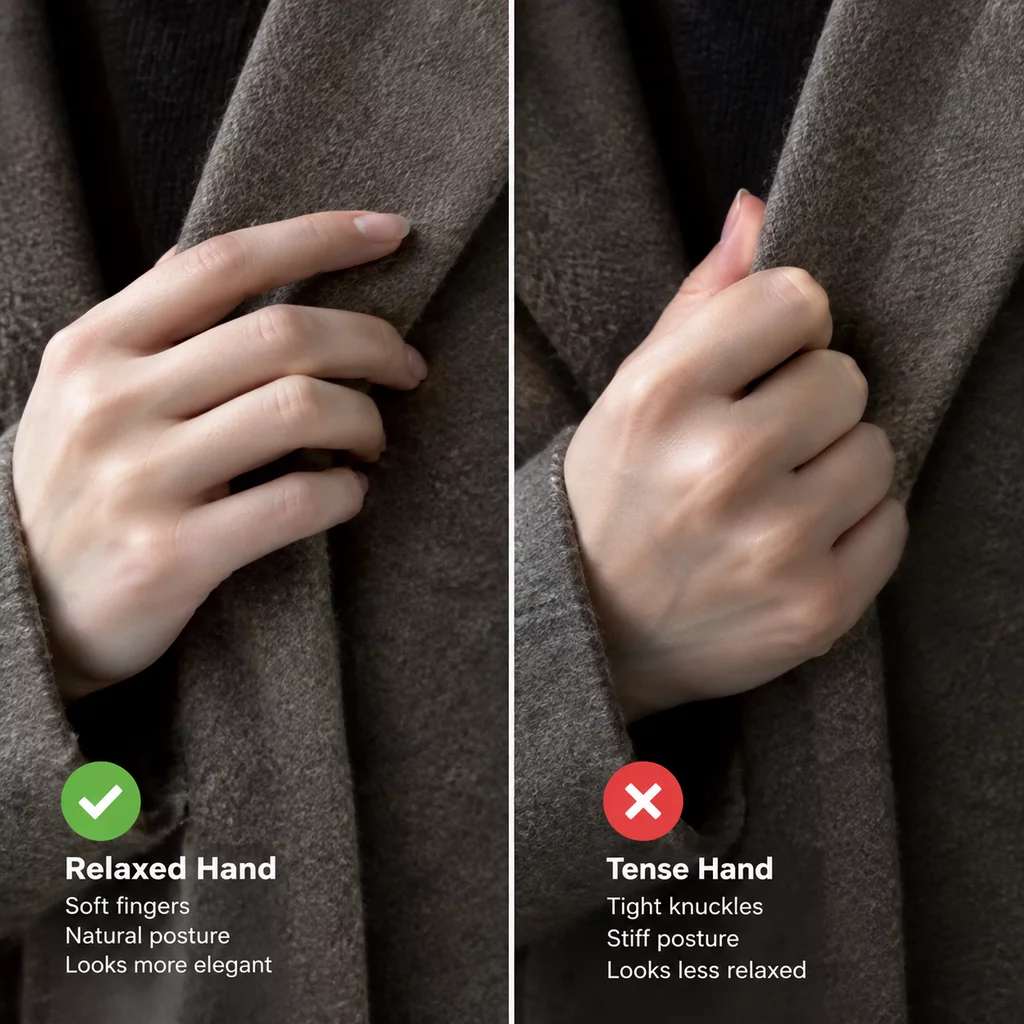
Hand Placement Micro-Adjustments in Editorial

High-Speed Shutter Cadence in Event Work

Elena Rostova
Lead CuratorDuring our financial executive headshot audit, standardizing the 3-degree lateral limit eliminated over 35 ambiguous variant debates. When subjects pitched their chin up past zero degrees, it consistently caused unflattering nostril prominence under overhead grids.